...

By Giulia Carbonaro
Senior Reporter
0
Share
Newsweek is a Trust Project member
See more of our trusted coverage when you search.Prefer Newsweek on Googleto see more of our trusted coverage when you search.
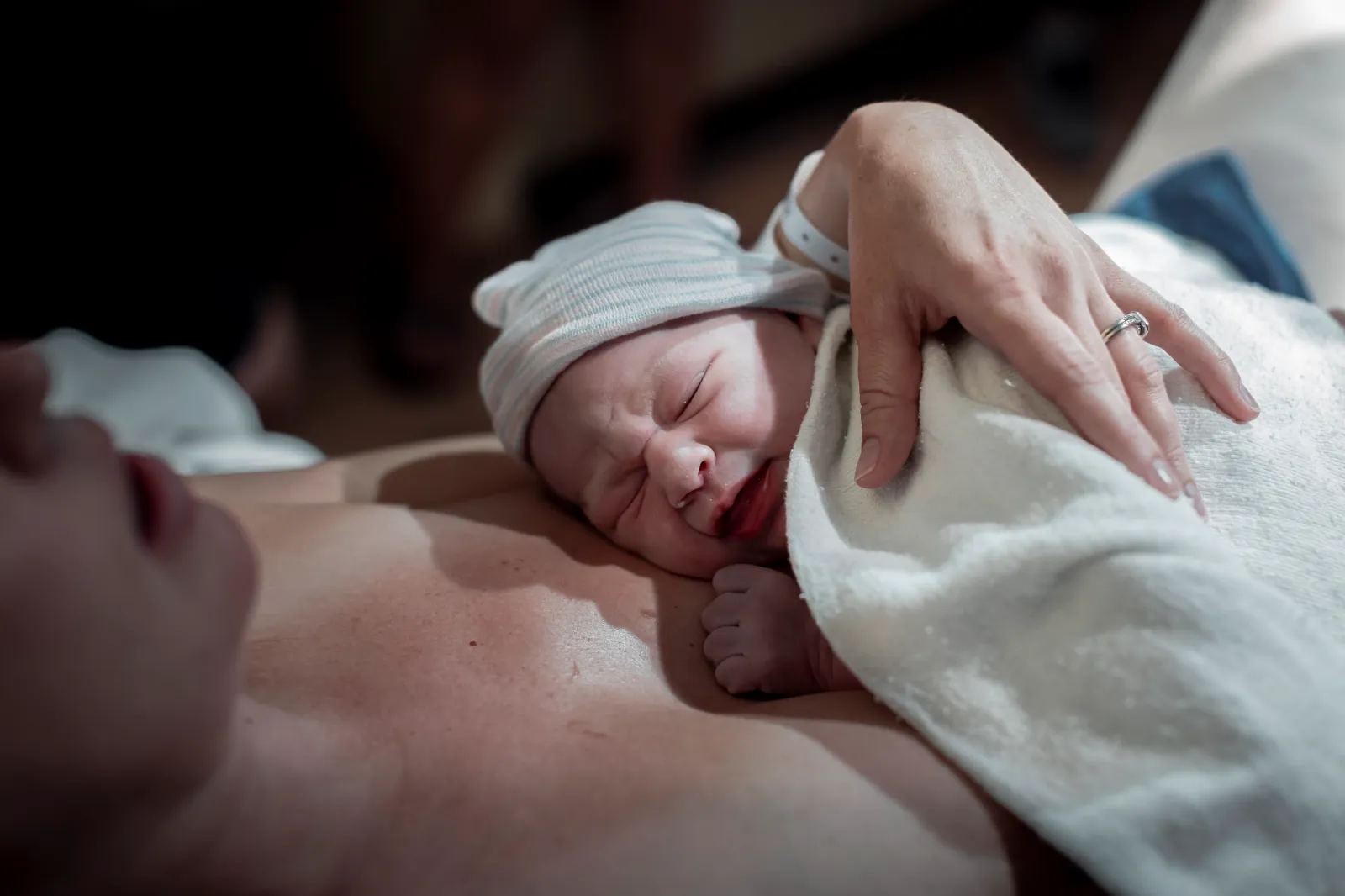
High housing costs will lead to fewer babies being born across the U.S. next year, according to predictions shared by real estate brokerage Redfin.
While the company expects affordability to improve slightly in 2026, due to income rising faster than home prices “for a prolonged period of time for the first time since the Great Recession era,” homebuying and homeownership will remain unaffordable for millions of Americans.
Several studies have found a connection between birth rates and housing, with experts raising the alarm over how high home prices might be affecting people’s decision to have children.
Read More on U.S.
“Different people have different ideas about what they need to have achieved before having children, whether that’s finishing their education, making a certain amount of money, or being married to their partner,” Leslie Root, a researcher at the University of Colorado Boulder studying fertility and population policy, told Newsweek in September.
“For many people, the list includes owning a home. This could be because of the uncertainty of renting, or because they feel they don’t have enough space for a child—either because they rent a small space, or because they still live with family, which is becoming increasingly common.”
...
Affordability Continues Hitting Young Families
Young generations have been struggling for years to get onto the property ladder, especially after the COVID-19 pandemic homebuying frenzy sent prices through the roof in most of the country.
In October, according to Redfin, the median sale price of a typical U.S. home was $439,869, up 1.3 percent from October 2024.
While home price growth has slowed significantly since the pandemic, buying a home remains much more expensive in most of the country than it was in 2019. In October 2019, the median sale price of the typical U.S. home was $313,200, according to Redfin.
Because of high home prices, historically elevated mortgage rates and other higher housing costs, including property taxes and homeowner insurance premiums, Gen Z and millennial homeownership rates flatlined last year.
Just 26.1 percent of Gen Zers owned a home in 2024, essentially flat from 2023 (26.3 percent) and 2022 (26.2 percent). Among millennials, 54.9 percent were homeowners last year, against 54.8 percent in 2023. Redfin expects this trend to continue in 2026.
Experts at the company also said that the improvement in affordability expected for next year—what its experts have dubbed ‘The Great Housing Reset’—will not be enough to get young families off the sidelines of the market.
“Gen Zers and young families will feel the pinch of still-high costs, with many of them opting for nontraditional living situations to afford housing,” Redfin experts wrote in the report.
For the aging U.S. population, this is bad news: the country’s fertility rate already dropped to an all-time low in 2024, according to data from the Centers for Disease Control and Prevention (CDC), with fewer than 1.6 children being born per woman.
For each generation to replace itself, the fertility rate should be about 2.1 children per woman.
Beyond the White Picket Fence
Young generations who feel cut off from the American Dream, symbolized by the almost-mythical home with the white picket fence, will continue finding alternative ways to reach homeownership, according to Redfin.
More adult children are likely to move in with their parents and vice versa, experts said, while some will move in with friends. While the share of young adults living with their parents is down from its pandemic peak, it remains historically high. Roughly 6 percent of Americans who struggled to afford housing as of mid-2025 moved in with their parents, Redfin said, and another 6 percent moved in with roommates.
“We expect those shares to increase next year,” experts wrote. “We also expect high homebuying costs to make families smaller. The fertility rate has been gradually declining for years, and it’s expected to continue falling.”
View 0 Comments
Submit Correction
View Editorial & AI Guidelines