...

By Aliss Higham
Reporter
0
Share
Newsweek is a Trust Project member
See more of our trusted coverage when you search.Prefer Newsweek on Googleto see more of our trusted coverage when you search.
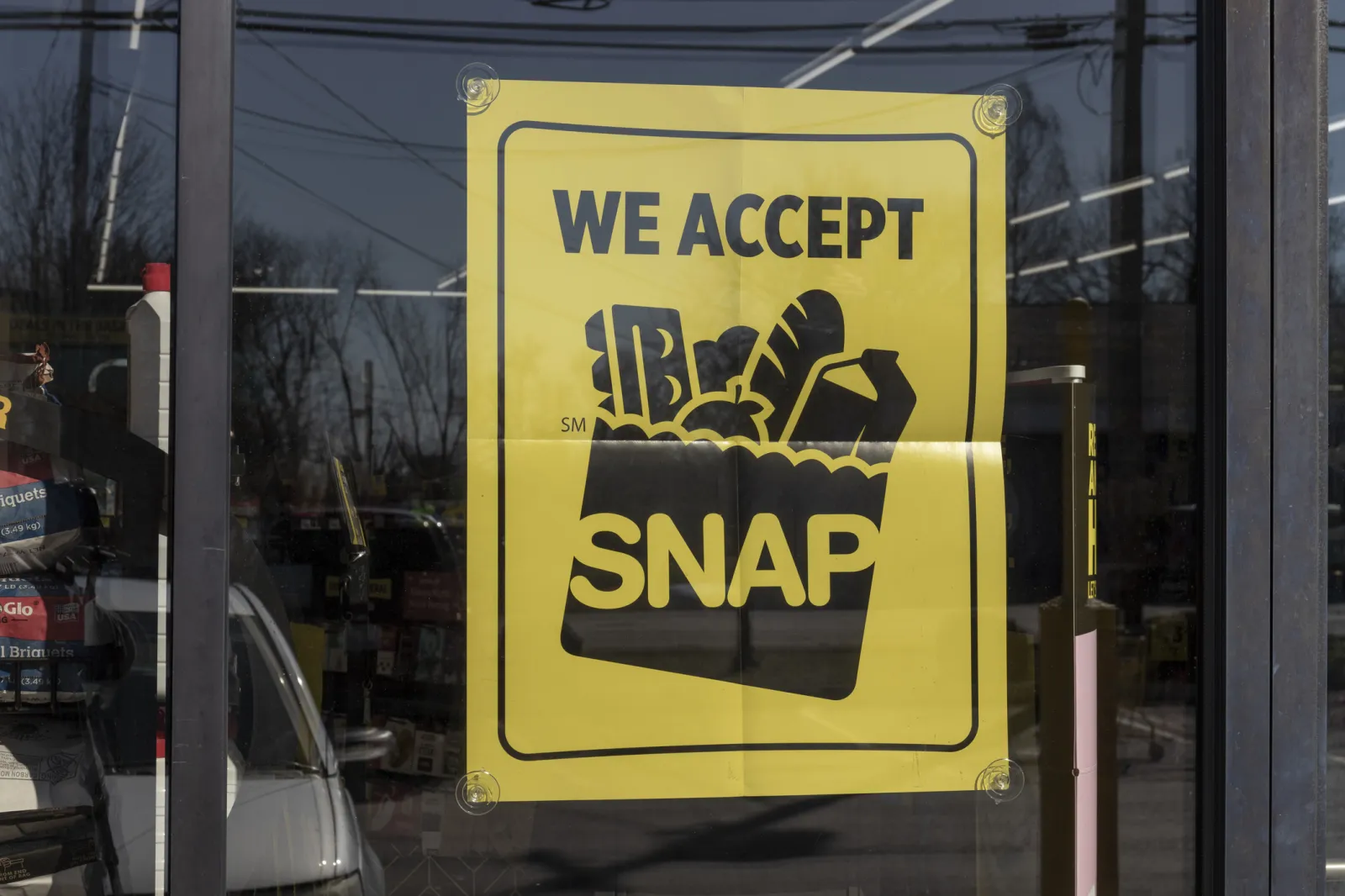
Nebraska became the first state in the United States to secure a federal waiver prohibiting the purchase of soda and energy drinks with Supplemental Nutrition Assistance Program (SNAP) benefits, state and federal officials announced on Monday.
The change, set to take effect on January 1, 2026, impacts approximately 152,000 Nebraskans receiving SNAP, previously known as food stamps.
U.S. Secretary of Agriculture Brooke Rollins signed the first-ever waiver amending the definition of "food" for SNAP purchases in Nebraska, officially barring soda and energy drinks from being bought with program benefits.
Read More on News
Why It Matters
SNAP benefits, also known as "food stamps," are paid to low- and no-income households across the U.S. that would otherwise struggle to afford groceries. In 2024, the program reached some 155,000 people in Nebraska—8 percent of its population.
The decision marks a historic departure in SNAP administration. Several other states, all Republican-led, have submitted similar waivers.
What To Know
On Monday, Rollins approved Nebraska's request to exclude soda and energy drinks from eligible SNAP purchases, making it the first state to receive such a federal waiver in the history of the program. Officials said the new policy would be implemented through a two-year pilot program starting January 1, 2026.
The approved waiver amends the definition of allowable foods under SNAP in the Cornhusker state, adding soda and energy drinks to the list of restricted items, which previously included alcohol, tobacco, hot foods, and personal care products.
...
Soft drinks were the largest expenditure in SNAP households, accounting for around 5.4 percent of spending, according to a 2016 study by the U.S. Department of Agriculture. No newer federal data has been published for this metric.
Policy attempts to restrict purchasing food items deemed unhealthy through SNAP have been discussed for decades in Congress and state legislatures. Proposed bans on products such as soda, chips, ice cream, and "luxury meats" have usually been rejected by the USDA, citing difficulties in defining categories and concerns about administration and impact.
Nebraska's move occurs alongside similar waiver requests by Arkansas, Idaho, Indiana, and Iowa to either restrict foods or expand eligible products. Some of these states are seeking waivers that go beyond what Nebraska has requested, to include a ban on purchasing candy and unhealthy snacks using SNAP payments.
What People Are Saying
Brooke L. Rollins, U.S. Secretary of agriculture, said in a statement on Monday: "Today's waiver to remove soda and energy drinks from SNAP is the first of its kind, and it is a historic step to Make America Healthy Again. Under President Trump's leadership, I have encouraged states to serve as the 'laboratories of innovation.' Nebraska Governor Jim Pillen and Governors in Iowa, Arkansas, Indiana, Kansas, West Virginia, and Colorado are pioneers in improving the health of our nation."
Jim Pillen, governor of Nebraska, said on Monday: "There's absolutely zero reason for taxpayers to be subsidizing purchases of soda and energy drinks. SNAP is about helping families in need get healthy food into their diets, but there's nothing nutritious about the junk we're removing with today's waiver."
Gina Plata-Nino, deputy director at the Food Research & Action Center, told the Associated Press on Monday: "Incentive-based approaches—not punitive restrictions—are the most effective, dignified path to improving nutrition and reducing hunger."
Valerie Imbruce, the director of the Center for Environment and Society at Washington College, previously told Newsweek: "Controlling how the poor eat is a paternalistic response to a problem that is not based in SNAP recipients' inability to make good decisions about healthy foods, it is a problem of the price differential in choosing healthy or junk foods."
What Happens Next
The restriction will be piloted for two years, with results tracked by the Nebraska Department of Health and Human Services. Pillen said success would be measured through multiple data points and feedback from families and health professionals.
Other states' pending waiver requests may hinge on the evaluation and outcomes of Nebraska's pilot program.
View 0 Comments
Submit Correction
View Editorial & AI Guidelines