10
Loading video...


By Lucy Notarantonio and Jessica Wings
0
Share
Newsweek is a Trust Project member
See more of our trusted coverage when you search.Prefer Newsweek on Googleto see more of our trusted coverage when you search.
"You have a very high pain tolerance. You must have been suffering quite badly."
Those were the words a specialist said to me when I was 35 years old.
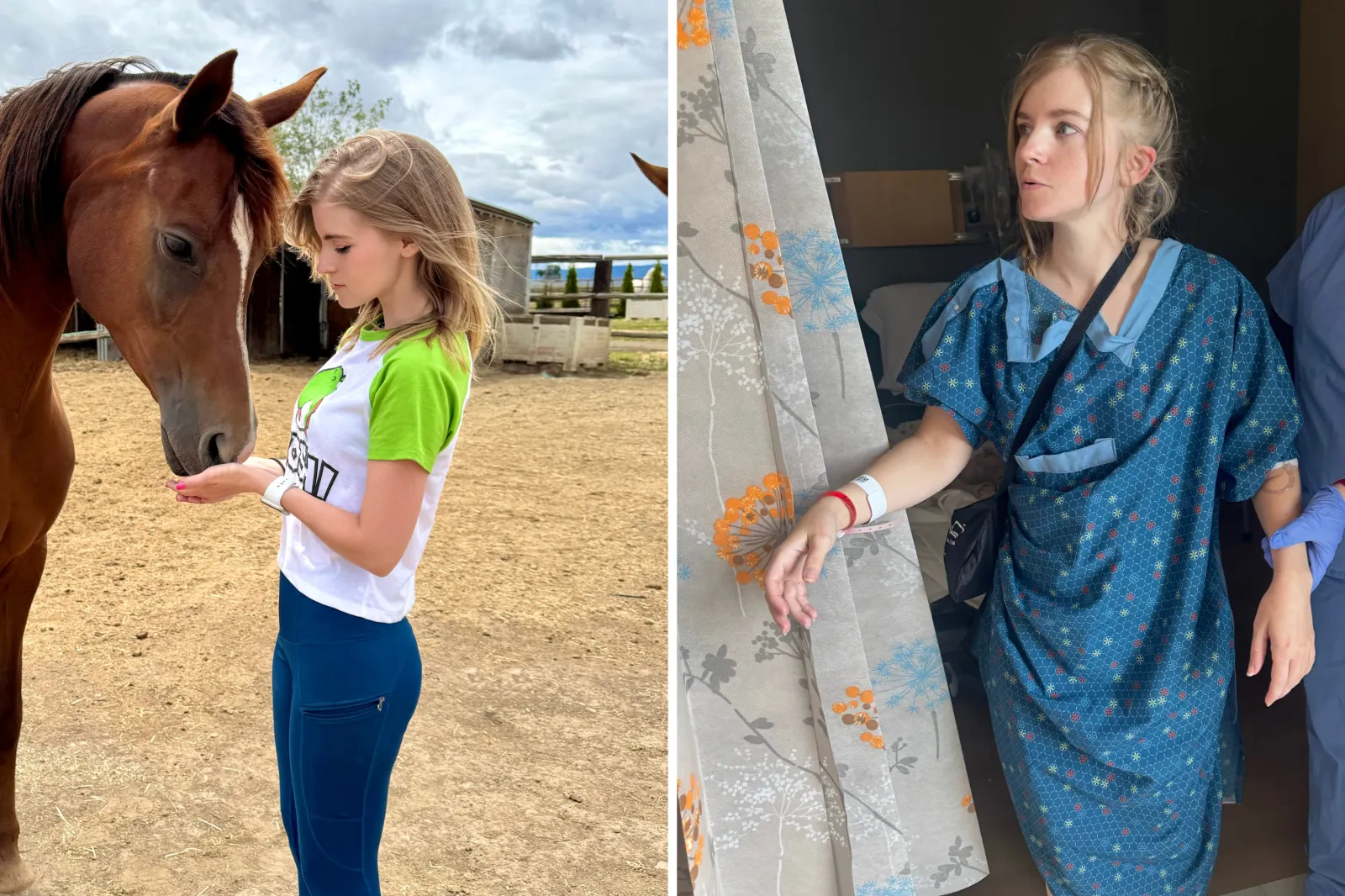
After two decades of being told my pain was anxiety, that I was overreacting or that nothing was wrong, it was the first time a doctor had truly validated what I had been living through since I was 14.
Read More on My Turn
...
I remember lying on the floor, writhing, sweating and heaving. I thought I must be dying.
By the time my mom got home from work, the pain had subsided. A month later, I got my first period.
It was the most excruciating, crushing pain in the middle of my pelvis, and it would radiate to my back and thighs. It was so bad that I couldn't function at all. It sometimes caused me to have vasovagal episodes, a sudden drop in heart rate and blood pressure that causes a brief loss of consciousness.
I remember many times being drenched in sweat after blacking out and heaving, thinking, I don't know if it's humanly possible for pain to get worse than this.
I've had kidney stones and a broken bone. I've been in a car accident and a horseback riding accident. None was as bad as my periods.
The next 20 years were filled with moments like that. The pain that came with my period caused me so much anxiety and fear that I developed agoraphobic tendencies because I worried a flare-up could leave me helpless and humiliated in public.
It affected my friendships because I often had to cancel plans. It affected my relationships, and I couldn't even hold onto an in-person job. I've been fired over being unable to work during my periods.
Over the years, doctors told me it was "just anxiety," advised me to take ibuprofen and said I had a low pain tolerance. They reassured me that I did not have endometriosis, a condition affecting over 6 million women in the United States.
It occurs when the kind of tissue that normally lines the uterus grows somewhere else. It can grow on the ovaries, behind the uterus, on the bowels or on the bladder.
The Painful Path to an Accurate Diagnosis
Two years ago, I had another "unremarkable" transvaginal ultrasound, meaning no significant abnormalities, signs of disease or major concerns were identified in the pelvic organs that were scanned.
The gynecologist who ordered the scan said she wasn't sure what was wrong but offered to perform a hysterectomy to end my periods anyway. She also said she would "burn off" any endometriosis she found.
But I felt wary. I had an unexplainable gut feeling that I was not on the right path. By that point, I had become suspicious of doctors because I felt all had failed me.
So, feeling hopeless and not knowing where to turn, I gave up searching for answers.
But the suffering didn't go away, and I became angry at the lack of help and care I'd received. I decided I needed to find doctors with more knowledge and experience in women's health.
...
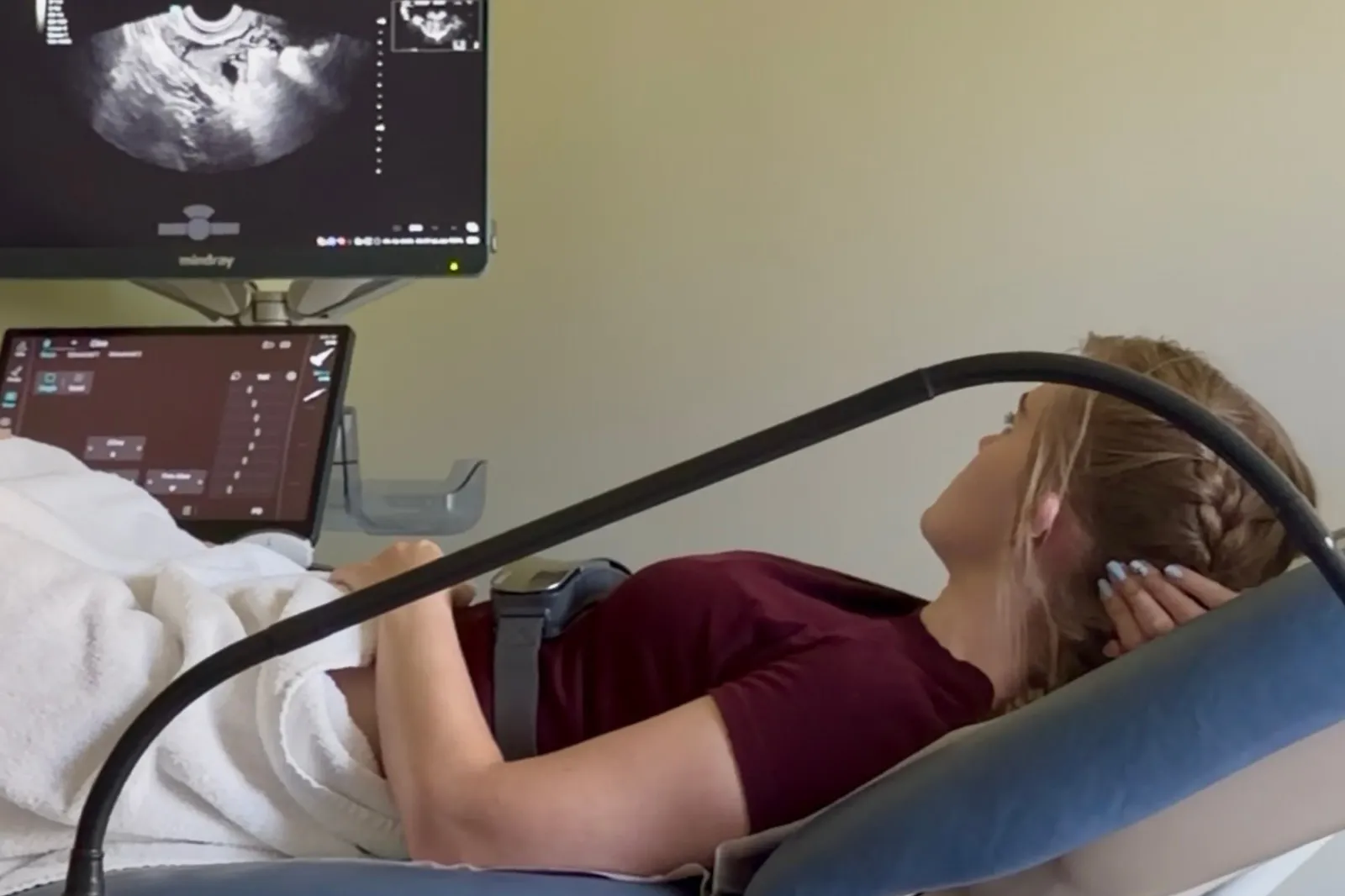
I began searching for the best endometriosis doctors and specialists I could find, and that's when I came across Pacific Endometriosis and Pelvic Surgery in Gig Harbor, Washington.
The doctor performed a dynamic transvaginal ultrasound. During the scan, she immediately saw that my uterus was enlarged, globular and showed the telltale signs of adenomyosis, a noncancerous condition in which the inner lining of the womb grows into its outer muscle wall.
I also had a kiwi-size uterine fibroid.
I was shocked. How had the previous gynecologist missed all this?
The doctor also suspected endometriosis because of a minimally mobile, possibly tethered ovary and tenderness in the areas where endometriosis is most commonly found. She couldn't actually see endometriosis on the scan, but that's typical. It often doesn't show up visually and is instead identified through the clues it leaves behind.
It was this doctor who told me that I had a high pain tolerance and must have been suffering badly.
I walked out of that appointment buzzing.
I was finally validated.
I was right.
I wasn't some wimpy woman overreacting to normal period cramps. I had been living for 20 years with two conditions known to cause some of the most severe chronic pain a person can experience.
For the first time, I had help. I had a way forward. And I finally had hope that I might not have to live like this forever.
...
'The Pain of Surgery Was Almost Laughable'
At my diagnosis appointment, the doctor explained that complete excision by a skilled endometriosis specialist can substantially reduce the risk of persistent disease, although no surgery can guarantee endometriosis will never return.
She explained that "ablation surgery is like burning off the top of a weed, leaving the root structure behind."
In other words, deeper disease can potentially be left behind, whereas excision surgery seeks to remove the lesion completely.
I'm glad I listened to that gut feeling about the previous doctor.
As for my adenomyosis, she explained that I had a couple of options: a presacral neurectomy, a procedure in which nerves carrying pain signals from the uterus are cut—although it is not guaranteed to work—or a hysterectomy, which is considered the definitive treatment for adenomyosis and likely to address a primary source of my pain.
I spent about a year thinking about my options. Given my age and my lack of interest in either continuing to suffer or having children of my own, I chose to have a hysterectomy and excision surgery.
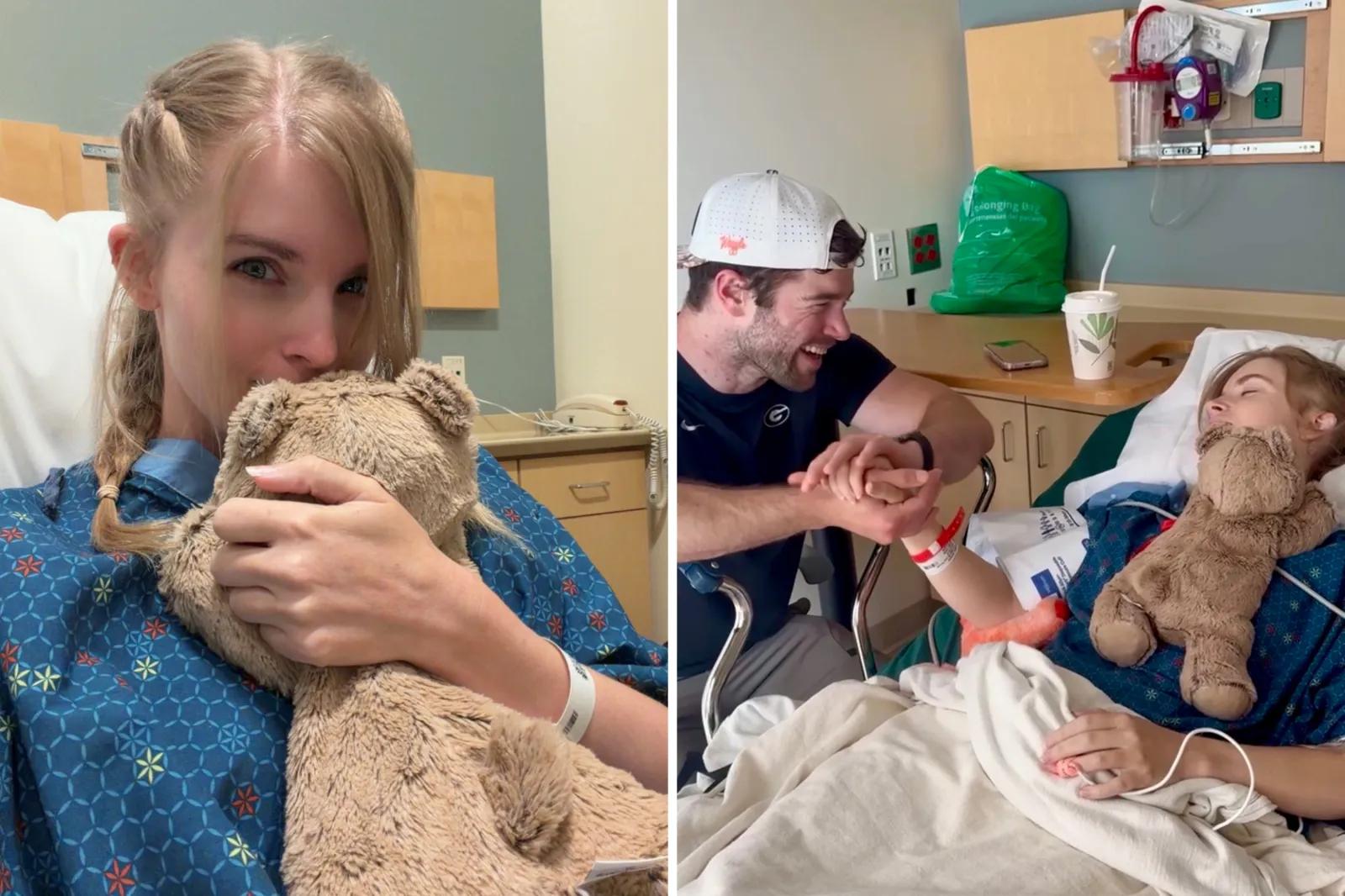
I had a good experience undergoing surgery in July.
The surgeons performed a total hysterectomy and excision of endometriosis, which I later learned was Stage 3.
The pain of surgery and recovery was almost laughable compared with the pain I experienced during my periods.
As of writing, I am nine weeks post-op and 99 percent pain-free.
My periods are gone, and with them my period pain.
I can leave the house and live my life without fear during my now "phantom periods."
I kept my ovaries, so I still cycle. The difference is that now those cycles mainly consist of chocolate cravings and wanting to watch my comfort movies.
After spending more than two decades being told my pain wasn't real, finally getting answers changed everything. It gave me validation, a diagnosis and a path forward. Most importantly, it gave me my life back.
For the first time since I was 14 years old, I can look ahead without fearing the next wave of pain and uncertainty. At 36, I can finally focus on living my life.
Jessica Wings is a full time content creator (@jessicawings) from Washington.
Contact Newsweek editors on this story: Sirena Bergman and Shakeema Edwards.
Update 09/16/26 12:38 a.m. ET: This story has been updated to clarify that Jessica currently experiences phantom period pains, rather than having experienced them in the past as previously stated.
View 0 Comments
Submit Correction
View Editorial & AI Guidelines