10
Loading video...

By Eileen Falkenberg-Hull
Senior Editor, Autos, Travel and Lifestyle
0
Share
Newsweek is a Trust Project member
See more of our trusted coverage when you search.Prefer Newsweek on Googleto see more of our trusted coverage when you search.
For years, booking a trip has meant thinking like a database: dates, budget, star rating, distance from the beach. Tick the boxes, sort the results, hope the photographs are honest.
Davide Bertolino tried something different. With a few days spare at the end of an Italian trip last year, he opened ChatGPT and described the kind of trip he was in the mood for.
“I love Puglia, so I asked ChatGPT to suggest somewhere in the region that I hadn’t visited before and that would fit that mood,” he said.
Read More on AI
Normally, the traveler does the translating, turning a vague idea of the trip they want into the narrow set of fields a booking engine understands. Bertolino skipped that step and he wasn’t disappointed with the results.
“I use the same ChatGPT account a lot, including for work, so it already had quite a lot of context about what I like when I travel,” he said. “What surprised me was that the recommendation wasn’t based only on practical filters. I hadn’t simply asked for a destination, a four-star hotel, a pool and a certain price. I had described how I wanted to feel.”
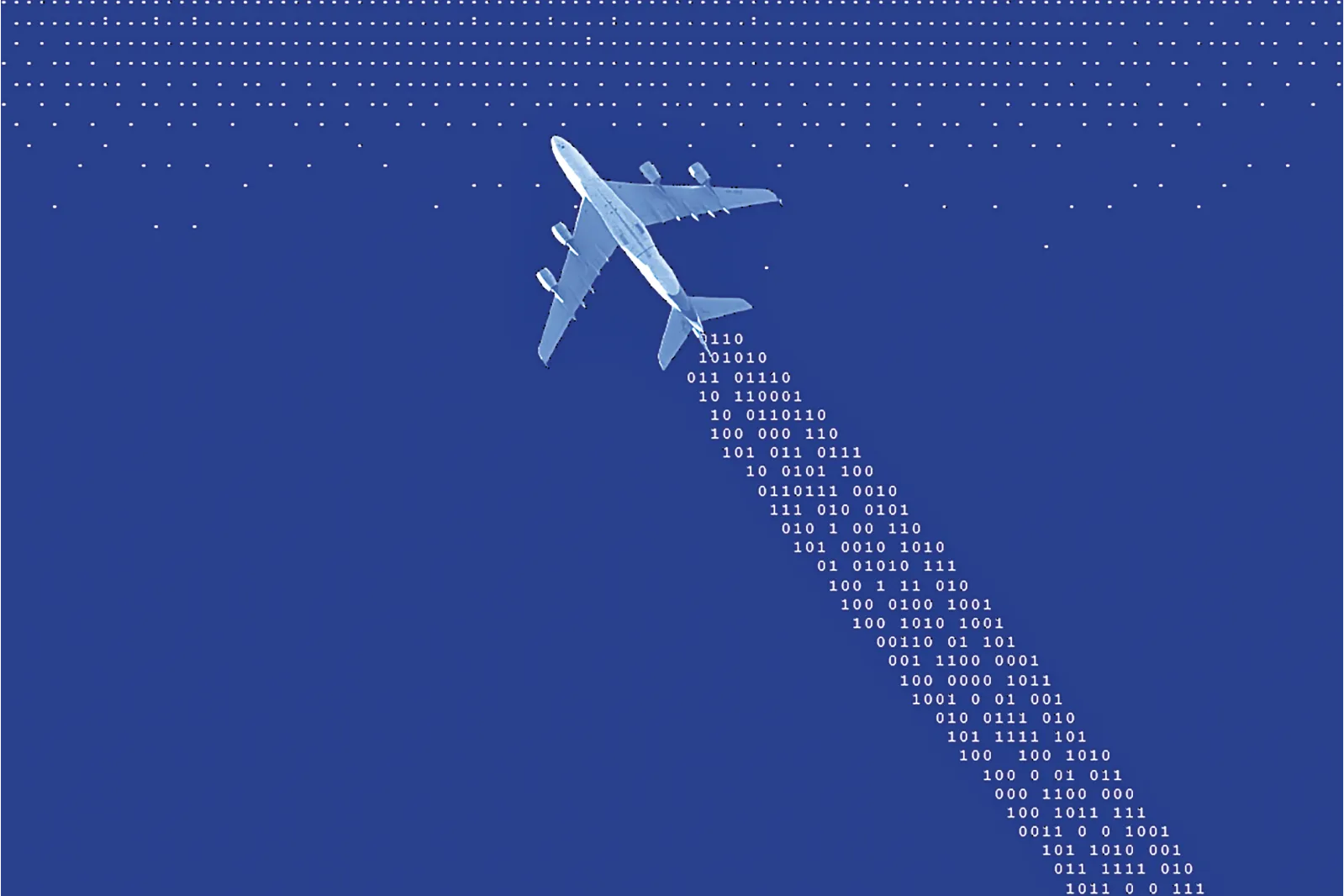
Newsweek
That is the direction of travel for AI: a technology that can read the vibe a traveler is chasing, not just the price, the dates and the star rating. Bertolino, who still uses conventional booking sites, sees the two as doing different jobs.
“That’s where AI feels different to me as a traveler,” he said. “Booking is still excellent when I want to browse, compare rooms, look at photographs and apply filters. AI can sometimes understand something much less measurable: the atmosphere and sensations I’m looking for.”
Now the industry is building for it.
“AI is already moving the experience away from forms, filters and rigid searches toward conversational commerce, where travelers can simply describe the outcome they want, the kind of trip they want to take, their budget or even how they’re feeling, and have AI help guide them toward the best options,” Andrew Jordan, chief technology officer at Travelport, told Newsweek.
Personal Journey
The integration of AI into travel represents a shift toward meeting travelers’ needs rather than simply delivering search engine-optimized results.
“The internet turned every traveler into their own travel agent. Agentic AI will finally give them one,” Ilan Twig, co-founder and CTO of Navan, said. “That shift is already underway.”
Ian Ackland, managing director for the Americas region at Booking.com, explained that the company uses AI to power features that summarize flight options, allow travelers to search in their own words and highlight key points from guest reviews.
But AI is also transforming travel behind the scenes, in ways most travelers never see—from shaping the vacations they consider to identifying problems and finding solutions at airports and during flights.
While AI may help, it isn’t able to deliver the first-hand knowledge that dedicated travel experts can provide, warns Joe Cronin, president of International Citizens Insurance.
“AI has made trip planning faster, but it hasn’t made travelers more prepared. Google Flights and AI trip planners are great at finding the cheapest fare or building a day-by-day itinerary. However, they consistently miss the risk element. They won’t tell a traveler that their credit card’s travel coverage excludes adventure sports, or that a ‘flexible’ fare still leaves them exposed if a hurricane cancels their whole trip,” Cronin said.
Frequent travelers have opted to use heavily integrated AI solutions to common travel burdens, as a companion to an airline app.
The Flighty app uses AI to help travelers prepare for their trips and understand what to expect while en route and after landing. Users can see departure and arrival gates, sometimes long before they appear on airport screens, and receive alerts about potential delays. The app uses AI to analyze flight timing based on the landing and takeoff times of the aircraft they are scheduled to fly on, sometimes hours before departure.
“Many flight delays stem from airport-wide issues, rather than flight-specific ones. AI can ingest all departures/arrivals data, official FAA communications and weather reports to summarize the current delay status of every airport globally, identify the main reason for delays and, importantly, estimate when conditions are expected to improve,” Ryan Jones, founder and CEO of Flighty, said.
Travelers aren’t the only ones using AI to optimize operations—airlines and airports are, too. “AI is already improving the airport experience behind the scenes, predicting queue build-up before it reaches security or boarding, identifying operational disruptions earlier, and helping airports make faster decisions in real time,” Nathalie Altwegg, senior vice president at SITA, which has operations at 1,000 airports in 200 countries, said.
Beyond the Algorithm
Ultimately, AI may change how travelers discover and book trips without changing the fundamental experiences themselves, but it will be up to users to see through hallucinations and use the technology to effectively meet their needs.
“AI can do much more of the heavy lifting around inspiration, discovery and putting a trip together, while the technology behind it provides the certainty needed to book and service it. Planes will still be planes and hotels will still be hotels, but the way people access and book those experiences is going to change dramatically,” Jordan said.
Still, AI should enhance human expertise, not replace it. Reviews and firsthand experiences remain essential in an increasingly AI-driven travel ecosystem, experts say.
“Accuracy is the infrastructure that allows travelers to stop thinking about logistics and start experiencing and feeling a place. When AI invents an opening time, recommends somewhere that no longer exists or creates an impossible journey, it can absolutely disrupt that experience. That is why factual information needs trusted sources, verification and human oversight,” Ana Karina Araque, CEO and founder of Imagine Experiences, shared.
Which is what Bertolino found in Puglia. The algorithm read the mood; the trip itself was his.
“AI can optimize an itinerary,” Araque said. “Only humans create memories.”
View 0 Comments
Submit Correction
View Editorial & AI Guidelines