...

By Lauren Giella
Senior Reporter
0
Share
Newsweek is a Trust Project member
See more of our trusted coverage when you search.Prefer Newsweek on Googleto see more of our trusted coverage when you search.
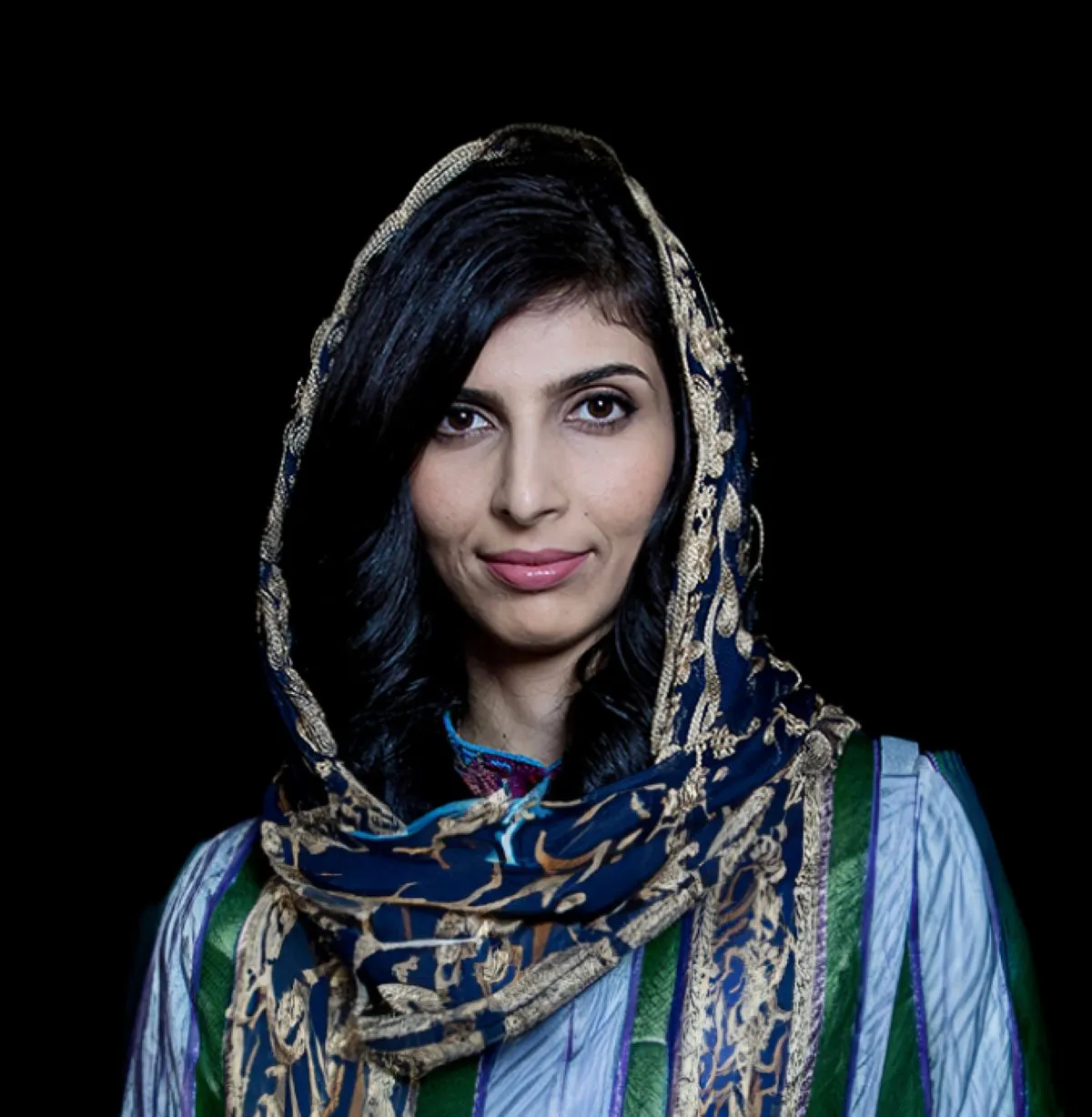
When the Taliban first came to power in 1996, Roya Mahboob remembers being a little girl dreaming of going to school. But she also remembers having her books and television confiscated and set ablaze outside her home. She felt helpless.
Back then, physical books were the only tools for knowledge. But now, girls in Afghanistan living under the same oppressive rule have more access to learning through technology.
"Technology opened a window to the world when I was growing up in Afghanistan [and] didn't have many opportunities," she told Newsweek recently. "When I was introduced to this magic box that people called a computer at the time, it's changed everything for me."
Read More on News
Mahboob is an Afghan entrepreneur, technologist and education advocate who co-founded the Digital Citizen Fund, a nonprofit organization that aims to increase access to technology, STEAM education and digital and financial literacy for girls and women in developing countries.
She believes that education and technology can expand what is possible for young people, especially young girls who are excluded from the opportunity to learn in conflict areas like Afghanistan.
...
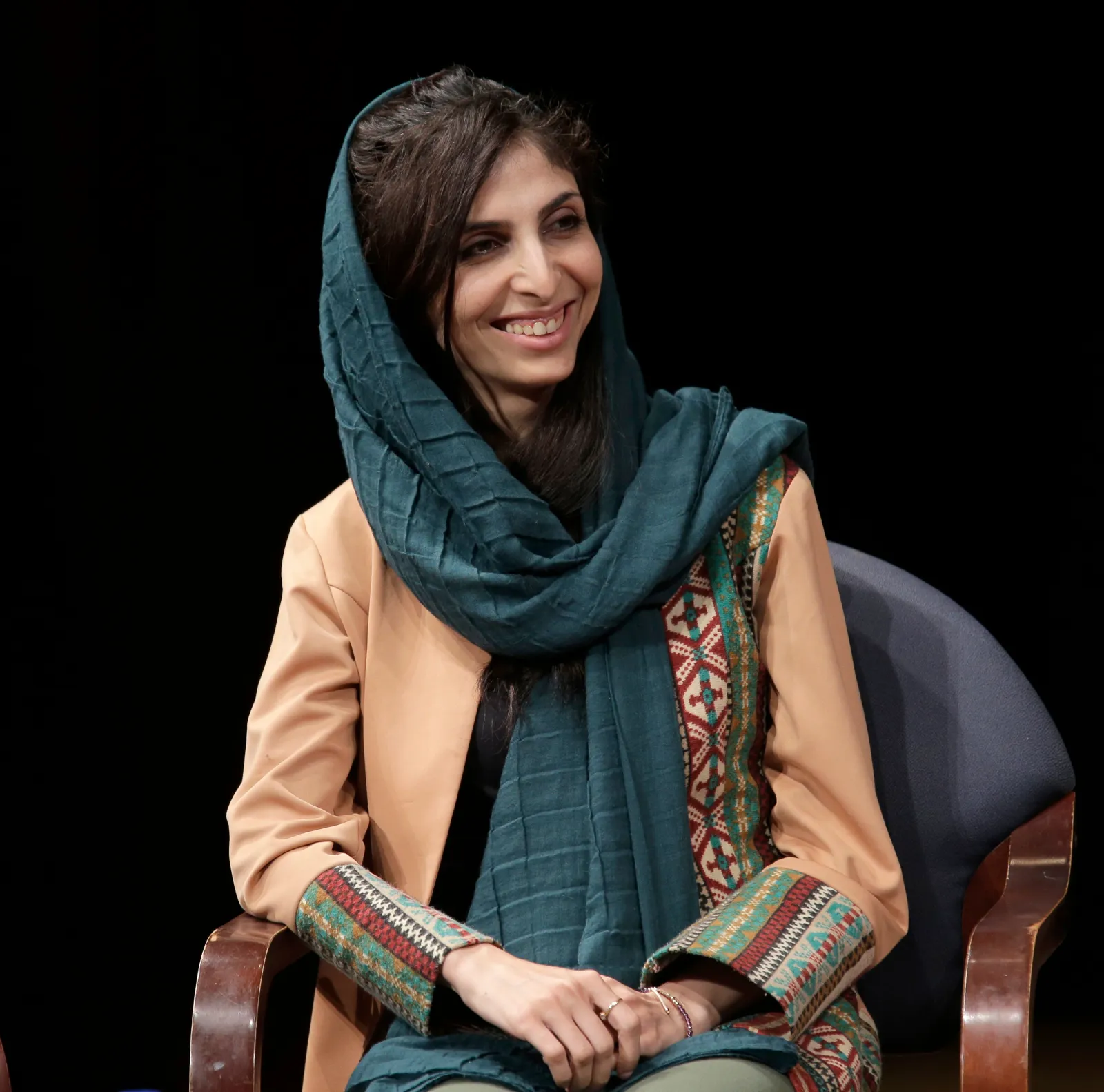
From libraries to internet cafes to personal computers in our pockets, the ways we access information have grown exponentially since Mahboob was young. Giving other Afghan women the tools to learn how to market and communicate through social media can be essential for helping launch and grow their careers.
"I was fascinated with technology, but I knew that there are millions of girls who are like me," she said. "I wanted to open the same door that opened many opportunities for me [to] become an entrepreneur, working at the university and building my business."
Mahboob was named one of TIME's 100 Most Influential People in 2013 and helped launch the Afghan Dreamers, a female robotics team, in 2017. The team later became the subject of the documentary Afghan Dreamers and the 2025 feature film Rule Breakers.
Today, Mahboob is focused on increasing education access through an AI-enabled platform for girls living in areas where they cannot access traditional schools. The Afghan Dreamers Academy is a free education platform that combines live and recorded lessons, AI tutoring in several languages, mentoring, digital libraries and other offline learning options.
Students in wealthy school districts in developed countries take for granted that their education is guaranteed and comes with a Chromebook loaded up with the best programs and the fastest Wi-Fi. The idea of digital literacy is embedded in growing up. But in Afghanistan, Mahboob said learning how to use tools like a computer or smartphone must be taught and can have a profound impact on people's lives.
It’s been five years since the U.S. withdrew from its nearly twenty-year war in Afghanistan, leaving the Taliban to reclaim control. Since 2021, the Taliban has issued more than 100 decrees that strip women and girls of their rights and institutionalize discrimination against them. According to a 2026 report from UN Women, nearly two-thirds of women say their lives have turned out worse than they expected before the Taliban’s takeover.
Afghan women are increasingly absent from public life. Girls are banned from continuing their education beyond sixth grade, the rate of forced and child marriage remains high and husbands have been given legal authority over their wives, making it harder for women to leave marriages while preserving men’s unilateral right to divorce. Only seven percent of women are employed, compared to 84 percent of men, and even organizations aimed at helping women and girls are at risk. The UN estimates that more than half of women-led organizations in the country are expected to suspend operations or close within the next year.
"It's one of the most difficult periods in recent history for Afghan women and girls," Mahboob said. "More than 2.4 million girls in Afghanistan have been denied access to secondary and higher education. And not only that, the leaders of the Taliban continue to create more rules. Many of the women have lost the opportunities to work, to lead and participate fully in society, and unfortunately, in many parts of Afghanistan, they also lost access to healthcare."
By the end of 2022, the team was supporting underground education centers and began thinking about what education can look like in the AI age.
The Afghan Dreamers Academy has more than 2,300 students enrolled in the platform working to get GEDs, preparing for tests and getting their high school diplomas—the latter being one of the biggest challenges that girls have, Mahboob said.
"I don't want people to think that Afghan women have disappeared; their talent hasn't disappeared, their desire to learn hasn't disappeared," she said. "The challenge is not a lack of potential, it's a lack of opportunity."

...
The curriculum is built with AI and in consultation with teachers and schools to ensure the content is appropriate and effective. Mahboob is adamant that technology is not replacing human instruction. Rather, it bridges the gaps that exist to provide opportunities for people living in remote, tumultuous areas around the world.
The girls in these programs are learning essential skills for personal and professional development that will lead to careers and income for them and their families. This includes coding, social media strategy and business and entrepreneurship training. They’re also building foundational skills, gaining confidence and expanding students' understanding of the world and their place in it.
"We've [been] very successful in some of our programs, specifically through our STEAM education and robotics, because it wasn't only one girl's life that had been changed, but also her family and entire communities' perception of how they look at women's ability in science and technology," she said.
The goal now, Mahboob said, is expansion. Limited access to schooling is not isolated to Afghanistan. UNESCO estimates that as of 2024, there are 273 million children and youth out of school due to poverty, displacement, conflict, lack of infrastructure or gender discrimination.
Digital Citizen Fund has already started programs in Pakistan, Turkey and South Africa and built a mobile app with the Human Rights Foundation and companies in Silicon Valley to deliver high-quality education globally.
"AI has changed one of humans' oldest challenges—access to knowledge—because throughout history, learning depended on where you lived, who could teach and what your family could afford," Mahboob said. "I think AI will allow us to imagine a world where expertise becomes much more accessible."
View 0 Comments
Submit Correction
View Editorial & AI Guidelines