...

By Amir Daftari
News Reporter
0
Share
Newsweek is a Trust Project member
See more of our trusted coverage when you search.Prefer Newsweek on Googleto see more of our trusted coverage when you search.
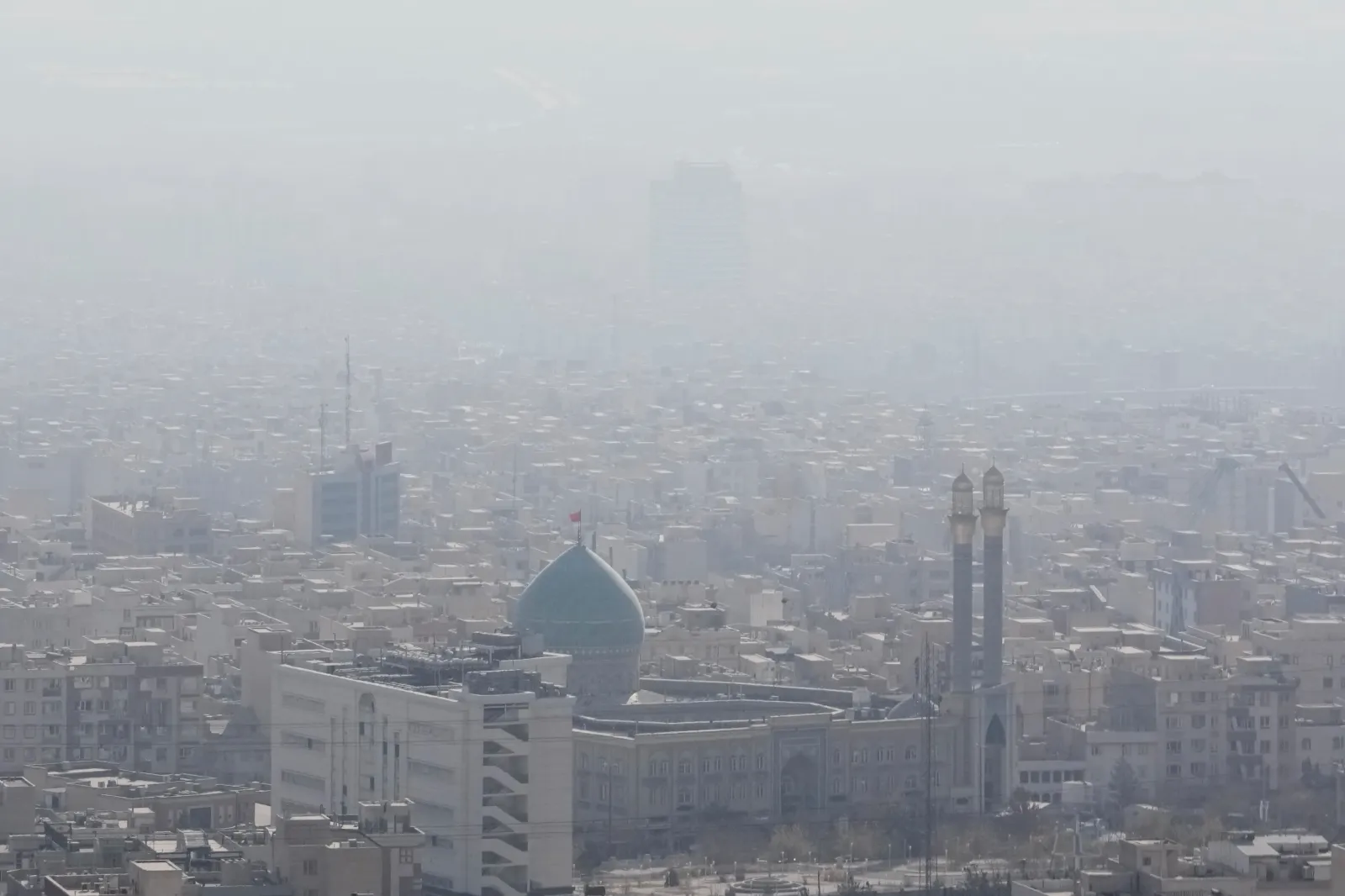
Tehran's rapidly worsening air pollution has reached life-threatening levels, prompting Iran's vice president to caution on Friday that the smog "will kill" as schools and universities across the capital were forced to close.
Education Ministry officials said the closures would continue if conditions did not improve, while the Tehran Air Quality Control Company reported that the city remained deep in the red zone, issuing health advisories for all residents. A recent report ranked Tehran as the world's most polluted city.
Newsweek has contacted Iran's Foreign Ministry for comment via email.
Read More on World
Why It Matters
Iran's air emergency is unfolding amid political upheaval, recurring civil unrest and a worsening national water crisis, creating a pressure point for a government already navigating widespread public dissatisfaction. The combination of dangerous smog levels and chronic water shortages has heightened domestic tensions, with environmental stress increasingly intersecting with political and economic grievances.
The crisis also carries regional implications, as pollution and water scarcity affect neighboring provinces and, at times, areas beyond Iran's borders. These cross-border environmental pressures add complexity to regional dynamics at a moment when internal instability is already elevated.
...
What To Know
Iranian Vice President Mohammad Jafar Ghaempanah delivered one of the sternest warnings yet regarding the pollution crisis, declaring, "If air pollution gets worse than this, it will kill."
His statement came as multiple cities recorded some of their highest air-quality readings this year, prompting closures, advisories and emergency measures. Officials stressed that his warning reflects the severity of the threat, with elevated particulate levels now posing direct risks even to otherwise healthy residents.
Meanwhile, the Ministry of Education said "television school" would replace online learning because the country lacked adequate internet infrastructure for online education.
Severe Pollution Across Tehran and Other Cities
Tehran's air quality index climbed to 200—unhealthy for all groups—triggering visibility reductions, transportation disruptions and citywide advisories urging residents to limit time outdoors. Those with respiratory, vascular or cardiac conditions were told to remain indoors, with authorities warning of potential hospital surges if conditions persist.
Other cities also faced hazardous conditions: Mashhad recorded an index of 160, categorized as unhealthy for all groups, while Isfahan's average reached 159, with several monitoring stations reporting elevated readings.
Why Tehran Is the Most Polluted City
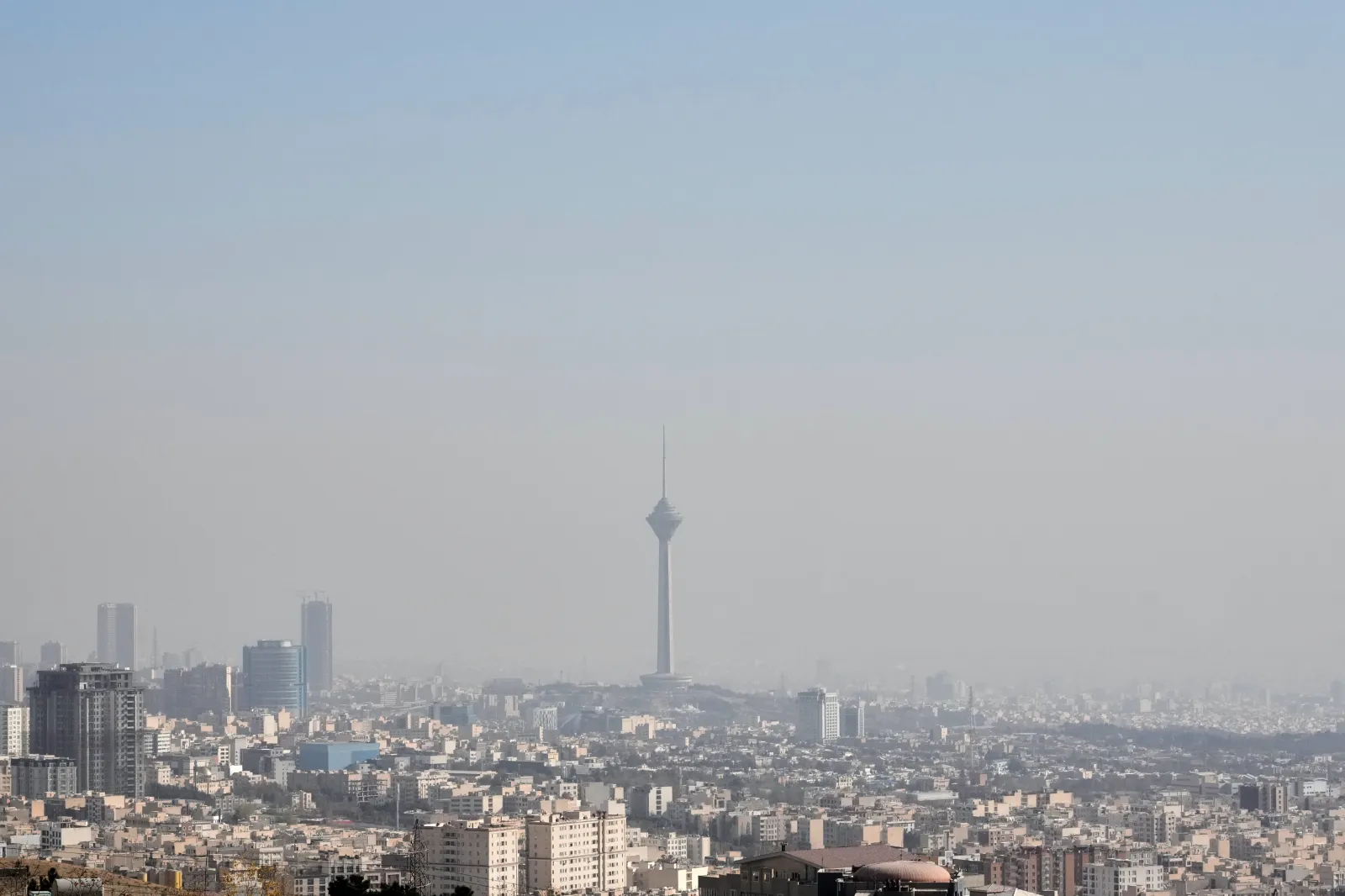
The severity of the crisis has left Tehran, home to more than 15 million residents, the world's most polluted city. Tehran now ranks ahead of Baghdad, Delhi and Kolkata—with air quality levels considered hazardous for all residents, driven by a combination of industrial emissions, heavy traffic and the inversion effect.
The city's location in a mountain valley traps polluted air close to the ground, worsening the already severe smog and making it difficult for pollutants to disperse.
...
Human and Economic Toll
Recently, Iran's Health Ministry estimated that almost 59,000 Iranians die each year from illnesses linked to poor air quality, including respiratory and cardiovascular diseases. The economic impact of these health crises exceeds $17 billion annually, a figure that surpasses the country's entire health budget and underscores the profound social and financial toll of the ongoing pollution crisis.
These numbers highlight the urgent need for sustained government action to address both environmental and public health challenges.
What Happens Next
Authorities in Tehran and across Iran are expected to continue monitoring air quality closely, with potential extensions of school closures, public advisories and emergency measures if pollution levels persist. Beyond immediate responses, the crisis highlights the urgent need for long-term environmental and infrastructure reforms, including measures to reduce emissions, improve public transportation and address urban planning challenges.
How the government balances public health, economic pressures and regional environmental concerns in the coming months will likely determine whether Tehran can begin to mitigate its status as one of the world's most polluted cities.
View 0 Comments
Submit Correction
View Editorial & AI Guidelines