
...

By Amanda Greenwood
Associate News Editor
0
Share
Newsweek is a Trust Project member
See more of our trusted coverage when you search.Prefer Newsweek on Googleto see more of our trusted coverage when you search.
Two separate product recalls tied to potential salmonella contamination have been issued in recent days, affecting beverage mixes and dietary supplements sold through Amazon.
Federal health officials warn the contamination risk could pose serious health concerns, particularly for children, older adults and people with weakened immune systems.
Two Separate Salmonella Recalls Announced

...
Read More on News
One recall involves dozens of cafe-style drink mixes by SKS Copack distributed across 25 states, while the second affects Mogo Moringa dietary supplements sold online through Amazon.
Both recalls were announced by the U.S. Food and Drug Administration after concerns over potential Salmonella contamination.
What Is Salmonella and Why Is It Dangerous?
Salmonella is a type of bacteria that causes salmonellosis, one of the most common forms of foodborne illness, according to the U.S. Centers for Disease Control and Prevention.
Symptoms typically include:
- Diarrhea
- Fever
- Stomach cramps
- Nausea and vomiting
Symptoms usually develop six hours to six days after exposure and can last up to a week.
While many people recover without treatment, infections can become severe. In rare cases, the bacteria can spread to the bloodstream and lead to serious complications such as arterial infections or endocarditis.
Who Is Most at Risk
Certain groups are more vulnerable to severe illness, including people with weakened immune systems, young children (especially under 5), and older adults.
Nationwide Recall Hits Beverage Mixes
SKS Copack, a California-based manufacturer, has recalled dozens of powdered drink mixes and specialty beverage bases sold under multiple brand names, including Angel Specialty Products, Royal Gold, Boba Time, Fanale, and Denda.
The recalled products include café-style drink ingredients such as matcha green tea powders, taro powders, milk tea mixes, cappuccino and latte powders, smoothie bases and flavored powders including coconut and horchata.
According to the FDA, the recall was triggered after a supplier identified Salmonella contamination in a nonfat dry milk ingredient used during production.
The products were distributed through cafes, restaurants and direct delivery across 25 states, including California, Texas, Florida, New York, Arizona and Washington.
How To Identify the Beverage Products
Consumers and businesses are advised to check lot codes printed on the back of packaging. Only products matching the listed codes are included in the recall.
Moringa Capsules Recall Linked to Salmonella
...
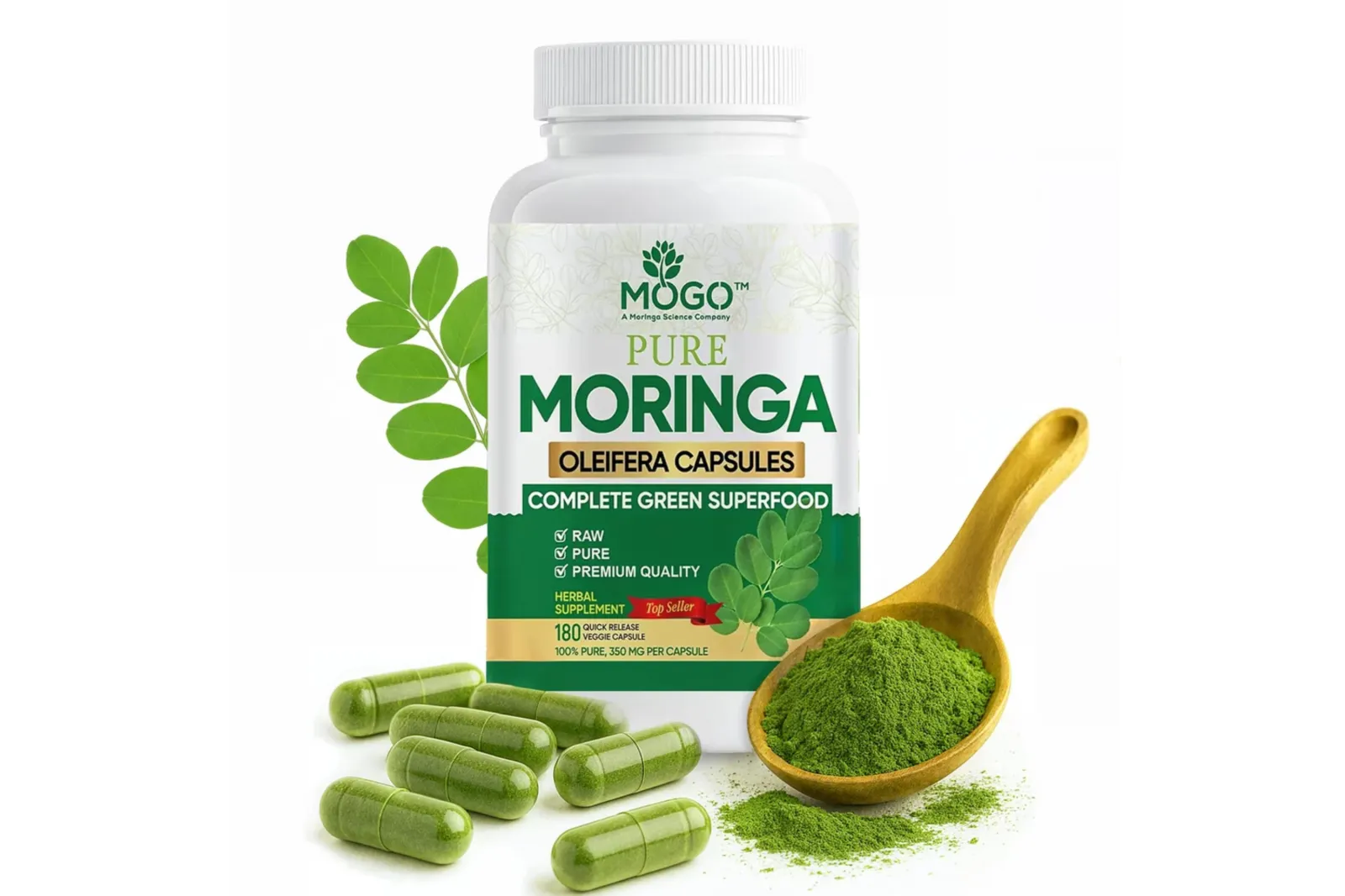
In a separate recall, Mogo Moringa has voluntarily recalled select lots of its Mogo Moringa Oleifera Capsules, which were sold via Amazon.
The recall applies to two lots:
- Lot 15525AA (exp. June 2027)
- Lot 00926AA (exp. January 2028)
The capsules come in white plastic bottles and were distributed through official online channels, including Amazon.
The company initiated the recall after discussions with the FDA regarding a potential contamination concern, even though third-party testing of retained samples did not detect Salmonella.
How To Identify the Moringa Capsules
The lot number and expiration date can be found on the bottom of the bottle. Only the two specified lots are affected.
What Consumers Should Do
Health officials stress that consumers should take immediate precautions if they believe they have purchased affected products:
- Check packaging details carefully, including lot numbers and expiration dates.
- Stop using any recalled product immediately.
- Seek medical attention if symptoms of foodborne illness develop.
For the beverage recall, customers can return the products to Amazon for a full refund. For the Mogo capsules, consumers are encouraged to use the company’s recall form or contact customer support for the next steps.
While no widespread illnesses have been officially confirmed in either recall at the time of the announcements, public health officials emphasize that early action is key to preventing potential infections, particularly as investigations continue into the source of contamination.
View 0 Comments
Submit Correction
View Editorial & AI Guidelines