...

By Suzanne Blake
Reporter
0
Share
Newsweek is a Trust Project member
See more of our trusted coverage when you search.Prefer Newsweek on Googleto see more of our trusted coverage when you search.
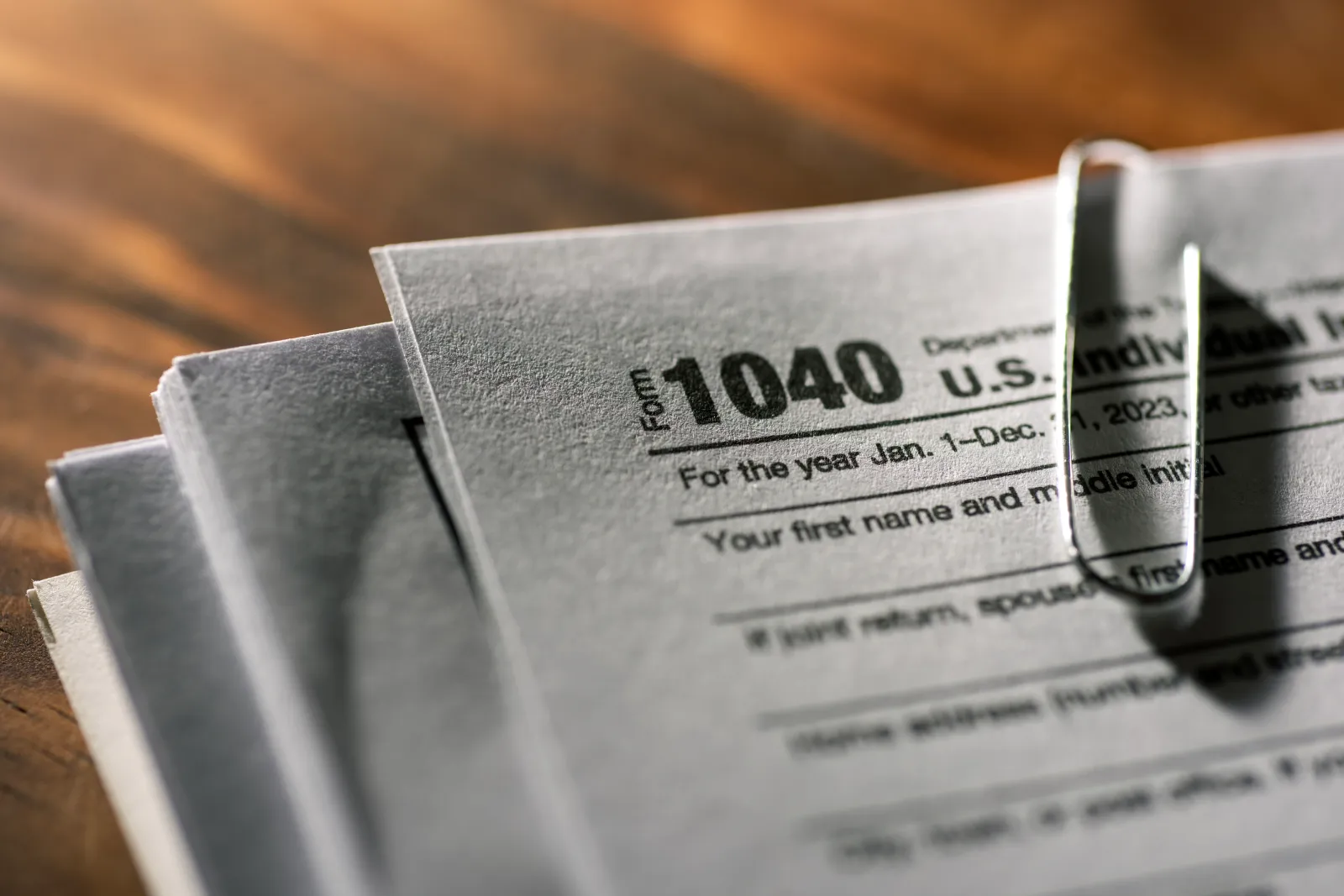
Many Americans will see larger tax refunds in 2026 as a result of President Donald Trump’s One Big Beautiful Bill Act (OBBBA).
Most of the benefits of the retroactive features will finally hit next year, according to a new report from Oxford Economics.
Why It Matters
Tax refunds can range from hundreds to tens of thousands of dollars, depending on a person’s specific financial situation.
Read More on Personal Finance
OBBBA updated tax withholding tables, leading to higher refunds for many Americans in 2026.
...
What To Know
The Congressional Budget Office estimated tax cuts of $24 billion for fiscal year 2025, but the new withholding tables will go into effect for many in 2026.
The Oxford Economics report showed that the changes could boost refunds and lower tax bills by as much as $50 billion. However, the report said the impact on consumer spending and growth will be much less because households (largely high-income ones) will likely spend less than half that amount.
Upper-income Americans will see some of the greatest tax savings from the new OBBBA rules, the report found, because of the increase in the limit on state and local taxes that can be deducted.
If Americans see an extra $50 billion boost in tax refunds, that would mark an 18 percent increase from the $275 billion in refunds the IRS sent for 2024 federal returns.
“This usually occurs when we see a tax overhaul at the federal level. Many of the tax cuts and revisions in the One Big Beautiful Bill Act are not just for future tax years, but retroactive," Alex Beene, a financial literacy instructor for the University of Tennessee at Martin, told Newsweek. "The issue with this for millions of taxpayers is that many employers and the services they used to pay their employees set withholding rates before the year begins, meaning many are technically getting over-taxed based on the new rates OBBBA has put into effect.
“The result could be a larger refund check for many taxpayers to reflect the change in rates. However, how much is added to your refund check will depend on your income, where that income is generated from, and changes made under OBBBA, so it will vary per taxpayer a great deal.”
The “big, beautiful bill” was passed in July and extended the tax reductions Trump implemented in 2017 and added new breaks regarding overtime, tipped income and the SALT tax. The cap for SALT has now lifted from $10,000 to $40,000, largely benefiting high income Americans.
For those who earn in the lowest tax group, from $0 to $34,600, the savings could be as small as $150, according to the report.
The full tax savings based on income group is broken down as follows:
- Income of $0-$34,600: $150 in tax savings
- Income of $34,601-$66,800: $750 in tax savings
- Income of $66,801-$119,200: $1,780 in tax savings
- Income of $119,201-$217,100: $3,460 in tax savings
- Income of $217,101 and above: $12,540 in tax savings
- Income of $1,149,000 and above: $75,410 in tax savings
- Income of $5,184,900 and above: $286,440 in tax savings
Retirees should also expect larger tax refunds, with the enhanced senior deduction providing anywhere between $6,000 to $12,000 in additional deductions for those over 65 and within applicable phaseout ranges.
What People Are Saying
Kevin Thompson, the CEO of 9i Capital Group and the host of the 9innings podcast, told Newsweek: “The OBBA expanded deductions for retirees and increased the standard deduction for nearly all income brackets. One of the biggest wins for business owners is the return of 100 percent bonus depreciation, which allows them to fully write off eligible business purchases, often creating paper losses that can offset other taxable income.”
Drew Powers, the founder of Illinois-based Powers Financial Group, told Newsweek: “The Act made some changes retroactive to the beginning of 2025, but many earners are still having taxes withheld at higher rates. The result is an overpayment of taxes and a subsequent refund come April 2026.”
Michael Ryan, a finance expert and the founder of MichaelRyanMoney.com, told Newsweek: “We are getting bigger refunds in 2026 because we're overpaying in 2025. The IRS decided not to adjust withholding tables this year, even though OBBBA's tax cuts are retroactive to January 1, 2025. So workers are paying 2024 tax rates on income that will be taxed at lower 2025 rates when they file next spring. It's political theater to make everyone feel better next April.”
What Happens Next
While taxpayers will receive a boost to their tax refunds in 2026, the extra money is more of a correction to the rules for 2025, Ryan said.
**“**The real story here isn't that refunds are bigger,” Ryan said. “It's that the IRS essentially engineered an accidental stimulus check for 2026. And like most stimulus, the wealthy get the biggest checks.”
View 0 Comments
Submit Correction
View Editorial & AI Guidelines