...

By Hugh Cameron
Reporter
0
Share
Newsweek is a Trust Project member
See more of our trusted coverage when you search.Prefer Newsweek on Googleto see more of our trusted coverage when you search.
The White House has urged Americans to focus on getting blue-collar jobs as technological changes threaten to displace America's office-based and corporate professions.
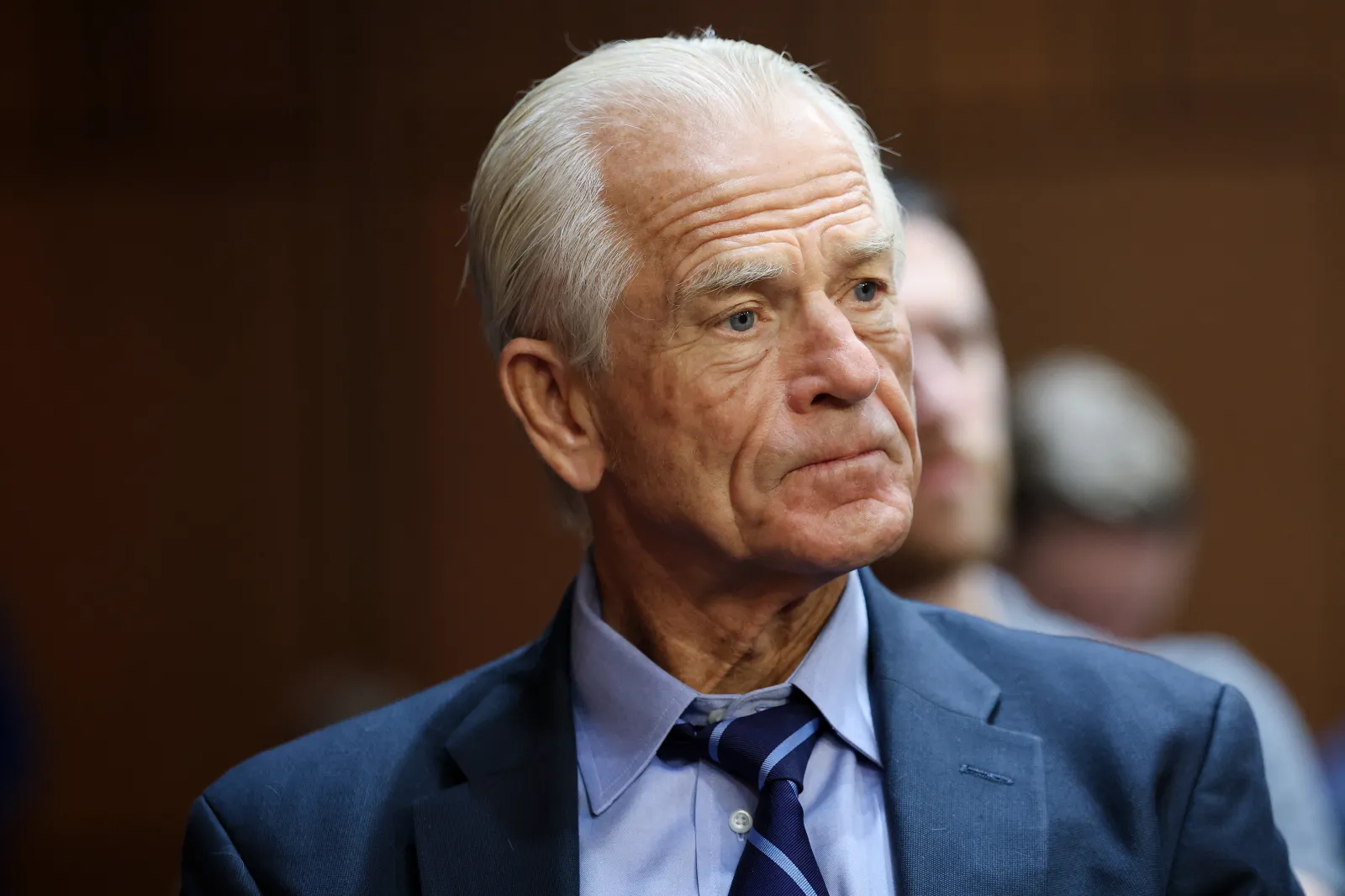
"In an age of AI, where all the white-collar jobs are going away pretty damn quick, I think maybe it's a good time for people to think about having good blue-collar jobs," Peter Navarro told CNBC Tuesday.
Navarro, President Donald Trump's senior counsellor for trade and manufacturing, said the U.S. was in the past able to prosper with a broad, blue-collar middle class, and that this could "come back again in a new package with all this new technology and productivity."
Read More on News
...
Why It Matters
The U.S. economy has gone all-in on AI, with spending on the technology and supporting infrastructure driving a significant portion of this year's GDP growth, and value in the stock market becoming increasingly concentrated in large, AI-focused firms.
The administration has likewise committed billions toward AI and related energy investments, with Trump voicing his intention to make America the "undisputed world leader in artificial intelligence."
This fiscal enthusiasm has not yet translated into an economy-wide transformation, and has been tempered with concerns over an AI "bubble" forming, as well as the potential job displacement that could come from its adoption.
What To Know
Speaking on CNBC’s Squawk Box program, Navarro discussed his recent op-ed for The Wall Street Journal in which he defended tariffs as a necessary tool for the lengthy process of "reindustrialization" in the U.S.
"Tariffs aren't a press release," Navarro wrote in the piece published Sunday. "They're an instrument that reshapes bargaining leverage, investment math, and supply-chain location decisions."
Navarro added that this strategy would be constrained by factors like "labor availability." However, on Tuesday he said that those who commit to blue collar jobs would stand to benefit from the manufacturing "boom" that would follow successful reindustrialization, while also skirting the worst effects of AI-driven job displacement.
AI has already been linked to some of the layoffs that impacted the workforce this year—Amazon touted the technology's "transformative" advancements, while announcing that it would be axing 14,000 corporate roles.
A recent Massachusetts Institute of Technology study found that AI was already able to replace 12 percent of the U.S. workforce, together representing around $1.2 trillion in wages across sectors, including tech, finance and health care.
A Senate report from October warned that the technology could "destroy nearly 100 million U.S. jobs in a decade," while pointing to several blue-collar professions like fast food service or warehouse and logistics work as particularly vulnerable.
What People Are Saying
Navarro told CNBC: "In an age of AI, where all the white-collar jobs are going away pretty damn quick, I think maybe it's a good time for people to think about having good blue-collar jobs. I mean, that used to be how America prospered—the middle class, the blue-collar middle class—because they had good wages at the time, back in the days when Detroit was king. That was a beautiful age. It can come back again in a new package with all this new technology and productivity."
Economic analyst Le Dong Hai Nguyen told Newsweek in September: "Entry-level white‑collar roles are heading for a reckoning as routine work gets automated. The apprenticeship model for young college graduates is cracking as firms favor lean, expert‑led teams enabled by AI. But that also raises a hard question: without training new talent, where do future experts come from?"
White House Press Secretary Karoline Leavitt, defending Trump's decision to freeze federal funding to Harvard in May, said: "The president is more interested in giving that taxpayer money to trade schools, and programs, and state schools, where they are promoting American values. But most importantly, educating the next generation based on skills that we need in our economy and out society—apprenticeships, electricians, plumbers—we need more of those in our country and less LGBTQ graduate majors from Harvard."
What Happens Next
Trump's tariffs are currently being assessed in the Supreme Court, after a lower court ruled that the president exceeded his authority in imposing these earlier this year.
The court's decision is expected in early 2026, and the administration has said unwinding the tariffs would create an economic "disaster," while triggering the difficult process of refunding importers who have until now paid the duties.
View 0 Comments
Submit Correction
View Editorial & AI Guidelines