...

By Daniel Leckie
CEO at HATCH
0
Share
Newsweek is a Trust Project member
See more of our trusted coverage when you search.Prefer Newsweek on Googleto see more of our trusted coverage when you search.
America's fight against hunger has long centered on one question: Are people getting enough food?
That narrow focus is no longer enough—and thankfully, the federal government is starting to take action. The U.S. Departments of Health and Human Services (HHS) and Agriculture (USDA) just invested millions of dollars in an initiative to expand access to protein-rich foods nationwide.
That investment couldn't come at a more critical time. Staple protein-rich foods like beef, seafood, and dairy, are among the most expensive items in Americans' grocery carts. In the face of rising costs—ground beef prices alone are up nearly 15 percent since last year—many families choose to do without.
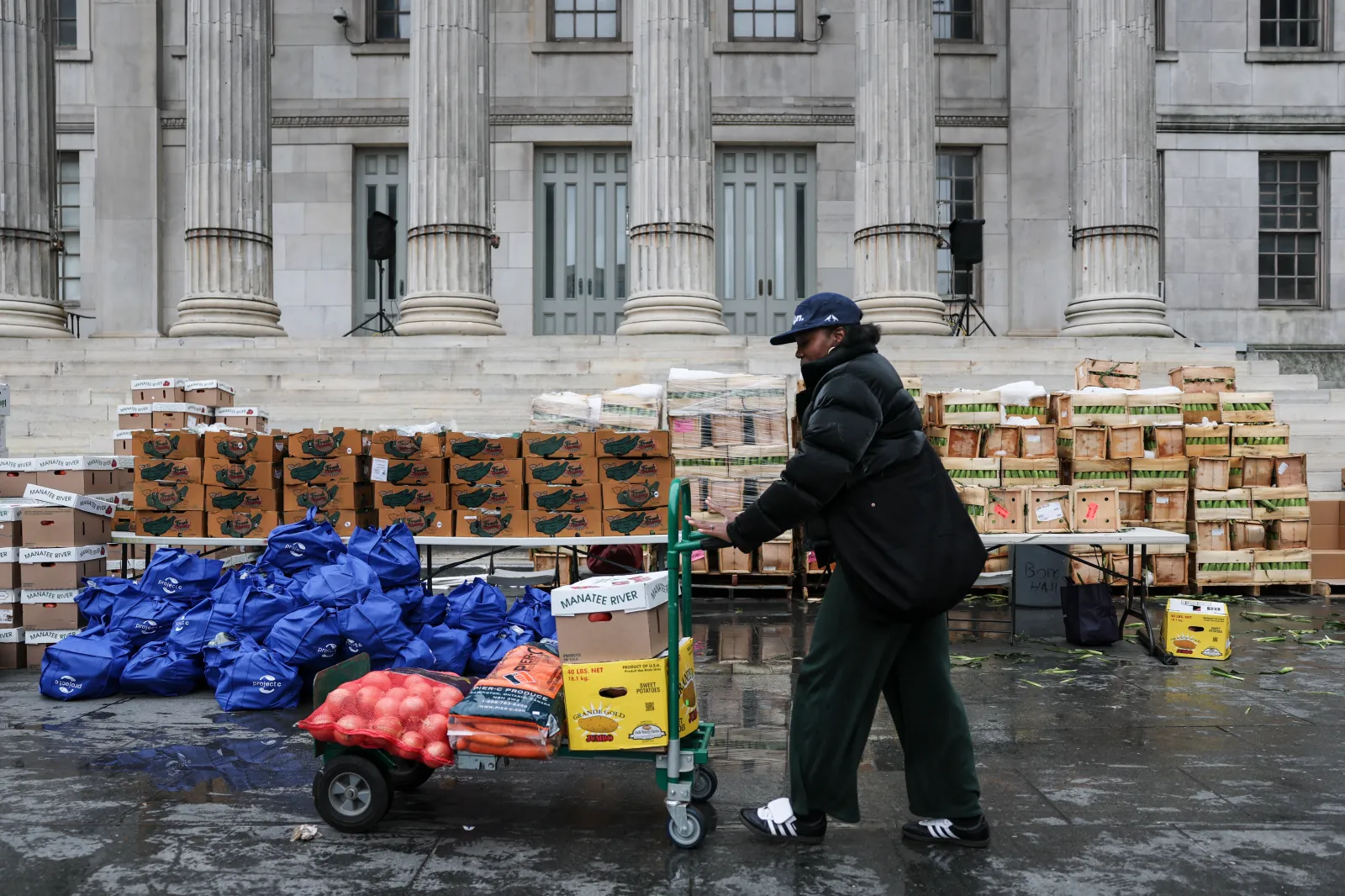
Millions of households have turned to the charitable food system for assistance. But there, too, protein is missing. Many families receive diets built primarily around shelf-stable carbohydrates, which are cheaper and easier to store and distribute than nutrient-dense foods. That should concern us all: as nutrition insecurity deepens, it fuels a parallel crisis in chronic disease.
Read More on Opinion
...
Roughly 50 million Americans rely on charitable food assistance every year. And that number is likely to rise: recently passed legislation will cut Supplemental Nutrition Assistance Program (SNAP) funding by 20 percent over the next decade, affecting benefits for more than 22 million families.
As the need for charitable food support grows, the system will have to evolve if it's to provide the nutrient most essential for satiety, muscle development, metabolic stability, and healthy aging. The current charitable food system falls hundreds of millions of pounds short each year in meeting the demand for animal protein.
The issue isn't a lack of supply. America produces an abundance of eggs, dairy, beef, pork, and poultry. Our farmers and ranchers are among the most productive in the world. The problem is that our charitable infrastructure was never built to move perishable protein efficiently at scale.
Animal protein requires specialized refrigeration, coordinated transportation, and predictable purchasing systems. Right now, cold storage capacity varies widely across the pantry network. While some facilities have sufficient freezer space, many others struggle with aging equipment that limits their ability to handle perishable donations.
Most food banks were designed around donated, shelf-stable products because they're easier to store, transport, and distribute. As a result, highly processed foods flow through the system far more consistently than fresh, nutrient-dense proteins. Over time, that shapes health outcomes.
Today, three in four American adults are overweight or obese, and nine in ten show signs of metabolic dysfunction, such as high blood pressure and elevated blood sugar. Nearly one in three teenagers already has prediabetes. These conditions are particularly prevalent in the communities that rely most heavily on charitable food assistance.
Areas with limited access to nutrient-dense foods experience a greater risk of diabetes, heart disease, and other chronic conditions. In some cities, children growing up just miles apart face life-expectancy gaps measured in decades—a disparity closely linked to the availability of nutritious foods.
It's time to reexamine how we think about food access. For decades, nutrition programs and hunger efforts have focused on general food security—simply ensuring households had enough calories. That focus must expand to include nutrition security: pairing caloric quantity with nutritional quality, so that families can obtain diets that are both satiating and healthy.
Achieving that goal will require building a national nutrition infrastructure capable of delivering healthier food to the communities that need it most, while simultaneously creating new, stable demand channels for American agriculture.
Producers have spent years navigating volatility, margin pressure, and shifting consumer behavior. Yet animal protein remains one of the most nutrient‑dense foods available: Eggs, dairy, and meat provide highly bioavailable protein alongside iron, zinc, B12, and essential amino acids that are difficult to replace.
The charitable food system has an opportunity to become a reliable bridge between American agricultural abundance and nutrition security for vulnerable families.
At HATCH, the nonprofit I lead, we see the need every day. Food banks are explicitly requesting eggs, ground beef, milk, and cheese. Families want real, whole foods; the obstacle is purely a matter of access. And that access gap can be overcome with targeted infrastructure investment, coordinated purchasing systems, and long-term public-private partnerships capable of moving protein predictably across the country.
If we are serious about reducing chronic disease, improving childhood nutrition, and supporting healthier communities, protein access must be at the center of the national conversation. America already produces enough protein to solve this problem; now we need the collective will—and the right partners—to deliver it.
Daniel Leckie is the CEO at HATCH, a nutrition-focused nonprofit that connects protein producers, food banks, and donors to build a reliable supply chain for animal protein. For more information, visit hatchforhunger.com.
The views expressed in this article are the writer's own.
View 0 Comments
Submit Correction
View Editorial & AI Guidelines