10
Loading video...

By Soo Kim
Reporter
0
Share
Newsweek is a Trust Project member
See more of our trusted coverage when you search.Prefer Newsweek on Googleto see more of our trusted coverage when you search.
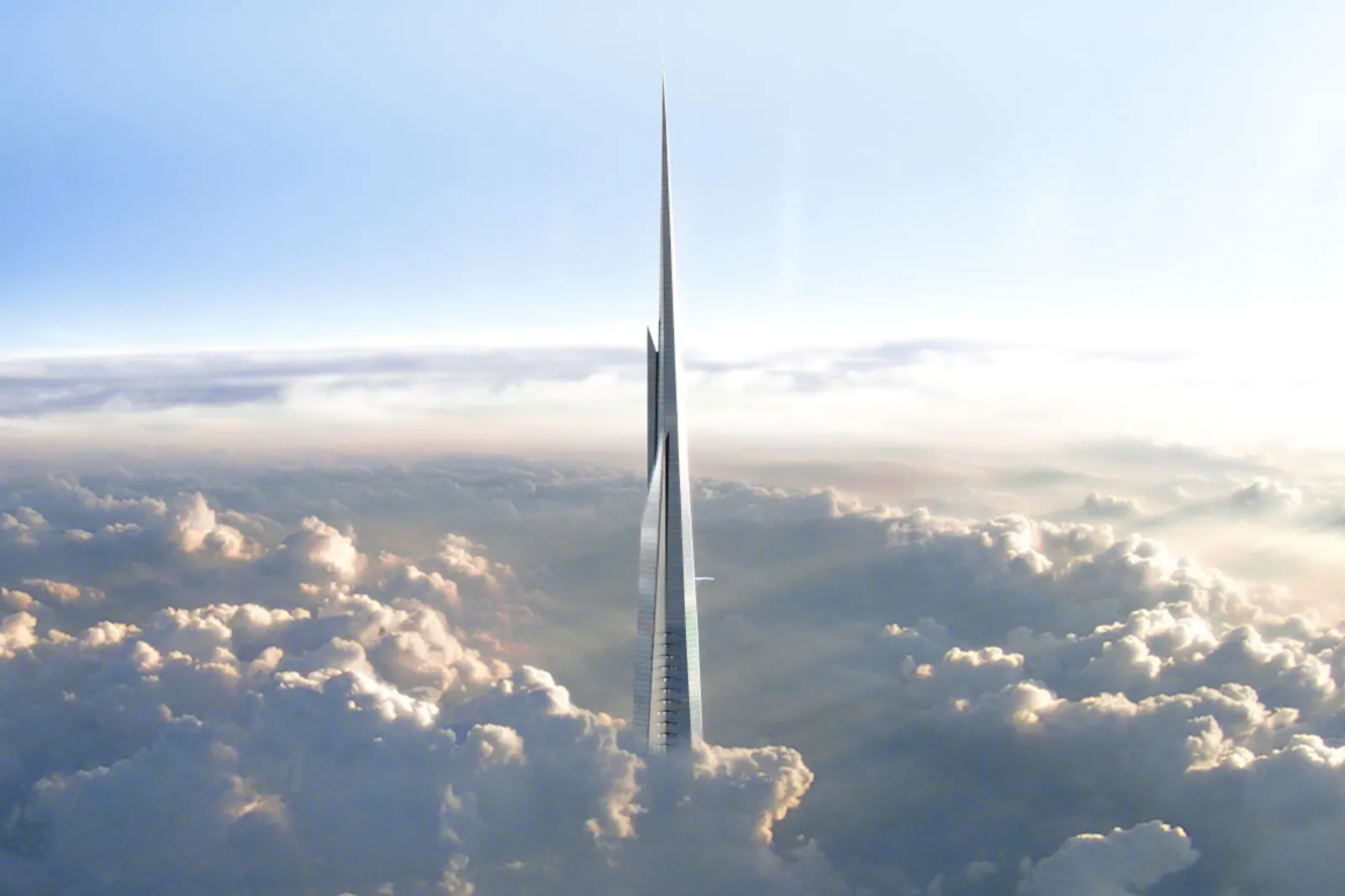
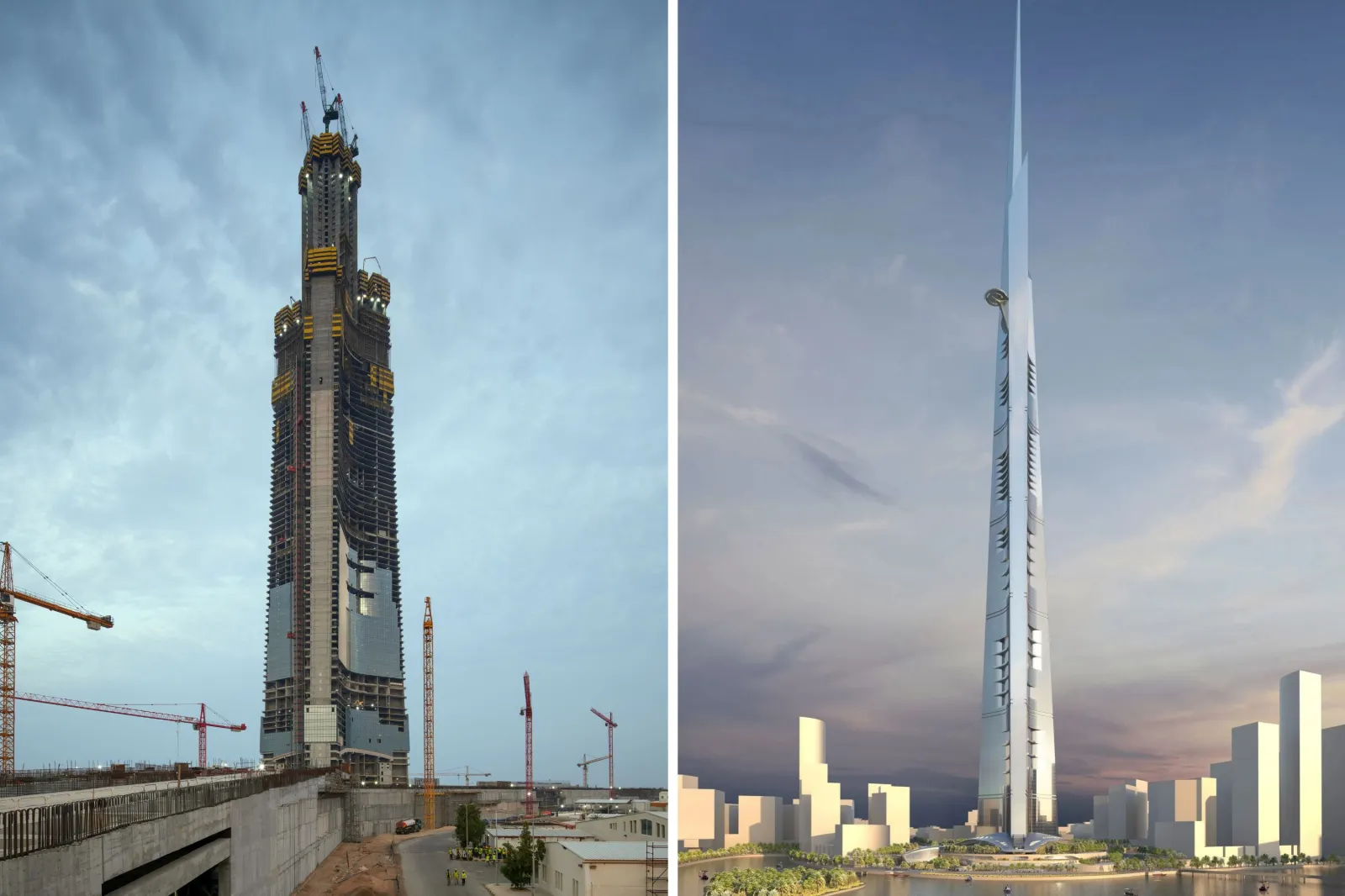
Gordon Gill, the architect behind the Jeddah Tower in Saudi Arabia, which will be the world’s tallest building upon completion, has a message that may seem counterintuitive in an age of record-breaking skyscrapers—the future of architecture lies not in building higher, but in rethinking what already exists.
Gill, co-founder of the Chicago-based firm Adrian Smith + Gordon Gill Architecture (AS+GG), told Newsweek that “the greatest opportunity in the U.S. for innovation is in the programming of cities,” pointing out that new construction represents only a small fraction of the country’s built environment. In his view, the real challenge—and opportunity—sits within existing buildings.
Despite his role in designing the world’s tallest building, Gill says height is no longer the primary goal. Asked about the next benchmark he hopes to achieve, he replied: “Sustainability is what matters to me the most…to get to the point where we're contributing with buildings and turn them into assets, versus looking at them as deficits.”
Read More on Travel
...
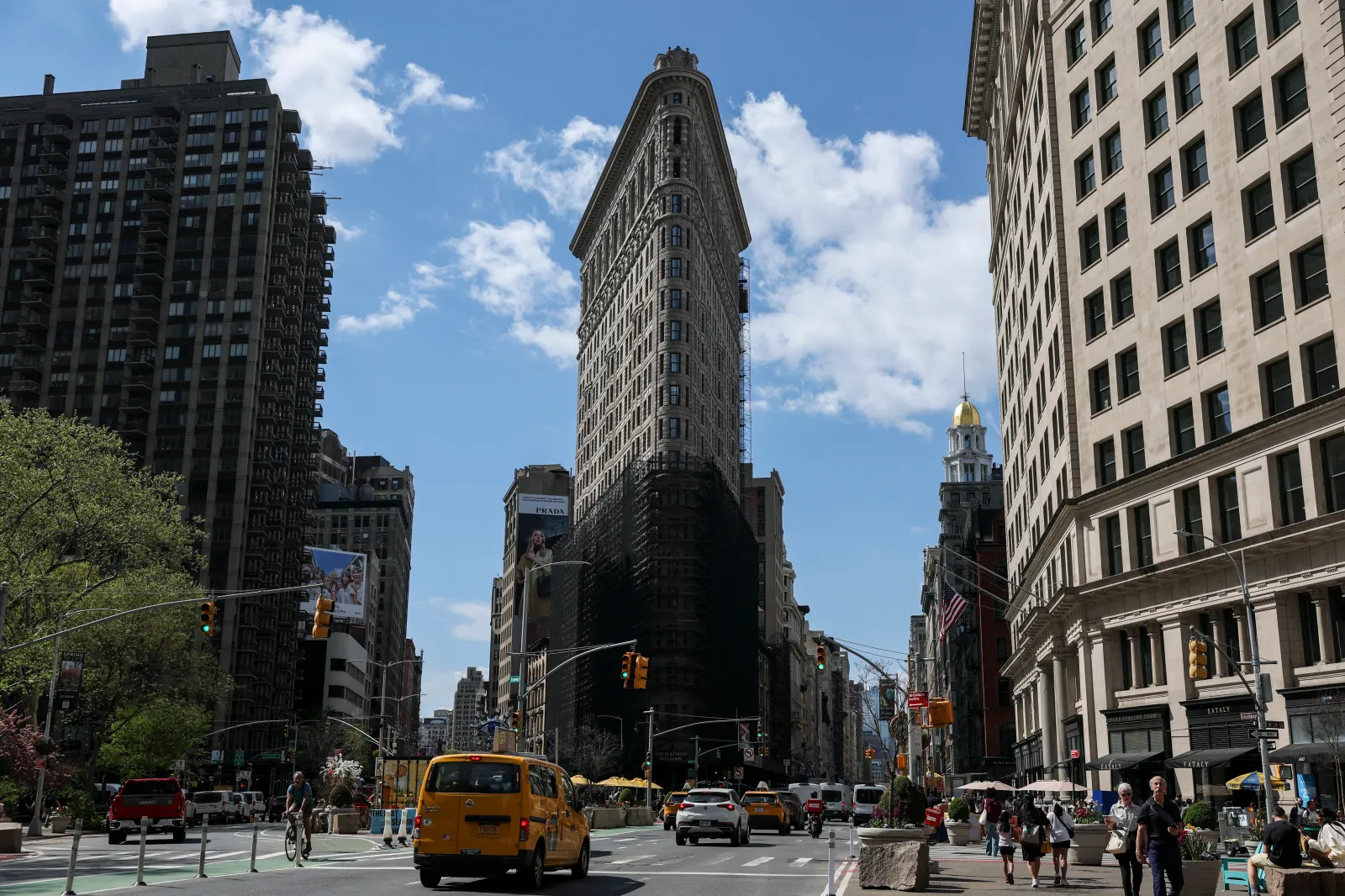
Gill's comments come amid a growing shift in the U.S. toward adaptive reuse and preservation-led development. Nearly half of America’s 125 million buildings are more than 50 years old, according to the American Institute of Architects (AIA), highlighting the scale of existing structures that could be reimagined.
At the same time, demand for conversions is rising rapidly—nearly 25,000 apartments were created from repurposed buildings in 2024 alone, a 50 percent increase year-on-year, according to RentCafe.
The environmental case is just as strong. The AIA has found that reusing buildings can avoid 50 to 75 percent of the carbon emissions associated with new construction by eliminating the need for new materials and the embodied carbon tied to their production and transport.
...
The Impact of Embodied Carbon
Embodied carbon refers to “the millions of tons of Earth-warming carbon emissions released during the life cycle of building products,” explains the U.S. Green Building Council. The life cycle can include material extraction, transportation, manufacturing, construction, maintenance, renovation, as well as the “end of life” stage of a product.
Noting how “extremely efficient” the upcoming Jeddah Tower is, Gill said: “When we talk about form and performance, these are the kind of things we strive for” with supertall buildings.
“The majority of embodied carbon that we're seeing is primarily in the infrastructure and the structure of these buildings,” Gill said. “It's almost like a city…underneath the asphalt, there's a whole other world under there that's driving the embodied carbon of cities. In these buildings, it's the infrastructure*.”*
...
Buildings are currently responsible for 39 percent of global energy-related carbon emissions, according to the World Green Building Council. This includes 28 percent from operational emissions, from energy needed to heat, cool, and power buildings, while the remaining 11 percent is from materials and construction.
CO2e (carbon dioxide equivalent) emission released before the use of a building or infrastructure begins is known as “upfront carbon.” The World Green Building Council warns that “upfront carbon is projected to account for half of the entire carbon footprint of new construction between now and 2050,” as the global building stock is forecast to double in size by the middle of the century, with the world population approaching 10 billion.
“Therefore, the built environment sector has a vital role to play in responding to the climate emergency, and addressing upfront carbon is a critical and urgent focus,” the World Green Building Council advises.

...
Keep Your Eye on Existing Building Stock
For Gill, the importance of existing buildings is not just about preservation, but about long-term relevance.
“It’s the existing building stock you have to keep your eye on…refreshing that stock and keeping them relevant, part of the sustainability legacy,” the architect said, warning that maintaining the “longevity of your stock” is important to “avoid obsolescence.”
He suggested that innovation in the U.S. will increasingly revolve around adapting older buildings, as well as rethinking public space.
“The programming of existing building stock" as well as its renovation, and "the creativity of public open space through technology…is going to be a fascinating opportunity in the United States,” Gill said.
Gill believes architects often overlook opportunities already in front of them. “We have to turn inward, as much as we do have to look at what it is that we're building,” he said. “I think we often seek opportunity when, in fact, it might be present—we just don't recognize it.”
Learning From Projects Like Willis Tower
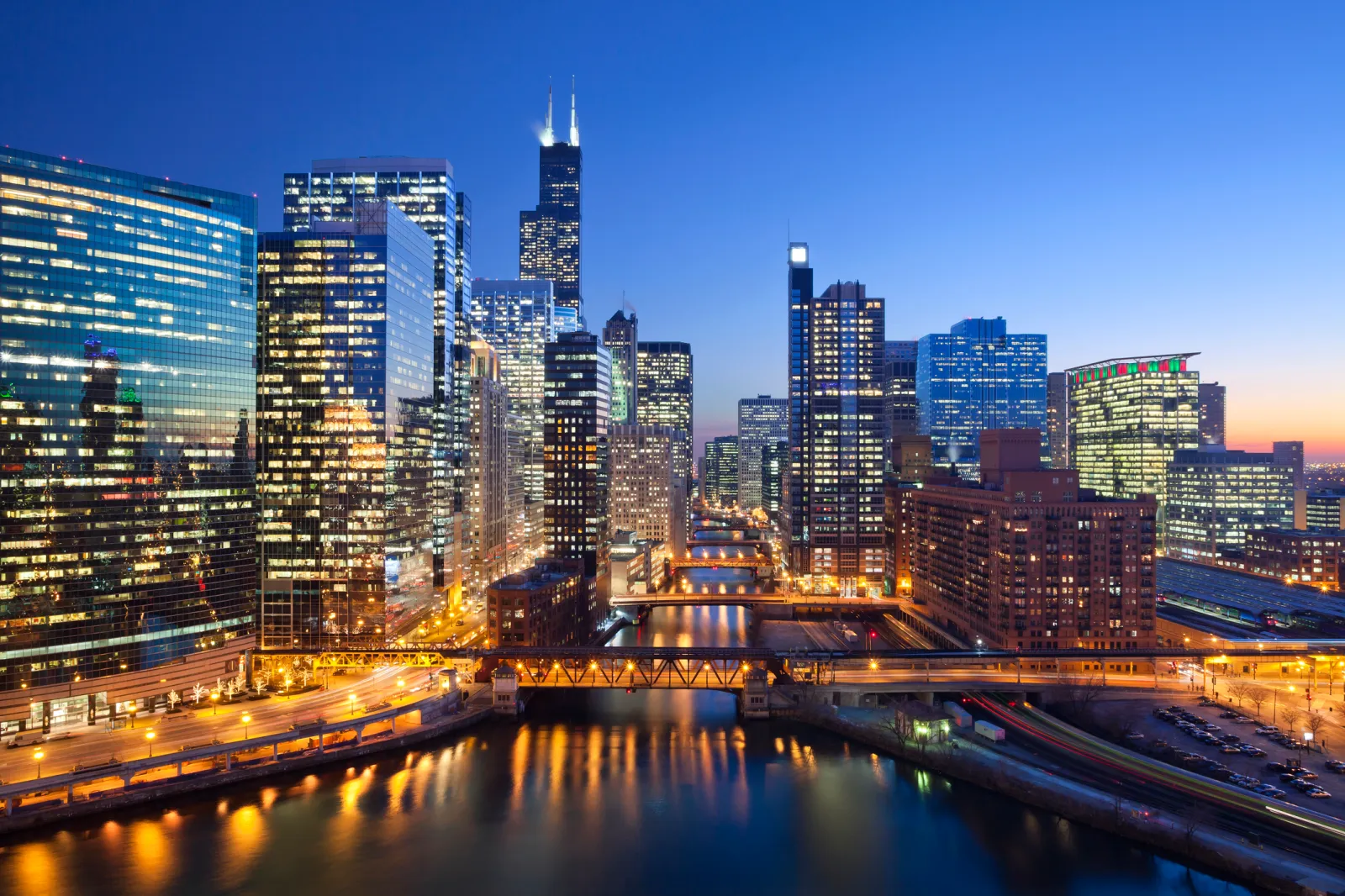
Gill points to renovations like the Willis Tower in Chicago—once the tallest building in the world—as an example of what is possible. The building’s transformation focused on sustainability upgrades, reducing energy and water use. The tower earned LEED (Leadership in Energy and Environmental Design) Platinum designation, the highest environmental standard for the certification program developed by the U.S. Green Building Council.
“We’ve proven that we can renovate an existing building and actually help the building next door, or help more buildings next door,” Gill said, suggesting that retrofits can have a ripple effect across entire urban areas. “This is where I think the opportunity rests, not just to help yourself, but to help everyone.”
...
Technology, Density, and Cities of the Future
Looking ahead, Gill sees innovation emerging not just from architecture itself, but from intersecting technologies.
“We're seeing the impact of unmanned drones…air vehicles…people now creating drone traffic models for cities,” he said, noting that such systems are already influencing design in parts of the Middle East.
As cities become denser, he expects changes in how people move through space. “I think you will see vertical and horizontal movement in cities at heights that we had not necessarily seen before,” he said, adding humanity’s shift from ground-based living to vertical environments is still evolving.
Ultimately, Gill says that architecture must respond to the people and environments it serves.
“You have to listen very closely to the environment you're in…hopefully offer something that is helping them move forward,” he said.
Do you have an architecture or design-related story to share? Let us know via s.kim@newsweek.com, and your story could be featured by Newsweek.
Update 6/15/26, 9:52 a.m. ET: This article has been updated with additional information.
View 0 Comments
Submit Correction
View Editorial & AI Guidelines