...

By Toby Meyjes
News Editor
0
Share
Newsweek is a Trust Project member
See more of our trusted coverage when you search.Prefer Newsweek on Googleto see more of our trusted coverage when you search.
The U.S. State Department has updated its travel advisory for Guatemala because of the increased risk of terrorism.
In an update issued on March 12, Americans were warned not to travel to various areas and also parts of the capital, Guatemala City, because of the threat of crime and terrorism from cartels, gangs and criminal organizations. Separately an advisory for neighboring Belize was also updated.
...
Read More on News
What To Know
Neither update changed the advisory level for Americans traveling to the countries concerned. Currently, Guatemala is graded level 3, which means visitors should reconsider travel to the destination "due to serious risks to safety and security."
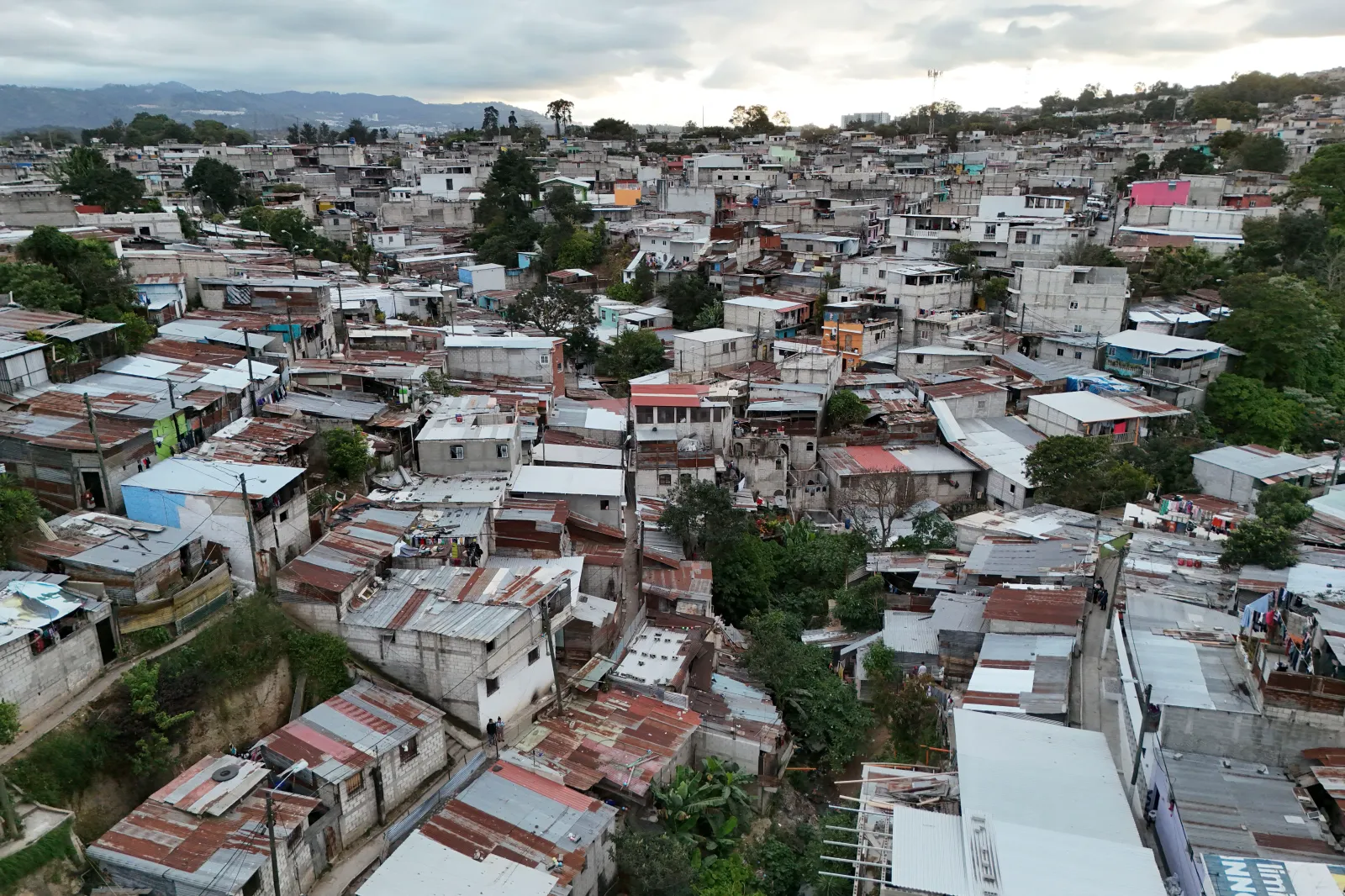
Americans heading to Guatemala are advised not to travel to San Marcos Department, Huehuetenango Department, Zone 18 in Guatemala City, and Villa Nueva because of the risk of crime and terrorism.
The state department says: "Some areas of Guatemala have higher levels of gang-related violence. Crimes include robbery, carjacking, drug trafficking, assaults, and murders. Local law enforcement often struggles to address serious crimes. This leads to low arrest and conviction rates. Tourists can become victims of opportunistic crimes such as scams and extortion."
The advisory warns that both San Marcos and Huehuetenango departments do not have enough police in some towns and may not have the resources to handle serious crimes. It says travelers should not go to Guatemala's Zone 18 or Villa Nueva for any reason.
Other advice for those headed to the country includes to never leave drinks unattended in bars and restaurants and decline invitations from strangers to private parties. Those going should consider staying in hotels with secure parking, doormen and professional security staff and use trusted taxi services, it says.
The State Department's travel advisory level for Belize is set at level 2, which means travelers should "be aware of increased risks to safety and security."
Americans are warned of the increased risk of crime in some areas. The advisory reads: "Isolated incidents of violent crime can happen even during the day and in tourist areas, though the south side of Belize City has historically had the highest concentration of violent crime.
"Crimes include sexual assault, home invasions, armed robberies, and murder. Much of this violence is linked to gangs."
The advisory warns that local police lack the resources and training to respond effectively to serious crimes, most crimes remain unresolved and unprosecuted, emergency services are usually unavailable and significantly delayed and those who are seriously injured or ill normally require medical evacuation to another country.
U.S. citizens are strongly discouraged from traveling to the south side of Belize City from the Haulover Creek Canal to Fabers Road or traveling and walking after dark.
View 0 Comments
Submit Correction
View Editorial & AI Guidelines