...

By Tom Howarth
Science Reporter (Nature)
0
Share
Newsweek is a Trust Project member
See more of our trusted coverage when you search.Prefer Newsweek on Googleto see more of our trusted coverage when you search.
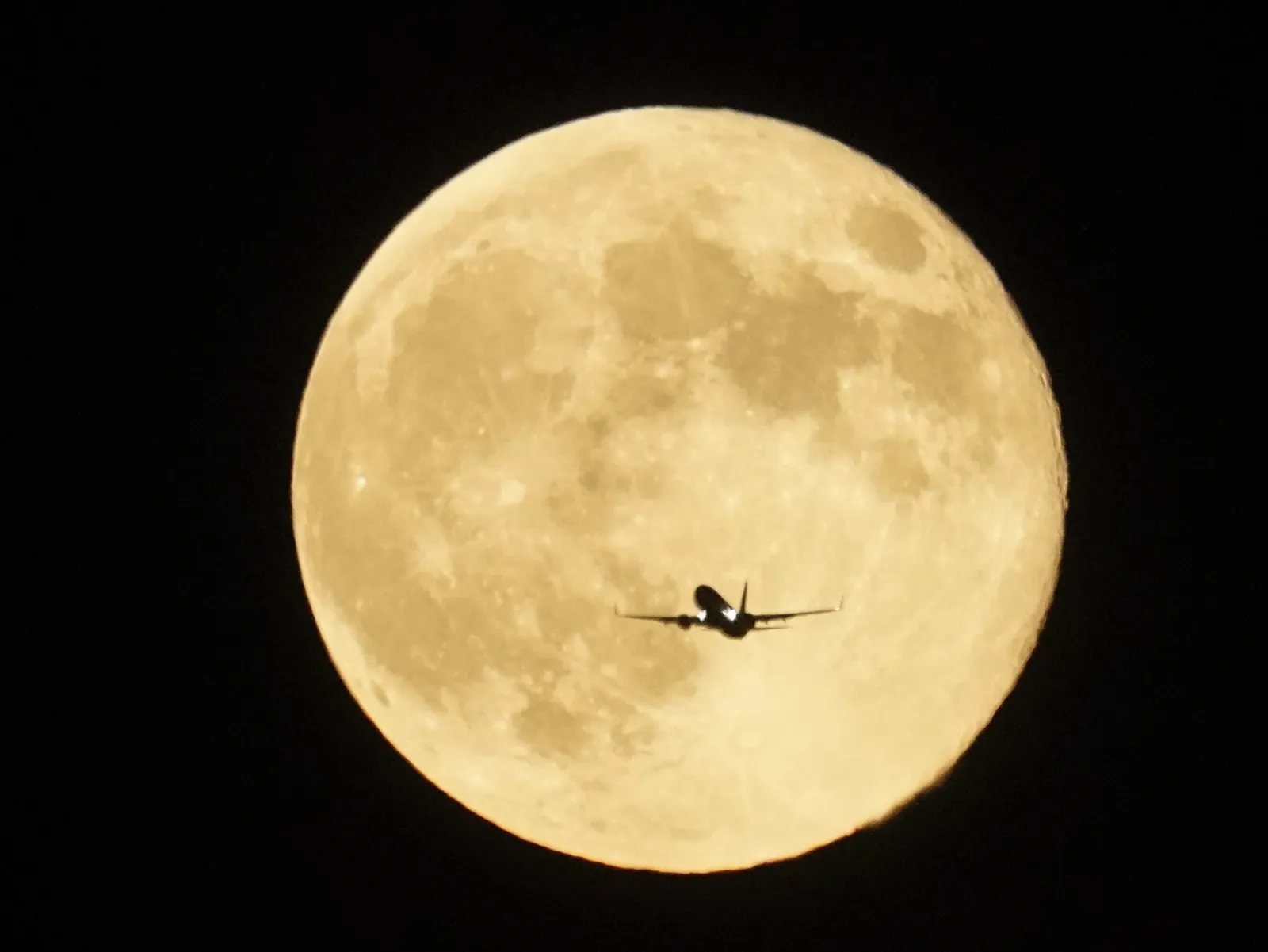
A spectacular astronomical event took over the skies on Thursday night—the third in a series of four supermoons this year, the Hunter's Moon, which also happened to be the biggest and brightest.
Supermoons occur when the moon's closest approach to Earth coincides with a full moon, making it appear bigger and significantly brighter than usual.
Stargazers were out in force across the U.S. and around the world, not just to catch a glimpse of the moon, but also to see the last of Comet Tsuchinshan-ATLAS, which is heading away from us and getting dimmer by the minute.
Read More on Science
...
The next time this "comet of the century" comes close to Earth will be in 80,000 years.
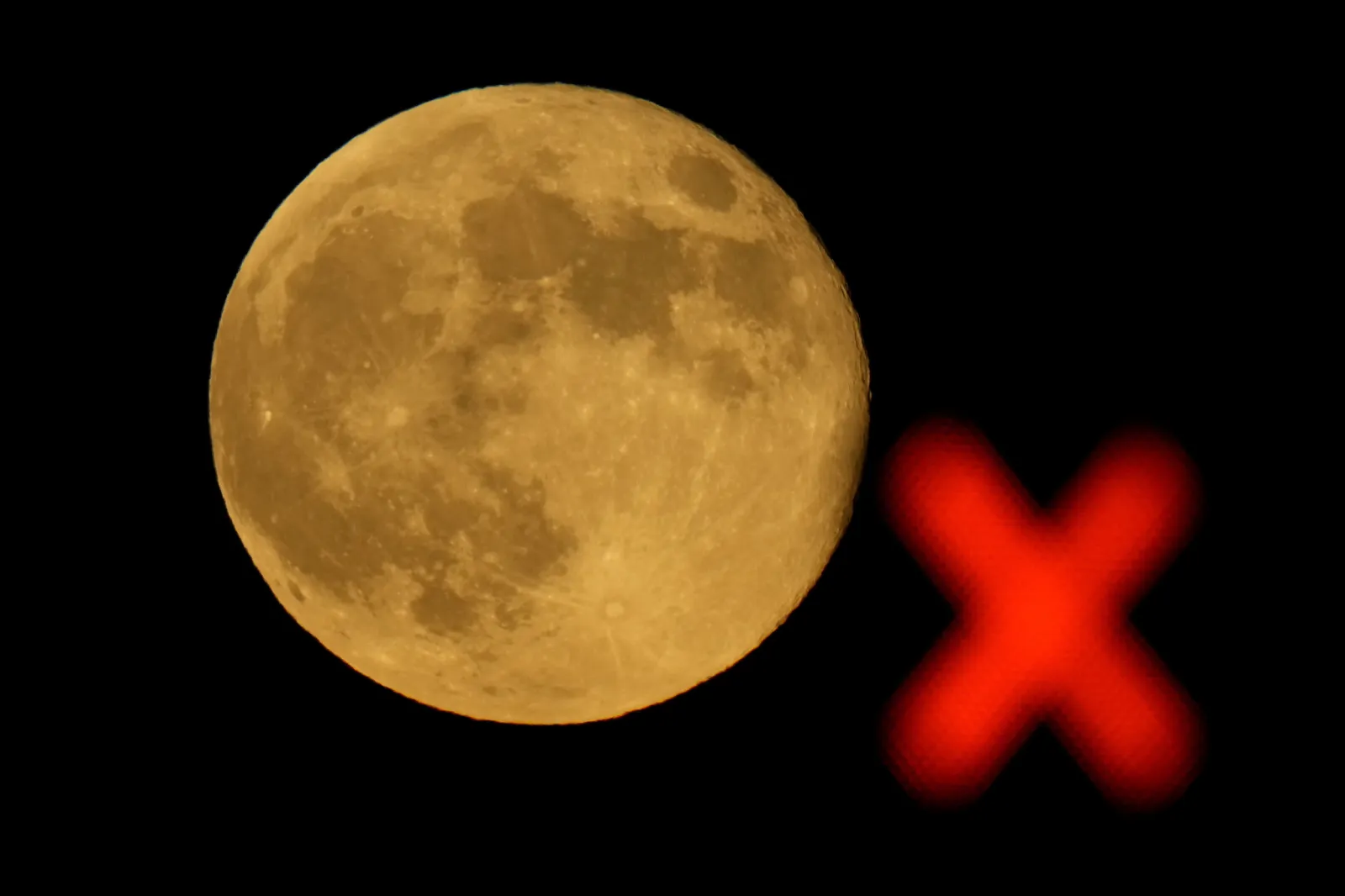
October's Hunter's Moon—which is also known as the "Falling Leaves Moon" and the "Blood Moon"—became full on Thursday and was most spectacular as it rose above the eastern horizon just after sunset.
...
The moon gets its nickname from Native American tradition and serves as a reminder to go out hunting before the harshest months of winter bite.
The moon was around 14 percent larger and 40 percent brighter on Thursday evening than a normal full moon. It may have appeared extra brilliant for some, as an optical illusion can help make the supermoon loom large in the sky when buildings and landmarks sit in the full moon.

...
Rising in the east shortly after sunset in the west added an extra layer of beauty to the spectacle, as the moon took on a deep orange hue in the lingering evening light.
Thursday's full supermoon was also the largest of the year—the moon was just 220,055 miles from Earth compared to its average distance of 238,855 miles.

...
The final supermoon in this year's four-in-a row show of giant moons occurs next month, on November 15. This moon is known as the "Beaver Moon," possibly originating from the fact beavers are active at this time or because Native Americans would set beaver traps during this month.
You needn't wait until next month, however. The moon is still 98.2 percent full on Friday night, so it should be almost as "super" as on Thursday. Plus, lots of places in the West that were shrouded in clouds on Thursday should have clear skies Friday evening.

...
Do you have a tip on a science story that Newsweek should be covering? Do you have a question about supermoons or comets? Let us know via science@newsweek.com.
View 0 Comments
Submit Correction
View Editorial & AI Guidelines