...

By Suzanne Blake
Reporter
0
Share
Newsweek is a Trust Project member
See more of our trusted coverage when you search.Prefer Newsweek on Googleto see more of our trusted coverage when you search.
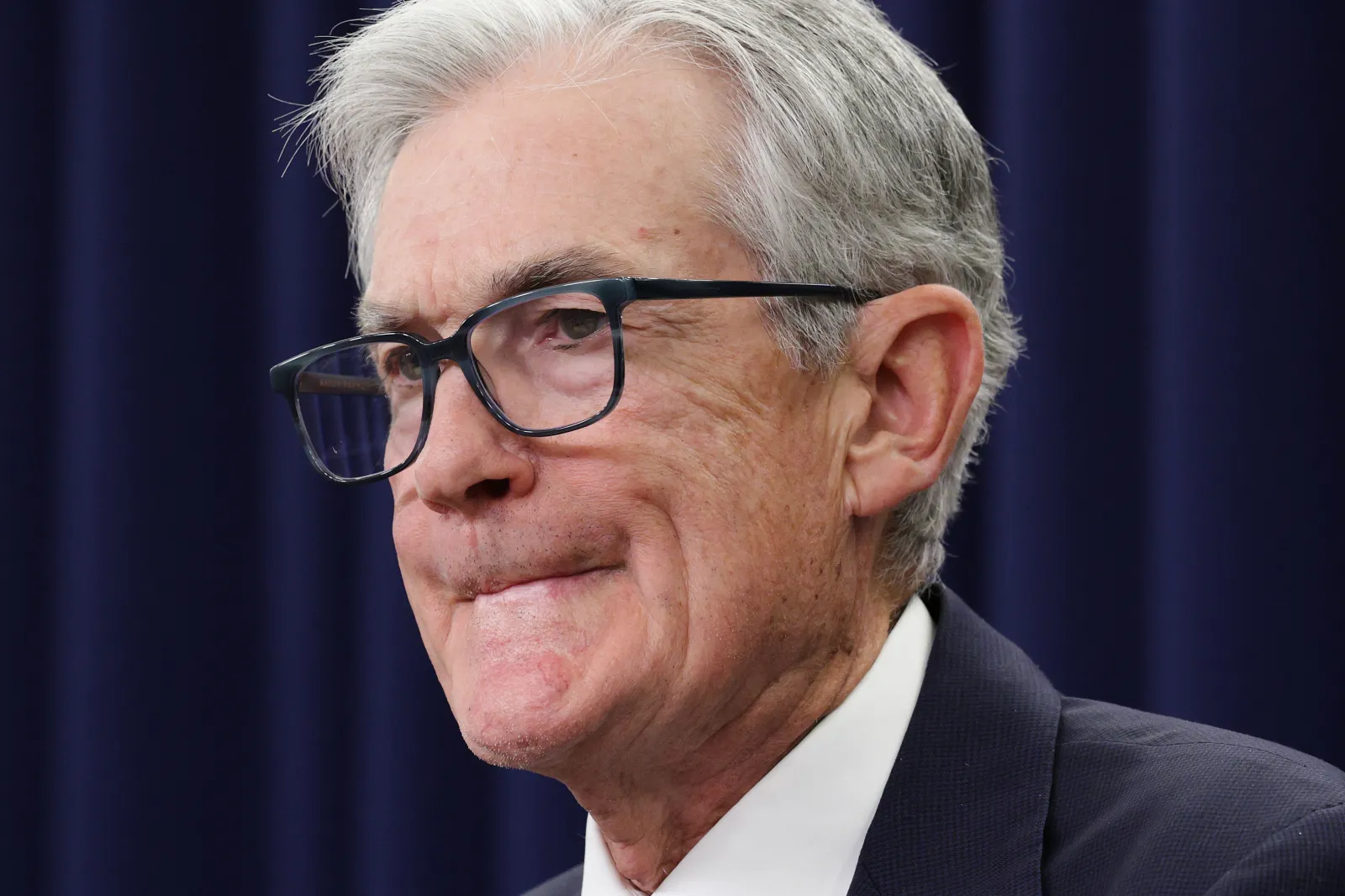
A well-known investor has issued a warning about Federal Reserve Chair Jerome Powell, alleging that America is in another massive bubble similar to the dot-com bubble.
“Many misremember or are simply ignorant of what exactly that was. Our Federal Reserve Chair is one of those, falling victim to today’s most common false narrative,” Michael Burry wrote in a new Substack, The Cardinal Sign of a Bubble: Supply-Side Gluttony,” on Sunday.
Burry became known for his 2008 housing market collapse prediction, which was depicted in the 2015 movie The Big Short.
Read More on Tech
Why It Matters
Burry’s warning could reflect an impending crisis regarding the overbuilding of AI infrastructure.
If the AI bubble is mirroring the housing market from 2005 to 2009, Powell’s previous arguments that today’s earnings justify valuations in AI could contribute to an AI bubble pop.
...
What To Know
Burry wrote in his Substack piece that many people misremember the dot-com bubble, which was driven by huge, established companies massively overbuilding data transmission infrastructure like fiber and routers.
Today, companies are operating similarly with AI, with tech giants like Microsoft and Google planning multitrillion-dollar spending on these initiatives.
“AI stock market bulls claim almost to a man and to a woman that massive spending is, today, continuing for the foreseeable future and will lead to stop market gains for many more months or even years,” Burry wrote. “The historical record simply tells a different story. The housing bubble and the shale revolution had similar dynamics and were no exception.”
Burry went on to say that Powell’s characterization of these companies as profitable and different from the dot-com era is factually wrong, with the real danger in “supply side gluttony.”
“And once again there is a Cisco at the center of it all, with the picks and shovels for all and the expansive vision to go with it,” Burry wrote. “Its name is Nvidia.”
Nvidia has reported high earnings consistently, last week revealing a 62 percent increase for the three-months period ending in October.
“Warnings of a bubble forming around AI are nothing new, but the comments of Michael Burry and others in recent weeks have been gaining steam as investors start to question if the promised returns this boom is supposed to produce will come to fruition and if the significant investments being made now will truly be recouped down the road,” Alex Beene, a financial literacy instructor for the University of Tennessee at Martin, told Newsweek.
“For the Federal Reserve, the situation is especially tricky. Jerome Powell's prior comments of many of the top companies overseeing the biggest spending on AI were based on sound thinking. Many of the major tech companies of today do not have the lack of revenue that many companies had during the dot-com bubble in 2000.”
Newsweek reached out to the Federal Reserve for comment via email.
What People Are Saying
Michael Burry, in a new Substack: “AI stock market bulls claim almost to a man and to a woman that massive spending is, today, continuing for the foreseeable future and will lead to stop market gains for many more months or even years. The historical record simply tells a different story. The housing bubble and the shale revolution had similar dynamics and were no exception.”
Kevin Thompson, the CEO of 9i Capital Group and the host of the 9innings podcast, told Newsweek: “I actually agree with his commentary because there’s one constant in markets: fear and greed. The FOMO [fear of missing out] that’s taken hold as these stocks power higher, and the greed that follows when people see their portfolios grow day after day, are both familiar patterns. The reality is, Burry can be right, but it all comes down to timing and how severe that correction ends up being.”
Alex Beene, a financial literacy instructor for the University of Tennessee at Martin, told Newsweek: “If the bubble bursts, it could have a calamitous effect on the 401(k)s of millions of Americans, as well as cause the Fed to change course in their current plans. It could lead to further interest rate cuts, which could have a positive impact for home buyers. At the same point, the job losses and retirement account declines would easily offset any positive gains that could come from such events.”
What Happens Next
While companies investing in AI may show earnings, how those earnings are capitalized or accounted for can be misleading, Thompson said.
“We’ve seen this movie before—creative accounting during Enron and other crises—and similar behavior seems to be resurfacing now,” he said. “When you have multitrillion-dollar companies propping up global markets, that kind of fragility deserves serious attention.”
View 0 Comments
Submit Correction
View Editorial & AI Guidelines