...

By Dan Gooding
Associate News Editor
0
Share
Newsweek is a Trust Project member
See more of our trusted coverage when you search.Prefer Newsweek on Googleto see more of our trusted coverage when you search.
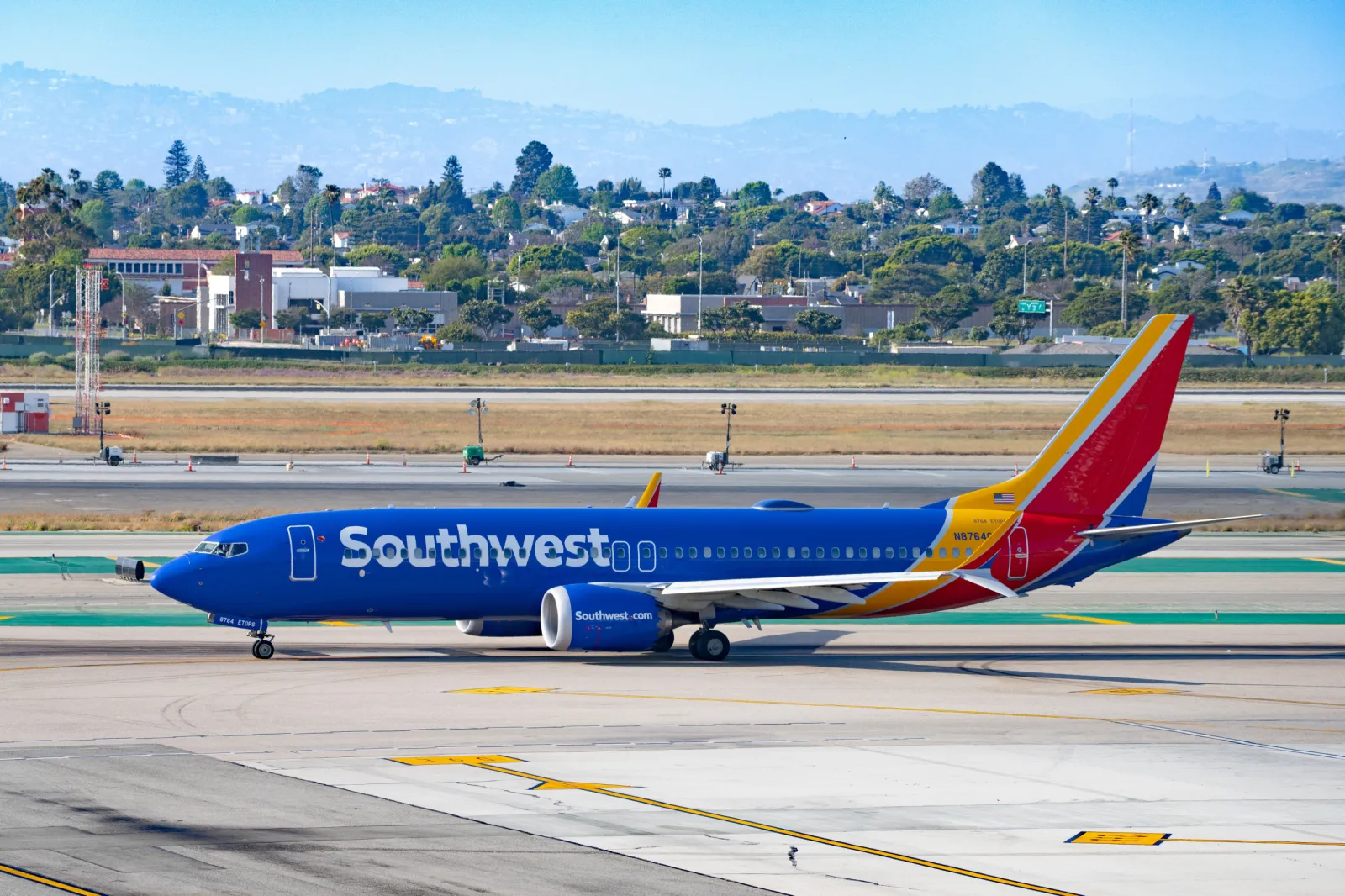
A Boeing passenger jet has been grounded after experiencing a rare "Dutch roll" while in flight from Phoenix to Oakland.
While at 32,000 feet, the year-old Southwest Airlines 737 Max 8 experienced the issue, which involves "tail-wagging" and the aircraft rocking side-to-side, the Aviation Herald reported.
Read more: Southwest Rapid Rewards® Priority Credit Card Review
Read More on News
The plane managed to land safely in Oakland, with an inspection finding damage to the standby Power Control Unit (PCU).
The 175 passengers and six crew all arrived safely, but the aircraft remains grounded as of Thursday.
What caused the issue remains unclear, with the aircraft reportedly moved to a Southwest contractor for inspection and repair.
...
A spokesperson for Southwest told Newsweek that the company was in touch with the FAA and Boeing, but that they had nothing else to add.
Read more: Which Airlines Have the Best (or Worst) Fees?
Newsweek reached out to the FAA for comment Thursday morning via email.
The "Dutch roll" would likely have been stomach-turning for the flight's passengers and crew, as it causes the aircraft to roll in one direction and yaw in another. It is considered a serious incident that has caused fatal crashes in the past.
The deadliest single-aircraft crash in history — the 1985 crash of Japan Air Flight 123, a Boeing 747 — was preceded by a Dutch roll. More than 500 people died in that accident.
The Southwest incident was not widely reported, but comes after a string of issues with Boeing aircraft reported since the beginning of the year.
Boeing 737 Max planes in particular have faced a range of problems, including an emergency door plug that blew out of an Alaska Airlines flight in January.
Update 6/13/24 2:00 p.m. ET: This story has been updated with comment from Southwest.
View 0 Comments
Submit Correction
View Editorial & AI Guidelines