
By Carlo Versano
Director, Politics & Culture
0
Share
Newsweek is a Trust Project member
See more of our trusted coverage when you search.Prefer Newsweek on Googleto see more of our trusted coverage when you search.
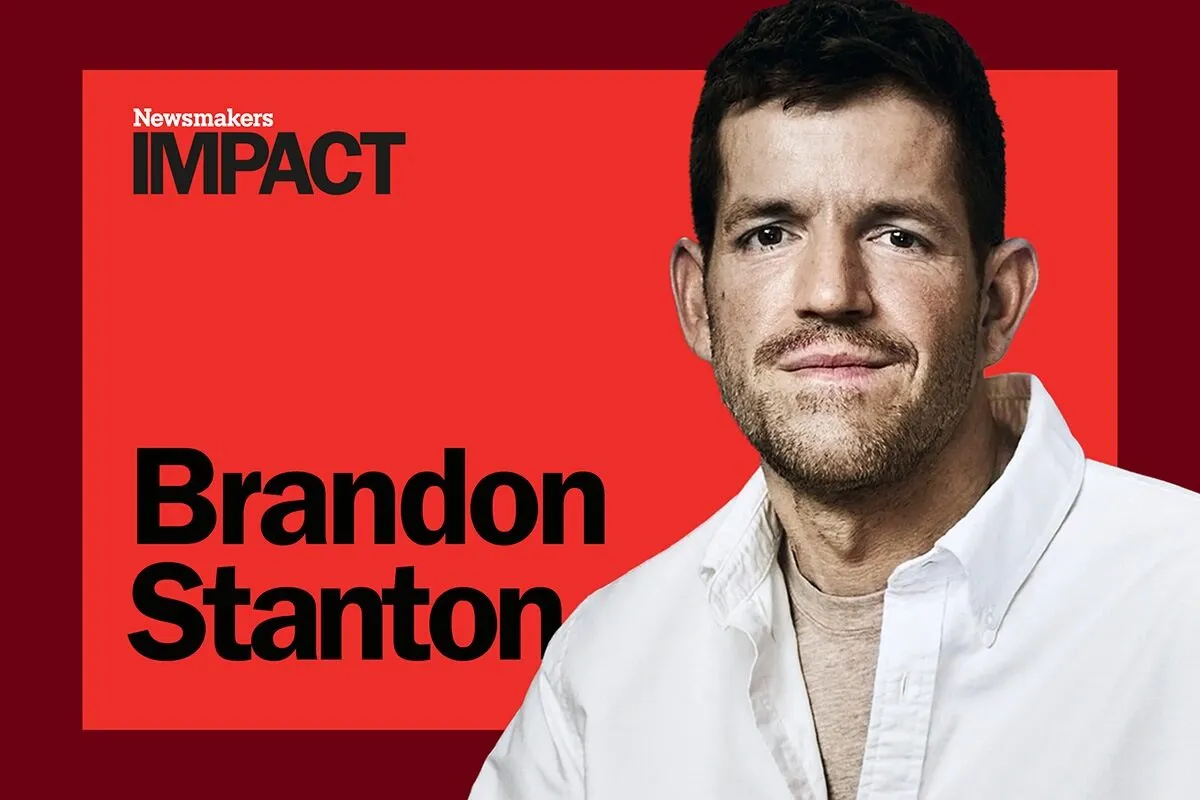
Brandon Stanton never planned on becoming New York City's unofficial chronicler. He was a bond trader in Chicago who lost his job at 26, suddenly unmoored from the identity he had built to cover up what he describes as "a lot of shame"—about drug addiction, about flunking out of college, about feeling perpetually behind. When his job disappeared, so did the persona he had been cultivating. What remained was a simpler question: What do I actually want to do all day?
The answer was photograph people. And what better place to do that than New York.
What began in 2010 as a quixotic goal—photograph 10,000 strangers on the streets of the five boroughs—became Humans of New York, one of the most followed social media projects in history, amassing some 30 million followers across platforms and earning comparisons to a photographic census of America's largest city. But the project evolved, quietly and organically, from portraits into something closer to confession. The more Stanton talked to his subjects, the longer those conversations grew, until they became interviews, and the interviews kept revealing something unexpected: People, given the right conditions, will tell a stranger just about anything.
Read More on Newsmakers
"The willingness of people to be vulnerable, if your intent is good—that's probably the most interesting takeaway from the last 15 years," Stanton, now 42, told Newsweek recently, as the project comes to a close.
...
Stanton is putting a capstone on Humans of New York with Dear New York, a book of photographs he describes as both a love letter to the city and the highest expression of the art form he helped create. To launch it this past fall, he transformed Grand Central Terminal into the largest public art installation New York has seen in two decades—covering every available surface both above and below ground with his portraits, and funding the entire project himself.
"There was a goal," he said, simply. "There was no budget."
The book, and the installation, are also a meditation on what 15 years of listening has taught him about human nature—particularly in an era when online life has made everyone angrier, more certain and more tribal. On the street, Stanton says, something different happens. People are messier and more forgiving of themselves. They are, in his phrase, "still figuring it out." His hope is that this is a more accurate representation of what people actually are—not the caricatures they perform online.
He rides the 7 train sometimes from Queens to Grand Central. Crammed together, every kind of person, all making the same stops. It works, more or less. For Stanton, that's enough.
Watch Stanton's full interview with Newsweek, for our Newsmakers Impact series, up above.
View 0 Comments
Submit Correction
View Editorial & AI Guidelines