...


By Alyce Collins and Tegan Kline
0
Share
Newsweek is a Trust Project member
See more of our trusted coverage when you search.Prefer Newsweek on Googleto see more of our trusted coverage when you search.
If you ask how I spent my twenties, there would only be one answer: working. I was the CEO of a 70-person tech company, and I usually put in between 70 and 100 hours a week. At the time, I thought I was thriving. My life revolved around board meetings, fundraising events and conferences because, in truth, my identity was tied to my work.
Before I turned 30, I built two billion-dollar businesses, and my ego had taken over. I came from nothing and constantly feared that everything I had built could be taken away.
But, at 31, everything I had worked for was about to change.
Read More on Health
My husband noticed a marble-sized lump in my right breast. I decided to get it checked, and my doctor said it did not seem like cancer. I pushed for an ultrasound nevertheless, and the radiologist’s face during that scan told me everything.
...
Looking back, the only other symptom that may have been a sign was night sweats. Otherwise, I felt completely healthy. I had just completed my first half ultramarathon up a 6,000-foot volcano in Nicaragua. I was active and health-conscious, which made the diagnosis feel even more shocking.
In August 2024, I was initially diagnosed with stage 1 triple negative breast cancer, but it became a far more complex battle than anyone expected.
It was subsequently reclassified as stage 3 because of its size, and all I remember from that time is fear. I was terrified that I was going to die and leave my husband behind so early in our marriage.
I feared surgery, treatment and chemotherapy. I convinced myself that the treatment would kill me before the cancer did.
‘Every Time I Thought I Had Beaten It, It Returned’
I have undergone cryoablation, a mastectomy, multiple surgeries for recurring tumors, a clinical trial combining Abraxane with iNOS/LNMMA, immunotherapy, and targeted chemotherapy.
I also pursued a range of integrative treatments, including a 40-day fast, antiparasitics, ozone therapy, high-dose vitamin C, and more.
After my diagnosis, genetic testing showed that I carry a BRCA1 mutation, which increases the risk of breast and ovarian cancer.
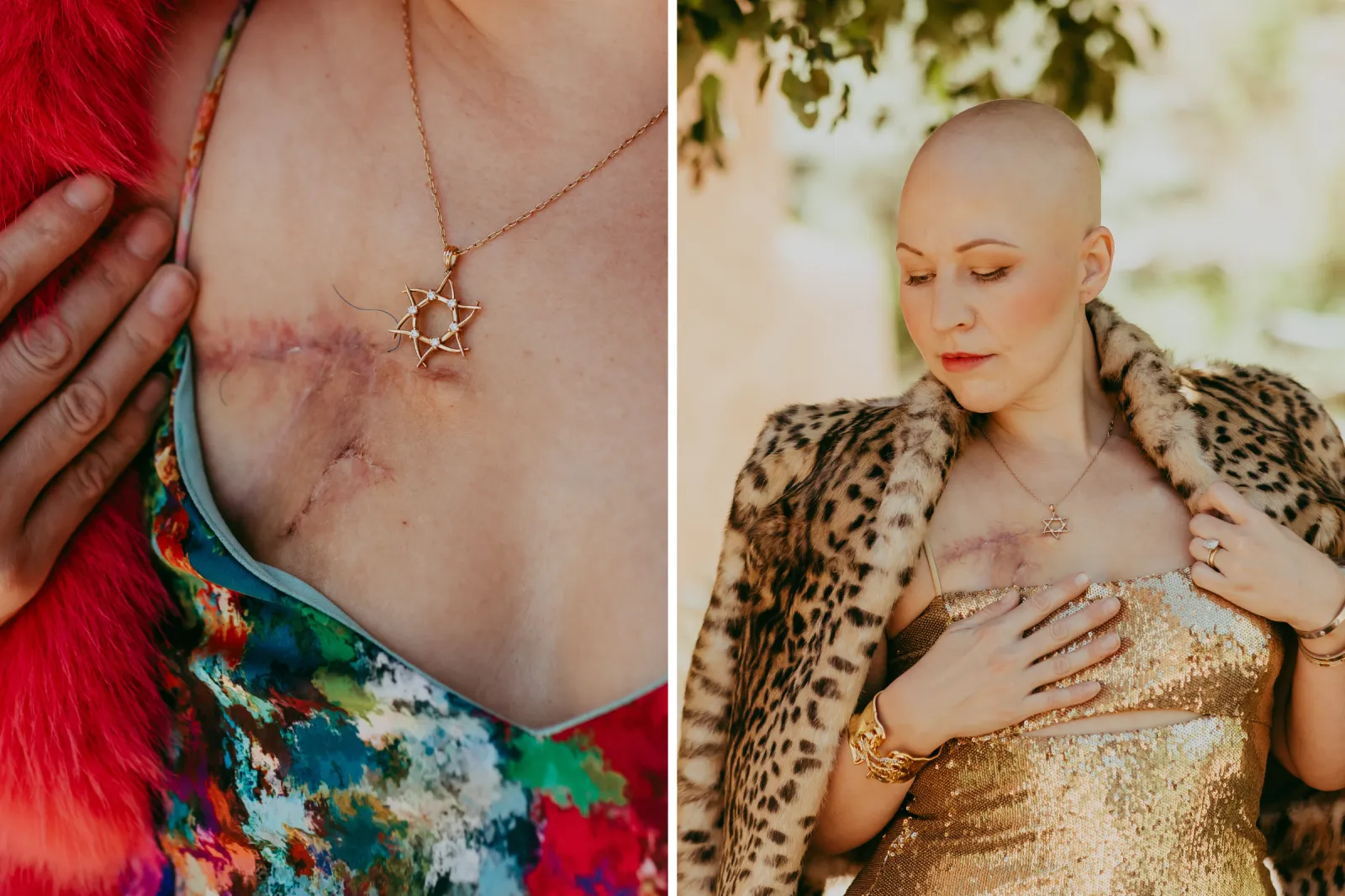
The mass had grown outside my body into a fungating tumor the size of a softball on my right breast. I had a right-side mastectomy on September 10, 2025, and the recovery was hard. I had a drain and could not sit up without help.
My husband, parents, and family rallied around me. For someone who had spent her life being fiercely independent, learning to accept help was a lesson in itself.
But it was not over. I then found the second lump, which we named Voldemort, on November 13. It was a small bump above the incision and, at first, I thought it was my rib.
A biopsy confirmed recurrence; it was metastatic metaplastic spindle cell carcinoma. I underwent IVF and began a clinical trial that December.
...
By April 13, 2026, I found a third mass (that I called Goliath) and we did surgery to remove it in May.
On May 26, I felt a lump again on the Voldemort incision. We did another biopsy and it was a fourth recurrence.
There were also two small dots on the Goliath incision, which makes us think the whole breast is seeded. I was scheduled to do radiation immediately once the surgery site healed, but the tumor grew too big before we could start.
People often ask whether I use holistic or Western medicine. The truth is, I've tried almost everything. I've spent hundreds of thousands of dollars, traveled the world, fasted for 40 days, and worked with some of the best oncologists.
Cancer is humbling, and it doesn't care about your ideology.
When I was trying to heal naturally, part of me was trying to control the outcome. I thought if I ate perfectly, fasted long enough, prayed hard enough, or found the right protocol, I could outsmart cancer.
I had to accept that I didn't have complete control. I also had to confront my fear of conventional treatment. I was convinced the chemotherapy would kill me. It didn't. It allowed me to keep fighting.
‘Cancer Was the First Thing I Could Not Control’
I knew I needed to take medical leave immediately after the diagnosis. I handed decision-making over to the executive team and assumed I would deal with this quickly, then come straight back.
But life had other plans.
Deciding to step away from the CEO role was far harder. My work was my identity. I didn’t know who I was without it.
Before my diagnosis, I thought that, if you worked hard enough, you could create the life you wanted. Cancer shattered that illusion. It forced me to accept uncertainty and stop treating life like a problem to solve.
Cancer was the one thing I could not control, and it led to the greatest period of self-discovery in my life.
Before diagnosis, I was intensely focused on achievement. I had built companies and spent years chasing success.
I genuinely believed I was living my purpose, but cancer showed me how much of my identity was tied to what I achieved rather than who I was.
When you are faced with mortality, the distractions fall away. I had to confront my fears, my ego, my relationships, and the ways I had been using work to avoid difficult truths and fill every empty space.
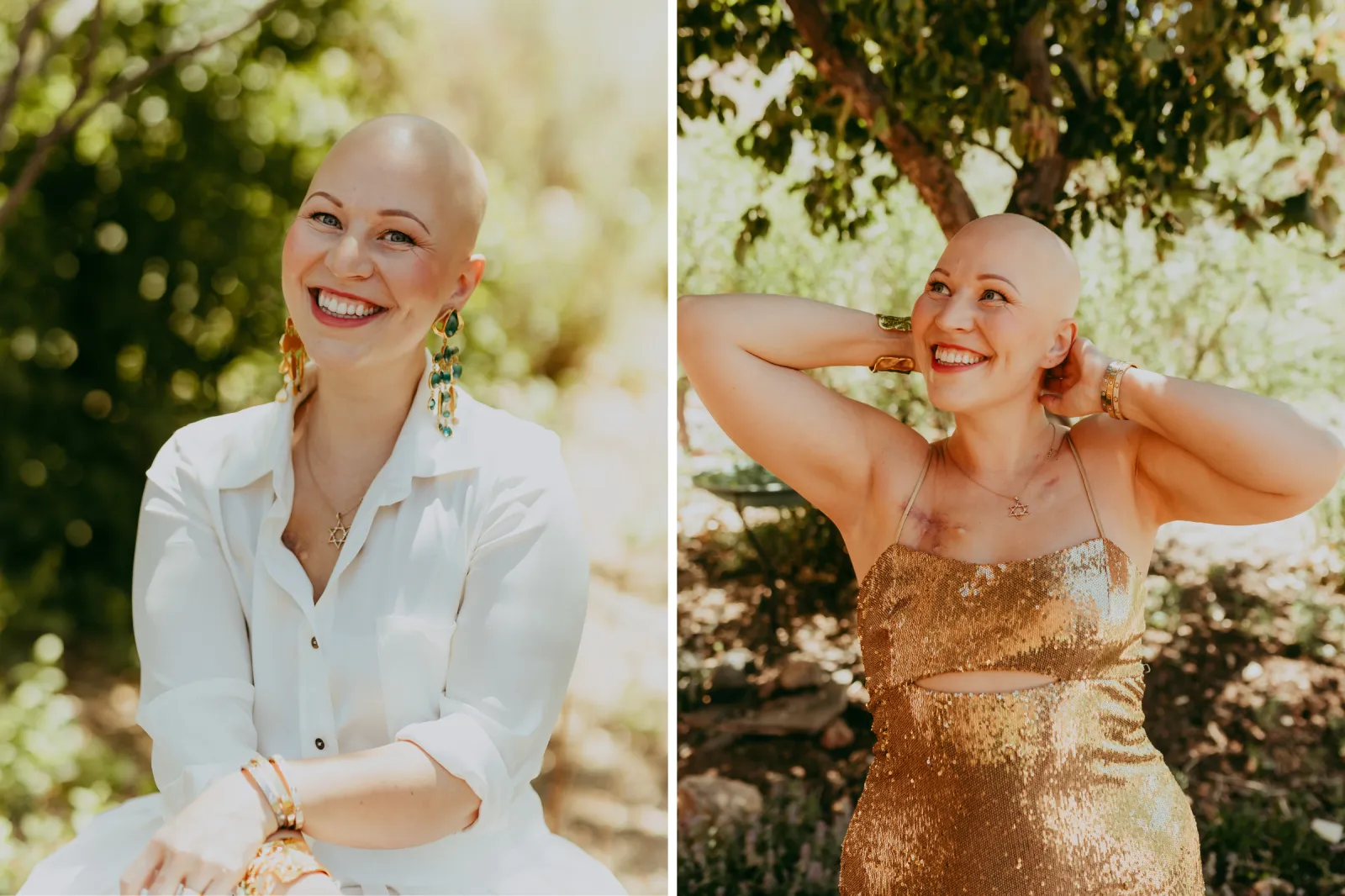
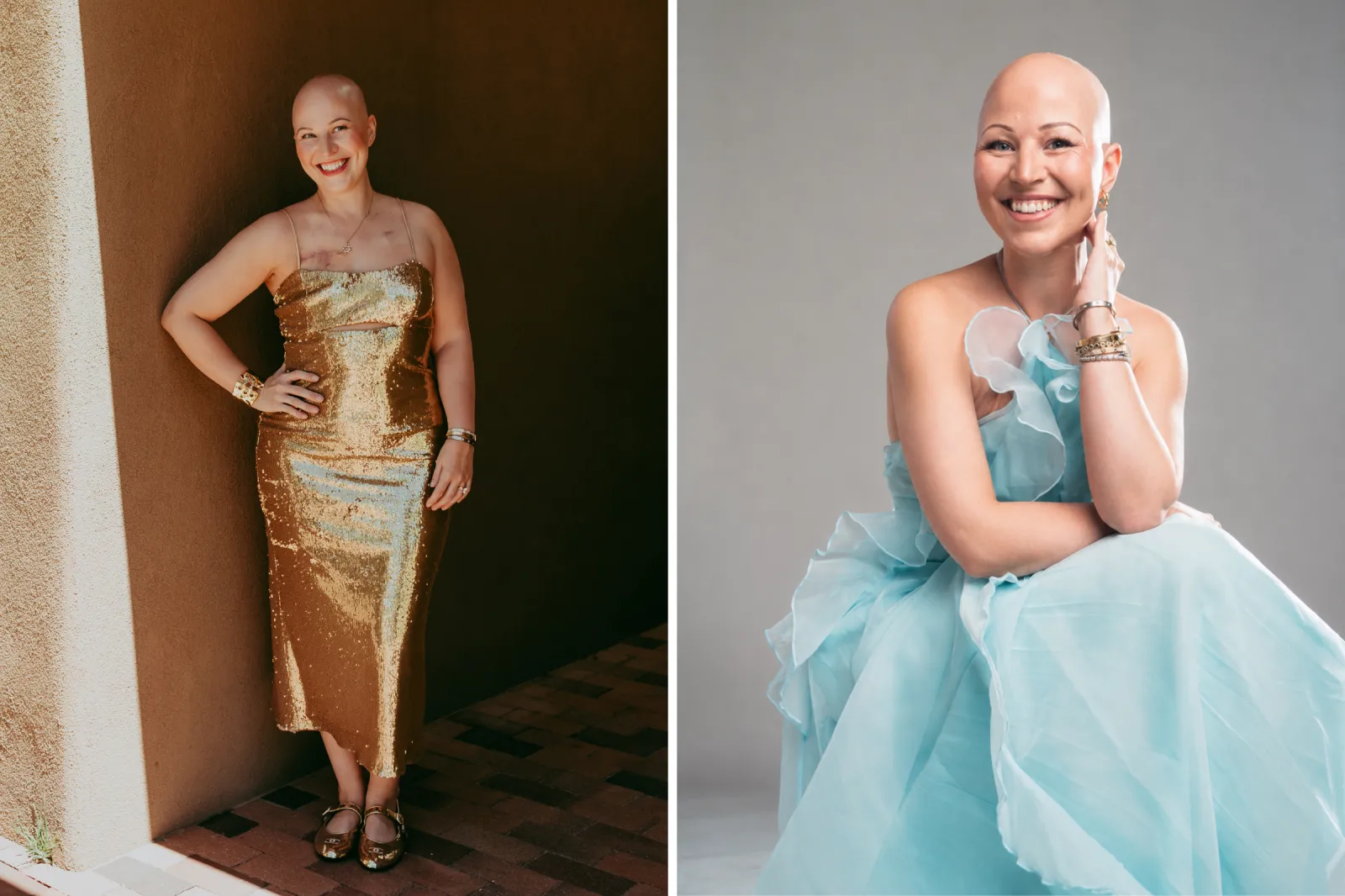
Since then, I have focused on unconditional self-love.
...
Now I know what I love, who I am, and why I am here.
Perhaps most importantly, cancer taught me compassion. You never know what someone is battling.
Cancer transformed me in ways I could never have imagined. It stripped away what was superficial and revealed what was essential.
I still believe in adding value to society through ambition and success, but I no longer see those as the point.
Cancer taught me that money, status, and achievement are tools, not purposes. What matters most is love, faith, meaningful relationships, and how we show up for one another.
As strange as it sounds, cancer did not just teach me how to fight for my life; it taught me how to truly live it.
The hardest part wasn't losing my breast or even the fear of dying. It was realizing how many things I had built my identity around could disappear overnight.
Don't get so lost chasing success that you forget to build a life. Choose to be the light as often as you can.
When life feels it is falling apart, make sure to leave room for the possibility that something meaningful is unfolding that you cannot yet see.
Tegan Kline, 33, resides in New Mexico with her husband. Tegan was listed in Forbes’ 30 Under 30 in 2022, but after stepping back from her businesses, she has been documenting her cancer journey on social media (@theklineventure on TikTok and Instagram).
She hopes to provide a supportive space for women and other cancer patients, as well as inspiring others not to fear diagnosis or treatment.
View 0 Comments
Submit Correction
View Editorial & AI Guidelines