10
Loading video...


By Jon Jackson and Rachel Dobkin
0
Share
Newsweek is a Trust Project member
See more of our trusted coverage when you search.Prefer Newsweek on Googleto see more of our trusted coverage when you search.
What's New
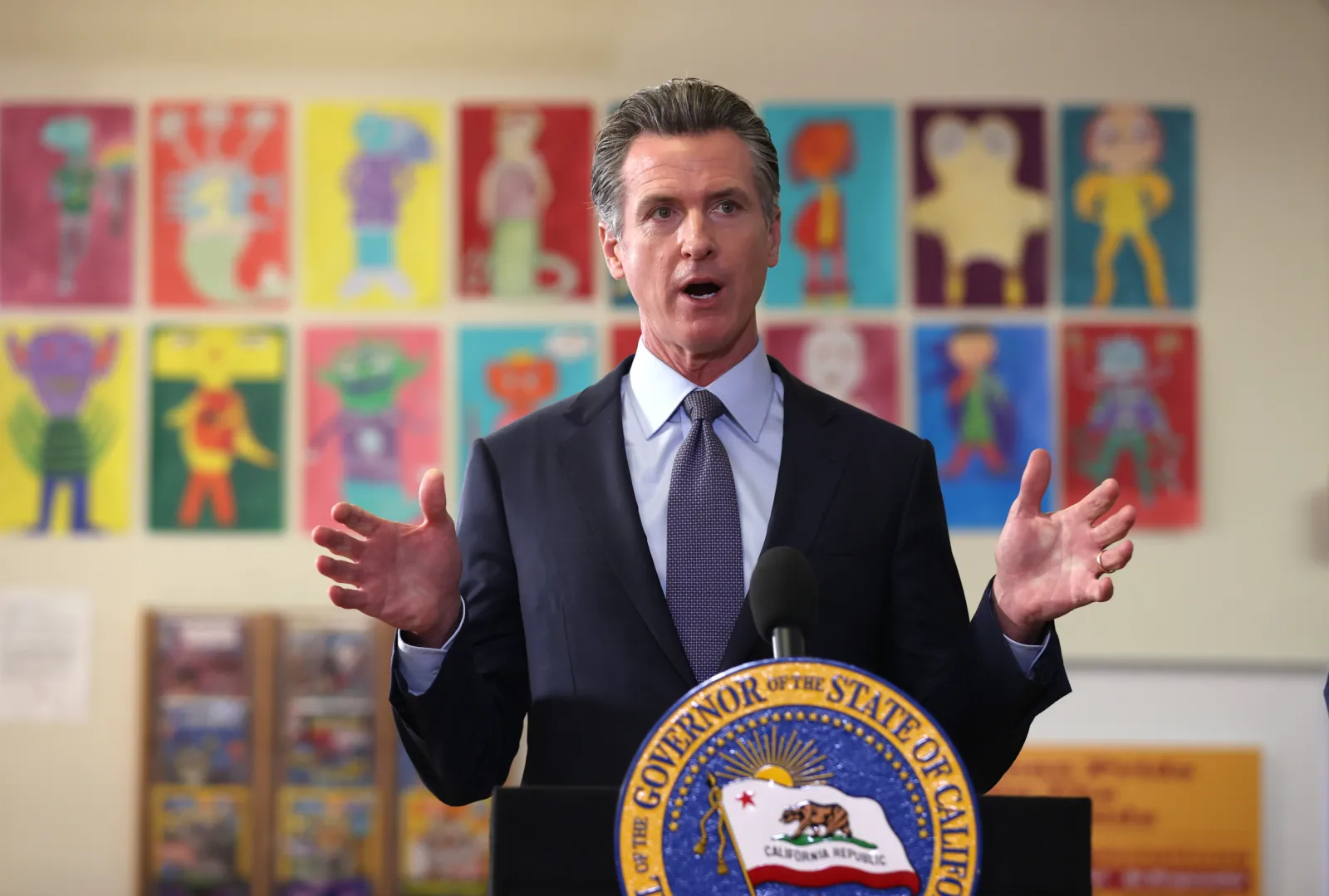
California Governor Gavin Newsom, a Democrat, issued an emergency proclamation on Wednesday in response to bird flu cases in the state.
Why It Matters
Bird flu is mostly found in poultry and wild birds with 123.7 million poultry affected as of Monday and 10,852 wild birds affected as of Tuesday, according to the Centers for Disease Control (CDC). Meanwhile, the U.S. Department of Agriculture (USDA) announced in late October that the first case of bird flu in a pig was detected in Oregon.
Read More on News
The virus has even spread to humans with a total of 61 confirmed cases across eight states, the CDC says. In 37 cases, the patient was exposed to infected cattle. Meanwhile, 21 infected people were exposed to poultry. In one case, the patient was exposed to another type of animal and in two cases, the source of the infection was unknown.
A majority of the bird flu cases, 34 to be exact, have been from California. Health officials, meanwhile, say the risk to people from bird flu remains low. Bird flu can spread from infected birds to other animals and humans. No person-to-person spread of the virus has been detected.
Meanwhile, the first known severe illness in the U.S. caused by bird flu was confirmed by the CDC last week and announced on Wednesday. A person in Louisiana was hospitalized in critical condition with severe respiratory symptoms from a bird flu infection, according to state health officials. The patient had been in contact with sick and dead birds in a backyard flock, according to the CDC. Louisiana health officials said the patient is older than 65 and has underlying medical conditions.
...
What To Know
A statement from the governor's office characterized the move as a "proactive action to strengthen robust state response" to avian influenza A (H5N1), also known as bird flu.
"This proclamation is a targeted action to ensure government agencies have the resources and flexibility they need to respond quickly to this outbreak," Newsom said in a statement. "Building on California's testing and monitoring system—the largest in the nation—we are committed to further protecting public health, supporting our agriculture industry, and ensuring that Californians have access to accurate, up-to-date information."
He added, "While the risk to the public remains low, we will continue to take all necessary steps to prevent the spread of this virus."
What People Are Saying
Keith Poulsen, director of the Wisconsin Veterinary Diagnostic Laboratory, told Newsweek: "Governor Newsom's declaration of emergency is a red flag indicator of how devastating this virus can be to dairies and poultry and the importance of having appropriate resources dedicated to mitigating the virus in an affected state, or preventing the virus from moving into a new state.
"The USDA announced today the additional states participating in regular surveillance as the first step in virus elimination for the U.S., and we now have approximately 50 percent of dairy production states participating in the solution to reach that goal. Early detection by regular surveillance, as described in the recent Federal Order, is a great first step to avoid the need for additional states to declare animal health emergencies."
Angela Rasmussen, a virus expert at the University of Saskatchewan in Canada, told The Associated Press: "We may see more cases of severe disease in the U.S. since cases seem to be growing more frequent."
What Happens Next
California has been working to minimize bird flu exposures to farm workers, reduce raw dairy product contamination, and make the spread of the virus less severe.
The state's efforts have included distributing millions of pieces of personal protective equipment (PPE) to high-risk dairy farm workers and using social media to promote practices that prevent the spread of the virus.
Meanwhile, earlier this month, the USDA ordered testing of the nation's milk supply for bird flu to help monitor the spread of the virus in dairy cows.
The USDA said that raw or unpasteurized milk from dairy farms and processors across the country must be tested on request starting on December 16. Testing will begin in six states: California, Colorado, Michigan, Mississippi, Oregon and Pennsylvania.
This article includes reporting from The Associated Press.
Update 12/18/24, 4:35 p.m. ET: This story has been updated to include more information.
Update 12/18/24, 6:16 p.m. ET: This story has been updated to include more information.
Update 12/19/24, 10 a.m. ET: This story has been updated to include comment from Keith Poulsen.
View 0 Comments
Submit Correction
View Editorial & AI Guidelines