
...

By Amanda Greenwood
Associate News Editor
0
Share
Newsweek is a Trust Project member
See more of our trusted coverage when you search.Prefer Newsweek on Googleto see more of our trusted coverage when you search.
California’s long‑running struggle to regulate and ticket so-called autonomous vehicles may soon be over, with the state passing new laws that will see traffic cops finally able to cite the vehicles for moving violations. But not until much later in 2026.
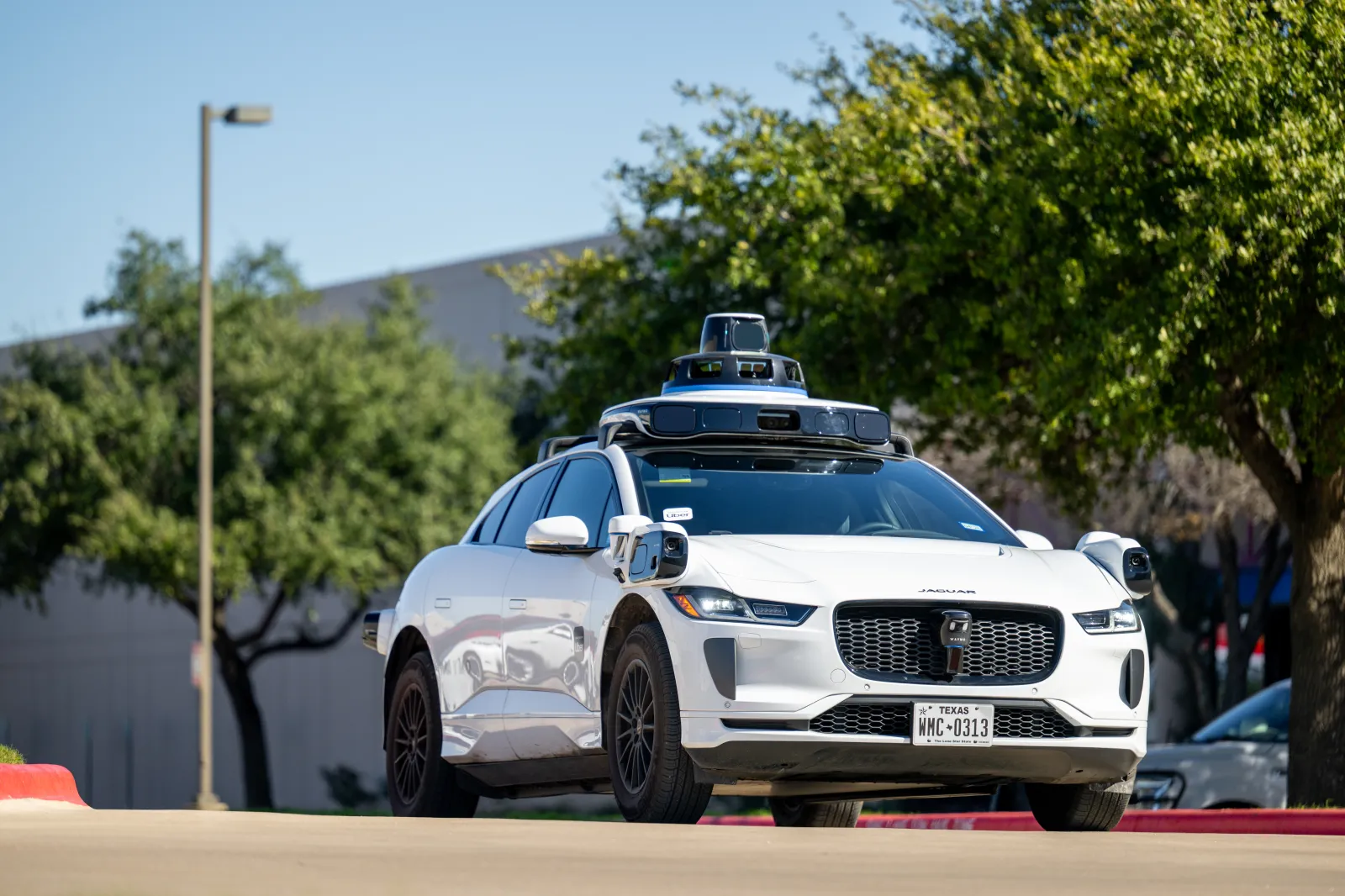
The actions of autonomous vehicles have come into focus across several states, as records show that Waymo’s driverless taxis have accumulated hundreds of traffic and parking violations, largely because state law limits how driverless cars can be ticketed.
According to data reviewed by the San Francisco Chronicle, Waymo (an American autonomous driving technology company and Alphabet subsidiary) vehicles received hundreds of parking‑related citations in San Francisco. Automotive News stated that in 2024 alone, these violations generated more than $65,000 in fines.
Read More on Autos
Most violations involved parking in restricted zones, blocking traffic during passenger pickups, and ignoring street‑cleaning rules.
...
No Human, No Ticket
California’s traffic laws are written on the assumption that a human driver is responsible for driving. For things such as speeding or running a red light, an officer has to issue the ticket to a person.
Because fully driverless cars don’t have a human driver, police legally can’t issue those kinds of “moving violation” tickets to them. There’s simply no one behind the wheel to cite. As a result, cities are limited in how they can enforce the law against driverless vehicles.
One of the few things they can still ticket is parking violations—because parking tickets are issued to the vehicle (or its owner), not to a driver.
City and state officials say the ticketing numbers illustrate a mismatch between 20th‑century vehicle codes and fast‑evolving autonomous technology. Even when police stop Waymo vehicles for illegal maneuvers, officers are often unable to issue traditional citations if no human driver is present, instead forwarding incident reports to regulators.
How California Compares With Texas and Arizona
California’s approach contrasts sharply with Texas and Arizona, where laws were updated earlier in 2025 to allow drivers—or regulators—to hold autonomous vehicle operators directly responsible for violations.
In Arizona, autonomous vehicles are subject to all traffic laws, including moving violations.
State law explicitly allows police to issue citations to the operating company, which is legally treated as the “driver” when no human is present. Law enforcement agencies routinely initiate traffic stops involving Waymo vehicles and issue tickets when violations occur.
Texas has also moved to tighten oversight. Under Senate Bill 2807, companies operating driverless vehicles must obtain authorization from the Texas Department of Motor Vehicles (DMV) and comply with all traffic laws.
Beginning May 28, 2026, Texas law enforcement can issue penalties tied to violations, and regulators have the authority to limit or suspend operations following serious safety incidents.
Cities such as Austin have pushed for even stronger enforcement—including mandating that autonomous vehicles stay out of a 1,000-foot radius for an hour during serious emergencies—after reports of Waymo vehicles blocking first responders, according to reporting by AOL.
By contrast, California lawmakers only recently passed legislation that will allow officers to cite autonomous vehicles for moving violations—but the law does not take effect until later in 2026, leaving a regulatory gap in the meantime.

...
What Happens Next
Transportation experts say California’s delayed enforcement powers could become more controversial as robotaxi fleets expand statewide. While supporters argue that autonomous vehicles reduce crashes caused by human error, critics warn that uneven accountability undermines public trust and complicates enforcement for police and cities already battling congestion.
As states like Texas and Arizona treat driverless cars much like human drivers under the law, California’s parking ticket workaround may soon give way to broader enforcement—finally placing autonomous vehicles on equal footing with everyone else on the road.
View 0 Comments
Submit Correction
View Editorial & AI Guidelines