10
Loading video...

By Rachael O'Connor
Reporter
0
Share
Newsweek is a Trust Project member
See more of our trusted coverage when you search.Prefer Newsweek on Googleto see more of our trusted coverage when you search.
A new technique to fight solid tumors could change the way cancer is treated, researchers believe.
CAR-T cell therapy has been a major breakthrough in cancer treatment for over a decade, particularly blood cancers, and for patients who may previously have run out of options for treatment.
The relatively new treatment adds a lab-made gene to the patient's T cells, which helps the cells detect and kill cancerous cells, according to the Cleveland Clinic. It is used when other treatments are not effective, or when blood cancer comes back.
Read More on Science
Until now, the treatment has not been effective against solid tumors, which lack a clear target for the CAR-T cells.
However, researchers at the USC Viterbi School of Engineering have discovered a new approach using focused ultrasound, which may give the CAR-T a more specialized target.
Researcher and doctoral student Tianze Guo told Newsweek that they discovered a way to "give hard-to-target tumors a temporary marker that CAR-T cells can see. The system senses a tumor signal—such as low oxygen—and combines it with focused ultrasound that the doctor aims at the tumor."
The new approach, called SHIFTERS, acts to make tumor cells briefly display CD19, a marker that CAR-T cells recognize as a target.
It has been called "revolutionary" by researcher Peter Yingxiao Wang, the Dwight C. and Hildagarde E. Baum Chair in Biomedical Engineering and professor in the Alfred E. Mann Department of Biomedical Engineering.
He said in a press release in EurekAlert! that the new approach is a promising new direction for treating solid tumors—though he believes the technology will require years more advances and funding before becoming available in a clinical setting.
...
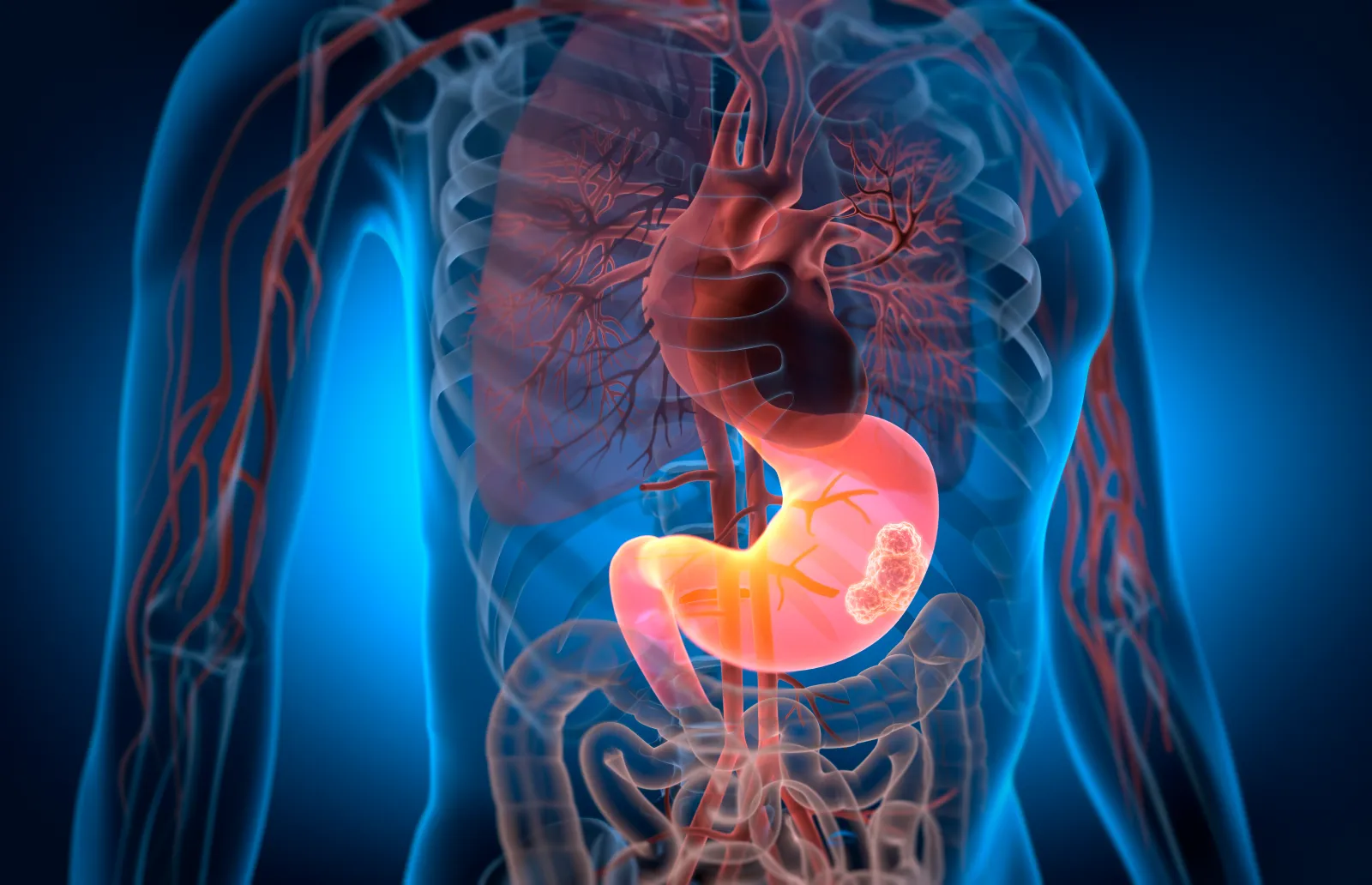
Solid tumors have low oxygen, and outgrow their blood supply as they grow, leaving cancer cells oxygen-starved. USC researchers designed SHIFTERS as a two-tiered attack, to recognize the low oxygen condition as a target, alongside a focused ultrasound that can target tissue inside the body without the use of surgery.
Guo told Newsweek: "Only where both signals meet do tumor cells display the marker, directing CAR-T cells exactly where to attack. The goal is to make solid tumors easier to recognize while giving doctors control over where and when treatment switches on."
Previous research had tried to find a marker that appears only on solid tumors and nowhere else on the body, but the new approach forces the tumors to produce the unique marker.
Testing of the approach began on cancer cells grown in the laboratory, followed by tumor models that resemble real tumors, and then on animals.
It found that CAR-T cells issued a much stronger attack than previously against solid tumors when using the ultrasound method, and the tumors shrank dramatically.
And not every tumor cell needed to display the temporary marker, which lasts for around a week. Just 10 to 25 percent of the cells were enough to launch the immune attack, destroying neighboring cancer cells throughout the tumor.
The research is promising, but so far is experimental, and has yet to be tested on humans.
Guo told Newsweek: "The biggest hurdle is finding a practical way to deliver the SHIFTERS genetic program directly into tumors.
"We are considering using two delivery methods, lipid nanoparticles and modified viruses, before moving on to larger animal studies and, eventually, human trials."
Reference
Tianze Guo et al., Ultrasound priming gated by solid tumor hallmarks to guide CAR-T therapy. Sci. Adv.12,eaed0666(2026). DOI:10.1126/sciadv.aed0666
Contact Newsweek editors on this story: Sirena Bergman and Emma Lee-Sang
View 0 Comments
Submit Correction
View Editorial & AI Guidelines