...

By Amanda Greenwood
Associate News Editor
0
Share
Newsweek is a Trust Project member
See more of our trusted coverage when you search.Prefer Newsweek on Googleto see more of our trusted coverage when you search.
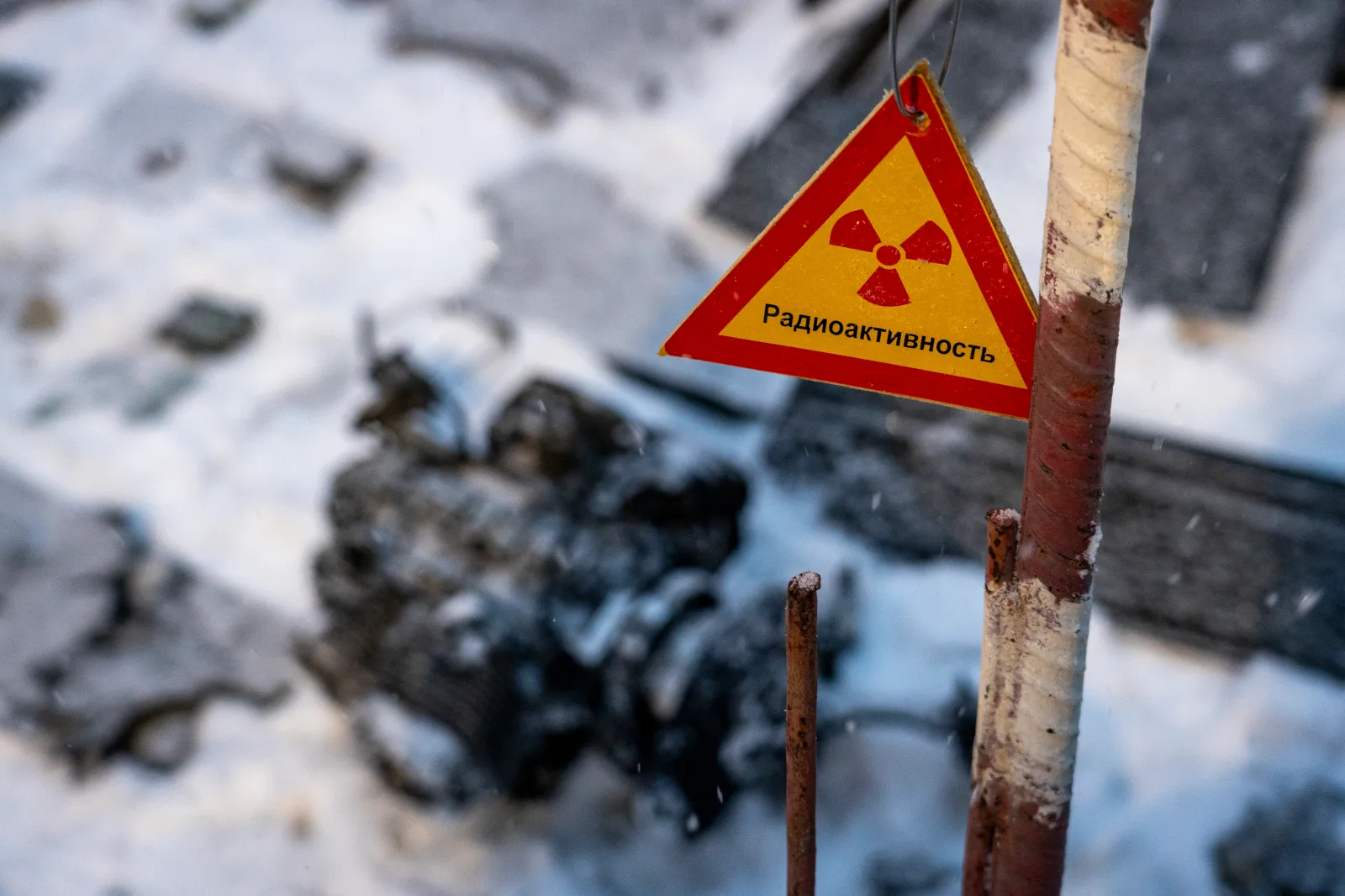
The protective radiation shelter for the Chernobyl nuclear power plant—designed to contain radiation from Reactor 4, which was damaged during the 1986 explosion—could collapse if it’s struck again by Russian missiles or drones, warned plant director Sergiy Tarakanov.
In a recent interview with the Agence France-Presse, he said: "If a missile or drone hits it directly, or even falls somewhere nearby, for example, an Iskander, God forbid, it will cause a mini-earthquake in the area. No one can guarantee that the shelter facility will remain standing.”
...
Read More on News
Why it Matters
The 1986 Chernobyl disaster was the worst nuclear power accident in history. The very high levels of radioactivity released by the flawed Soviet reactor situated 65 miles north of Kyiv were detected in Sweden, forcing Soviet officials to admit the disaster.
If the protective radiation shelter collapses, radioactive dust and particles could escape from the damaged Reactor 4, putting Ukraine and neighboring regions at risk of contamination.
What To Know
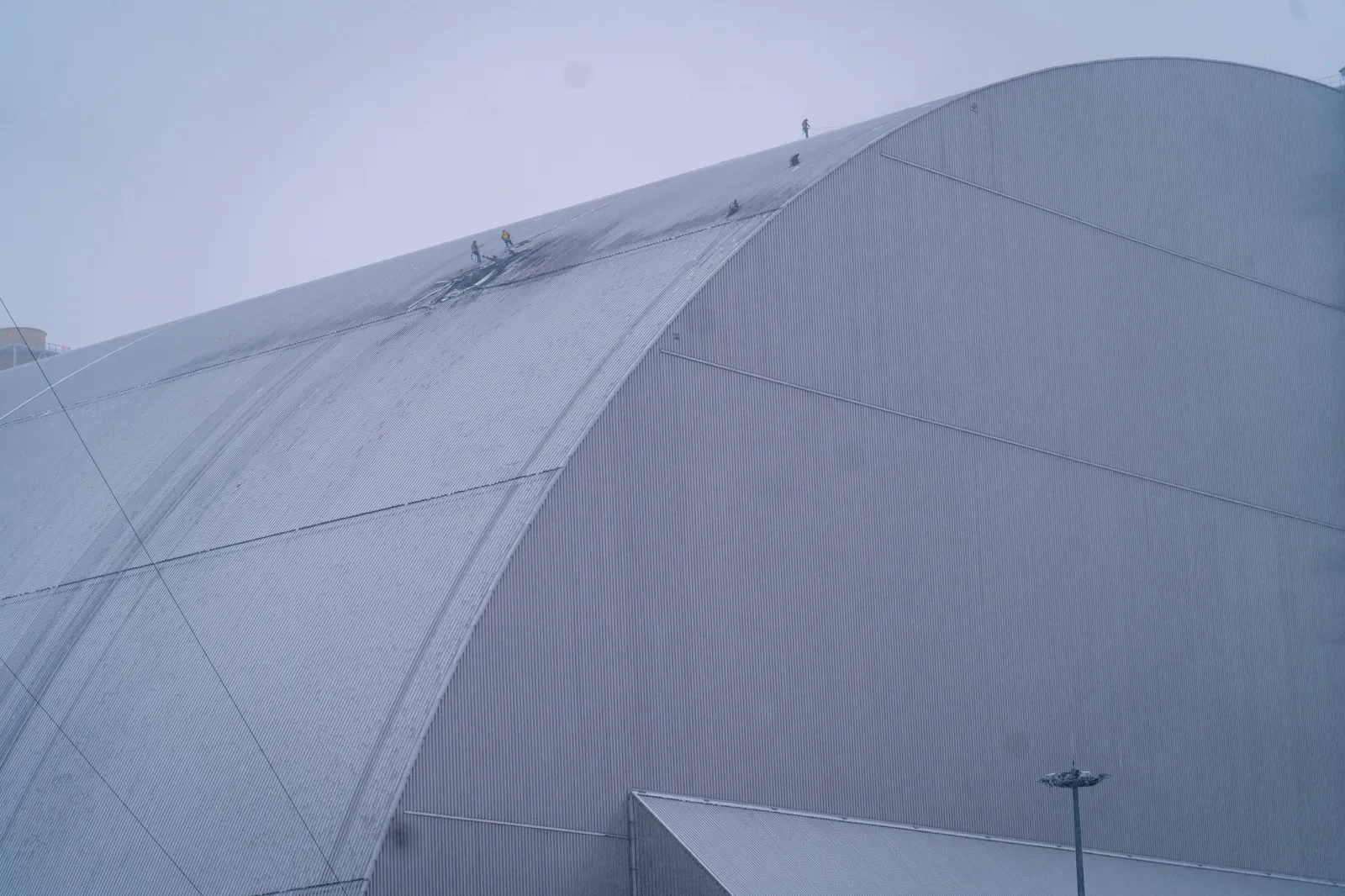
Chernobyl’s radiation shelter has an inner shell, known as the Sarcophagus, and an outer shell, called the New Safe Confinement (NSC), which has been built as a protective shield over the reactor.
A Russian drone strike in February 2025 caused significant damage to the NSC, puncturing a hole in the steel structure and igniting a major fire. Although no permanent damage was caused to any load-bearing elements or monitoring systems, the International Atomic Energy Agency (IAEA) inspection team did confirm that the NSC had “lost its primary safety functions, including the confinement capability.”
The drone strike left a large hole in the NSC’s roof and resulted in around 300 smaller holes caused by firefighter efforts to control the ensuing blaze. Repairs to the outer shell are ongoing, with a temporary screen covering the main opening, but the site remains at risk from further attacks.
In the AFP interview reported by The Kyivi Independent, Tarakanov estimates that it could take three to four years to fully restore the NSC’s safety functions, but noted that radiation levels at the site currently "remain stable and within normal limits."
What People Are Saying
Plant director Sergiy Tarakanov said in his interview with AFP: “If a missile or drone hits it directly, or even falls somewhere nearby, for example, an Iskander, God forbid, it will cause a mini-earthquake in the area. No one can guarantee that the shelter facility will remain standing after that. That is the main threat.”
“Our NSC has lost several of its main functions. And we understand that it will take us at least three or four years to restore these functions.”
IAEA’s Director General Grossi said: “Limited temporary repairs have been carried out on the roof, but timely and comprehensive restoration remains essential to prevent further degradation and ensure long-term nuclear safety.”
What Happens Next
Risks are likely to remain high during the shelter repairs, as additional strikes could lead to a collapse of the inner sarcophagus—a scenario with potentially grave radioactive consequences.
View 0 Comments
Submit Correction
View Editorial & AI Guidelines