...

By Micah McCartney
Reporter
0
Share
Newsweek is a Trust Project member
See more of our trusted coverage when you search.Prefer Newsweek on Googleto see more of our trusted coverage when you search.
China’s leadership has pledged to roll out new policies to encourage "positive attitudes toward marriage and childbearing" amid mounting concern over the country’s rapidly aging population.
The plan will include a slate of measures to expand child care support, promote employment, and address the growing needs of the country’s "silver economy."
Why It Matters
An estimated two-thirds of the world’s population now lives in countries with fertility rates below the level needed to sustain population growth. China has one of the world’s lowest, with a total fertility rate of around 1.0, and births fell by 17 percent in 2025. Authorities introduced a raft of new measures last year, but many analysts say deeper reforms will be needed.
Read More on World
Adding to the demographic challenge, a shrinking workforce has to support record numbers of retirees, adding pressure on China’s modest social safety nets.
Newsweek has reached out to China’s Foreign Ministry by email with a request for comment.
...
What To Know
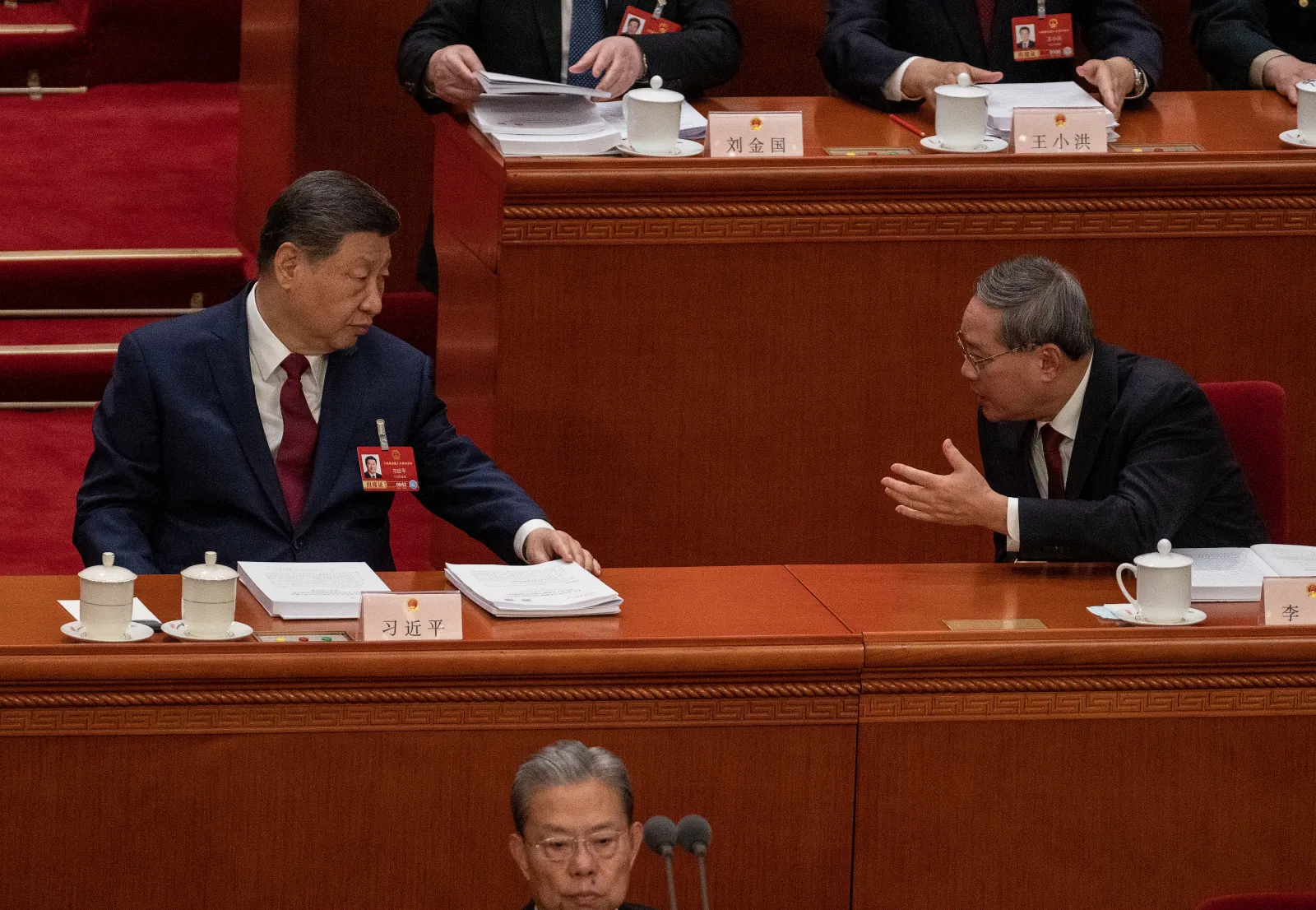
Authorities will increase support for child care services, childbirth costs and other pro-natal policies to "build a fertility-friendly society," according to a government report unveiled Thursday as China’s top legislature, the National People’s Congress, convened its annual weeklong meeting.
Officials also pledged to expand the middle class and reform the social security system so coverage becomes more universal, standardized and equitable across rural and urban areas. The government said it would improve employment quality and capacity, including expanded vocational training and stronger worker protections.
China has set its target urban unemployment rate at "around 5.5 percent" after posting 5.3 percent last year. Since the end of the country’s strict anti-COVID measures in late 2022, youth unemployment has remained elevated, with jobless rates of 15 percent or more among those aged 16 to 24.
To address population aging, the government said it would strengthen development of elderly care services and related industries to ensure "a rich and fulfilling life for the elderly."
What People Are Saying
George Magnus, a research associate at Oxford University’s China Centre, wrote in a recent analysis: "Despite the slump in fertility and the resulting adverse labor market, financial and economic consequences, governments can compensate for the decline in the labor force, especially because demographic change, unlike other economic and financial shocks, is at least glacial.
"All the time, it is getting older because there are not enough young people growing up to replace the workers reaching pensionable age. The economic, social and even geopolitical implications of this demographic tide are of great significance."
What Happens Next
The policy push follows an unprecedented nationwide rollout of pro-natal measures in 2025, including cash allowances for a child’s first three years, expanded coverage of pregnancy-related medical costs and reforms to ease marriage registration.
It remains unclear whether such incentives can reverse the country’s declining birth rate.
View 0 Comments
Submit Correction
View Editorial & AI Guidelines