...

By Micah McCartney
Reporter
0
Share
Newsweek is a Trust Project member
See more of our trusted coverage when you search.Prefer Newsweek on Googleto see more of our trusted coverage when you search.
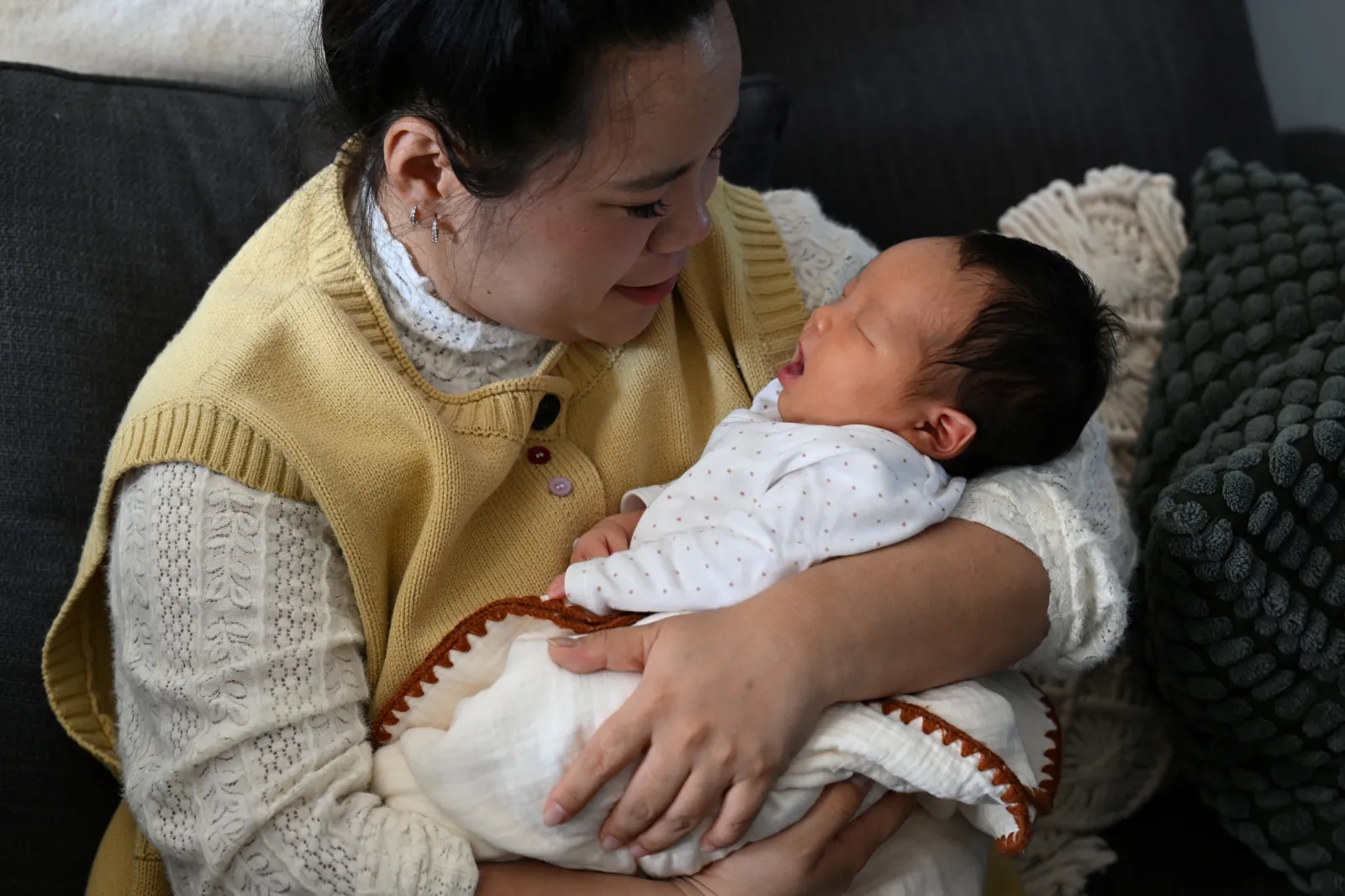
Beijing will significantly expand childcare subsidies in hopes of putting the brakes on the China's birth rate decline, the Ministry of Finance said Tuesday.
The central government will allocate 99.9 billion yuan ($13.9 billion) for local government initiatives that support care for infants and young children, a 10.6 percent increase from last year, the ministry said.
The funding will bring total childcare subsidies to about 110 billion yuan ($15.3 billion), according to ministry estimates. It added that the distribution of subsidies has proceeded "smoothly and orderly" so far this year.
Read More
China Makes Condoms More Expensive To Boost Birth Rates 3 min read

China’s Population Suffers Blow With Historic Low Births3 min read

China Blocks Population Debate Online3 min read

...
Why China Is Spending More on Families
The rising cost of living, along with changing attitudes toward parenthood and a hypercompetitive workforce, are driving many younger Chinese to delay or forgo child-rearing.
The central and local governments have ratcheted up spending on prenatal policies as existing programs fail to change their minds. Since last year, authorities have introduced $500 cash subsidies for each child under the age of 3, waived tuition at public preschools, and begun covering all childbirth-related medical costs.
China has also taken steps to address what authorities see as barriers to childbirth from the other end of the equation.
Since January, condoms have been subject to a 13 percent value-added tax after authorities removed a 33-year-old exemption for contraceptive drugs and devices. The move had an immediate impact. Sales of Durex, China's top-selling condom brand, fell 5 percent in the first quarter, according to estimates by investment bank Jefferies based on the company's earnings, the Financial Times reported.
Will the Measures Work?
Many experts say it's too little, too late.
"The additional funding signals a greater willingness to use fiscal policy to support families, said Xiujian Peng, a senior research fellow at the Centre of Policy Studies at Australia's Victoria University.
But while the subsidies provide some relief to parents, "their effectiveness ultimately depends on whether they are accompanied by broader measures to address the overall cost of child-rearing," she told Newsweek.
China's Fertility Rate Remains Among the World's Lowest
More than two-thirds of the world's population now live in countries with fertility rates below the replacement level of 2.1 births per woman. China's fertility rate is among the world's lowest, dipping to 0.97 births per women in 2025 from 1.02 in 2024.
The decline comes as China faces record numbers of retirees and struggles to boost domestic consumption, raising concerns among policymakers that a shrinking workforce and rapidly aging population will drag on the world's second-largest economy.
China's population of 1.41 billion shrank by roughly 2.4 percent last year, according to China's statistics bureau. The country recorded just 7.92 million births that year and 11.31 million deaths.
Update: 8:23 a.m. 61/2/26. This article has been updated with a comment from Xiujian Peng and additional information.
View 0 Comments
Submit Correction
View Editorial & AI Guidelines