...

By Micah McCartney
Reporter
0
Share
Newsweek is a Trust Project member
See more of our trusted coverage when you search.Prefer Newsweek on Googleto see more of our trusted coverage when you search.
Japan is set to be without pandas for the first time in more than half-a-century next week, a symbolic loss that comes as relations with China continue to deteriorate.
Why It Matters
The endangered animals are on loan under a 10‑year agreement that expired in 2021 and was later extended for five more years. At least one panda has lived in Japan since the two countries normalized diplomatic ties in 1972.
Read More on World
Japan’s failure to secure another extension is seen by observers as a sign of Beijing’s displeasure with Tokyo following Prime Minister Sanae Takaichi’s remarks about possible military intervention over China‑claimed Taiwan in early November.
Newsweek reached out to the Chinese Embassy in Tokyo by email with a request for comment.
What To Know
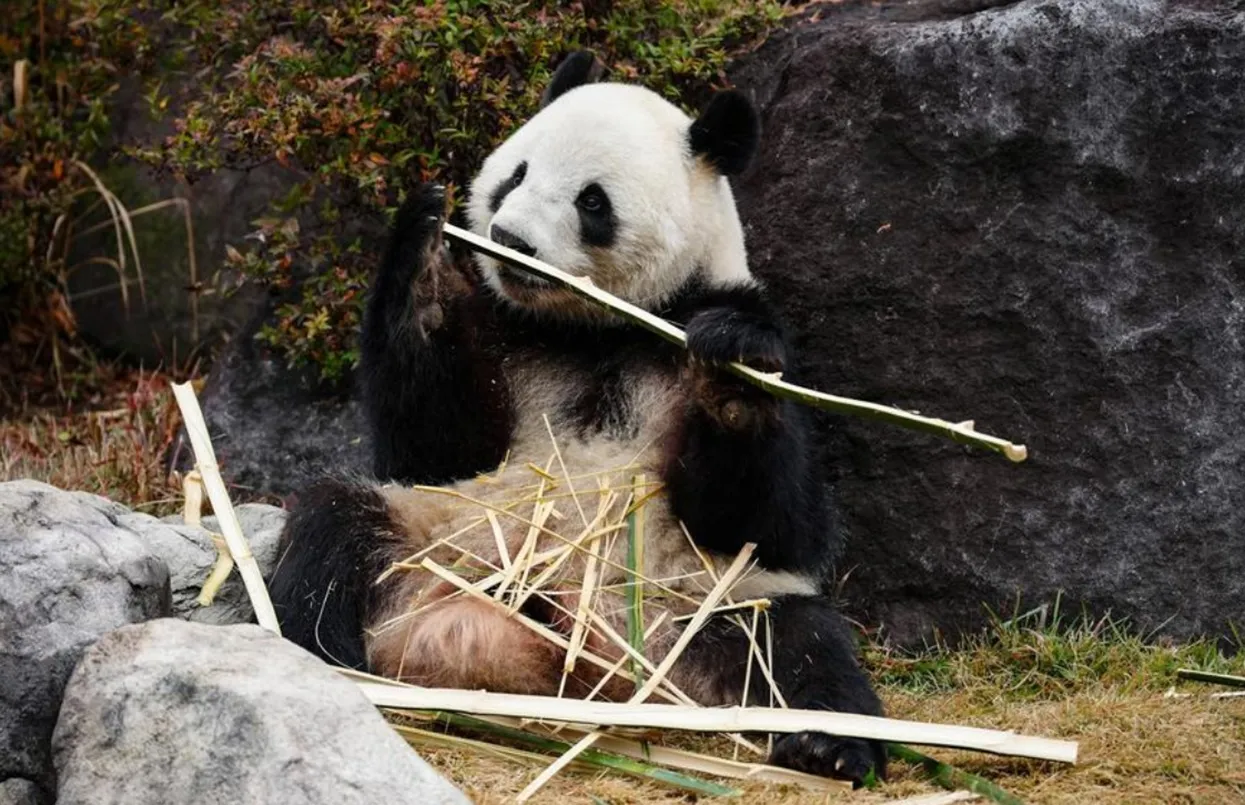
Giant panda twins Xiao Xiao and Lei Lei will depart Tokyo’s Ueno Zoo next week. They were born there on June 23, 2021.
"I know giant pandas are loved by many in Japan, and we welcome Japanese friends to come visit them in China," Chinese Foreign Ministry spokesperson Guo Jiakun told reporters Wednesday when asked what the animals' departure means for bilateral ties.
China has not directly linked the pandas’ return to these developments, though it has previously ended panda-lending agreements over past disagreements with the United State, and resumed them when ties warmed—in what Dennis Wilder, a senior fellow for Georgetown University's initiative for U.S.-China Dialogue on Global Issues, calls "punitive panda diplomacy."
...
Tokyo-Beijing relations have sharply deteriorated since November, when Takaichi broke with her predecessors and publicly outlined conditions under which Japan might join a military response if China moved against Taiwan.
Reprisals have included Chinese airlines canceling flights to Japan and several Japanese films being withheld from release in the country. Beijing also announced new restrictions on Japan-bound exports rare earth elements—critical to technologies from consumer electronics to missile guidance systems.
Xiao Xiao and Lei Lei were born at Ueno to mother Shin Shin and father Ri Ri. Both parents were returned to China in September 2024, and their older sister Xiang Xiang in February 2023.
What People Are Saying
Collin Koh, a senior fellow at the Institute of Defense and Strategic Studies, wrote on X: "I don’t want to let you keep the pandas anymore, because I don’t like what Takaichi said about Taiwan, but I still love Japanese tourist spending."
Yuriko Koike, governor of Tokyo, was quoted on December 15 by the Japanese daily newspaper Asahi Shimbun as saying: "I think there are various thoughts about the return of pandas, but I would like you to see them off warmly."
What Happens Next
Visitors will have their final chance to see the pandas on January 25 before they are flown back to China on January 27.
View 0 Comments
Submit Correction
View Editorial & AI Guidelines