
By Hollie Silverman
News Editor
0
Share
Newsweek is a Trust Project member
See more of our trusted coverage when you search.Prefer Newsweek on Googleto see more of our trusted coverage when you search.
Florida Attorney General James Uthmeier confirmed his office is now assisting in an ongoing criminal investigation into Sloth World Orlando, the planned tourist attraction where dozens of sloths imported from South America died before the facility ever opened.
The move follows months of public pressure, investigative reporting, and demands from lawmakers, including state Representative Anna Eskamani, a Democrat, who called the deaths a “failure of government” and urged state prosecutors to determine whether Florida’s animal cruelty laws were violated.
"Sloth World is filing for bankruptcy, and the remaining sloths have been turned over to the Central Florida Zoo for proper care," Uthmeier wrote in a post on X on Friday. "One of our Statewide Prosecutors is assisting the Ninth Circuit with the ongoing criminal investigation."
Read More on News
Newsweek reached out to Ben Agresta, owner of Sloth World Orlando, by email Saturday for comment.
...
What To Know
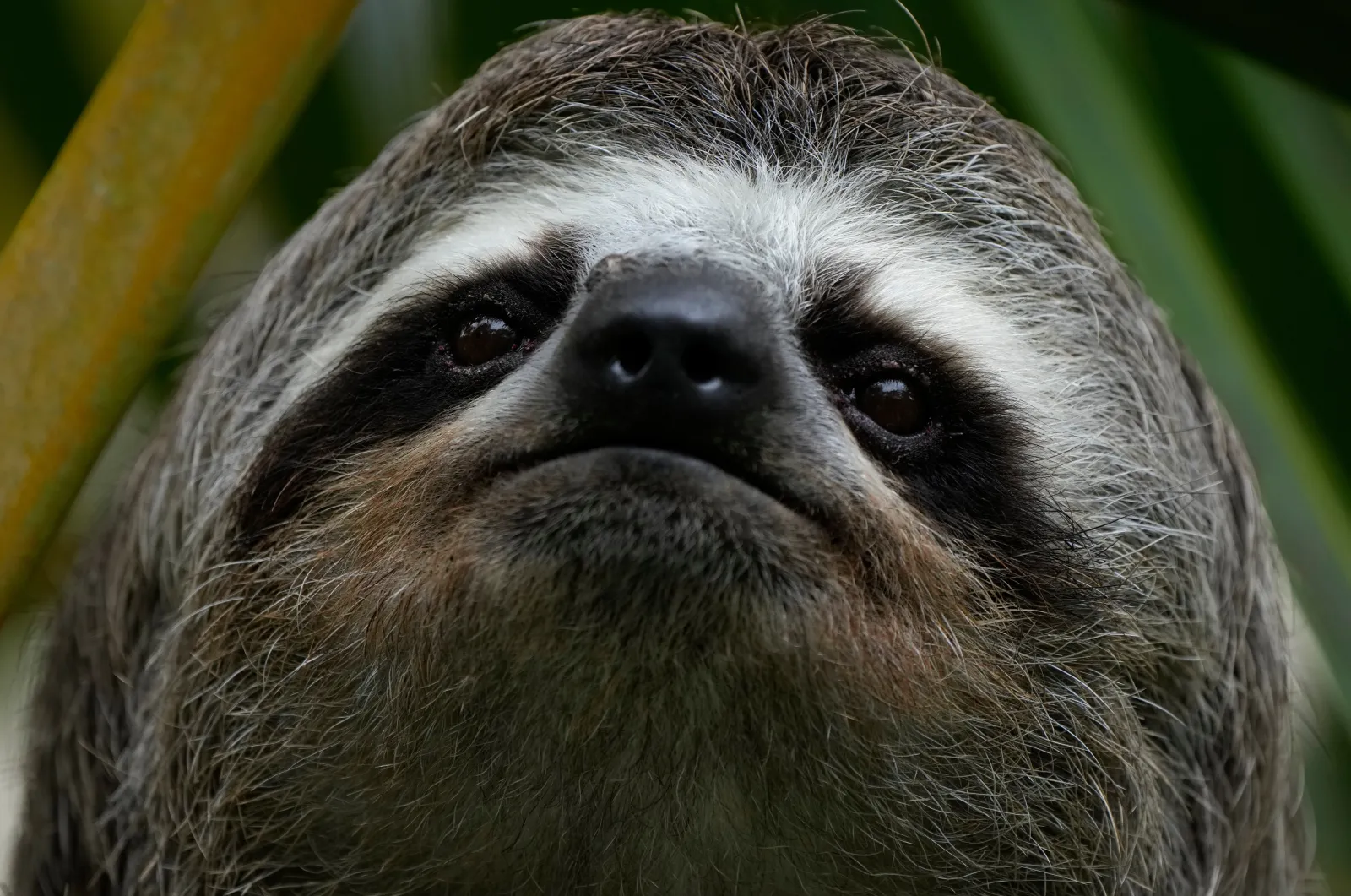
According to Florida Fish and Wildlife Conservation Commission (FWC) inspection reports, 31 sloths died between December 2024 and February 2025, many from cold exposure, viral infection, stress during transport, and being housed in an unheated warehouse while Sloth World Orlando was still under construction, local station WTSP reported. Additional shipments brought more deaths, with some sloths arriving dead on arrival.
Local station FOX 35’s investigative reporting found more than 50 sloths connected to Sloth World Orlando ultimately died under the company’s care.
The company has since filed for bankruptcy, with Agresta confirming to FOX 35 on Friday the world’s first “slotharium” will no longer be opening.
“It’s been rough on everybody. We expect to go under the bankruptcy immediately as with our sloth population in full control by AZA [Association of Zoos and Aquariums] and no plans to open, we have no other options,” he said.
The 13 surviving sloths were surrendered to the Central Florida Zoo, where several arrived in critical condition; at least one has since died. Zoo officials say the remaining animals are slowly stabilizing but face a long recovery.
One sloth, Habanero, was reported to be in critical condition by the zoo on Friday.
Animal‑rights groups, including PETA, have also called for state and federal charges, alleging Sloth World Orlando’s owners knowingly kept the animals in dangerous conditions.
What Did the Sloths Die From?
Necropsy results reviewed by The Sloth Institute paint a stark picture of the conditions the sloths endured before their deaths.
Examinations showed many suffered from severe malnutrition, with depleted fat reserves and muscle wasting indicating prolonged periods without adequate food. Several sloths were found to have untreated infections, including respiratory and gastrointestinal illnesses that would have required immediate veterinary intervention. The report notes these conditions were entirely preventable and consistent with chronic neglect.
Pathologists also documented environmental exposure injuries, including hypothermia‑related organ damage. Sloths, which require stable, warm temperatures, had been kept in unheated warehouse spaces, and necropsy evidence showed internal lesions associated with cold stress.
Some displayed signs of acute stress and trauma, including bruising and abrasions consistent with improper handling or transport. These findings align with earlier reports the animals were moved repeatedly between temporary holding areas without proper climate control.
The necropsies further revealed parasitic loads and dehydration, suggesting basic care protocols were not followed.
Several sloths had high levels of internal parasites that would normally be managed through routine veterinary care. Others showed signs of prolonged dehydration, including thickened blood and kidney strain, indicating they were not receiving consistent access to clean water.
"All of the sloths have been receiving regular care and checks, and our staff recently started to notice that Habanero was more lethargic," the zoo said in a post on Facebook. "Sloths, and many animals, often mask symptoms until they're much more severe."
According to the analysis, these conditions would have significantly weakened the animals and made them more susceptible to secondary infections.
Taken together, the necropsy findings point to a systemic failure in animal care, rather than isolated medical issues. Investigators say the results are now part of the evidence being reviewed in the state’s criminal investigation into Sloth World Orlando.
Why the Attorney General Stepped In
Uthmeier said a statewide prosecutor with expertise in animal welfare law has been assigned to assist the Ninth Circuit State Attorney’s Office. He pledged that his office “will ensure accountability wherever the evidence requires.”
Although FWC initially concluded the deaths did not meet the threshold for criminal charges, lawmakers and advocates strongly disagreed.
Eskamani noted the sloths were taken from the wild, transported internationally, and kept in conditions that “never should have been permitted.”
"Grateful to see this become a bipartisan issue. We’ll keep up the drumbeat for accountability until there are real answers and real consequences," Eskamani wrote in a post on X Friday reacting to the news from Uthmeier. "This is about honoring the sloths that died and making sure nothing like this ever happens again in Florida."
What Happens Next
The criminal probe—now involving the attorney general’s office and the Orange‑Osceola State Attorney—will determine whether the company's operators could face charges under Florida’s animal cruelty statutes.
Prosecutors are reviewing FWC records, necropsy findings, import documents, and warehouse conditions.
Uthmeier emphasized the investigation is ongoing and that his office is committed to “pursuing justice on behalf of those who are unable to protect themselves.”
View 0 Comments
Submit Correction
View Editorial & AI Guidelines