10
Loading video...

By Aliss Higham
Reporter
0
Share
Newsweek is a Trust Project member
See more of our trusted coverage when you search.Prefer Newsweek on Googleto see more of our trusted coverage when you search.
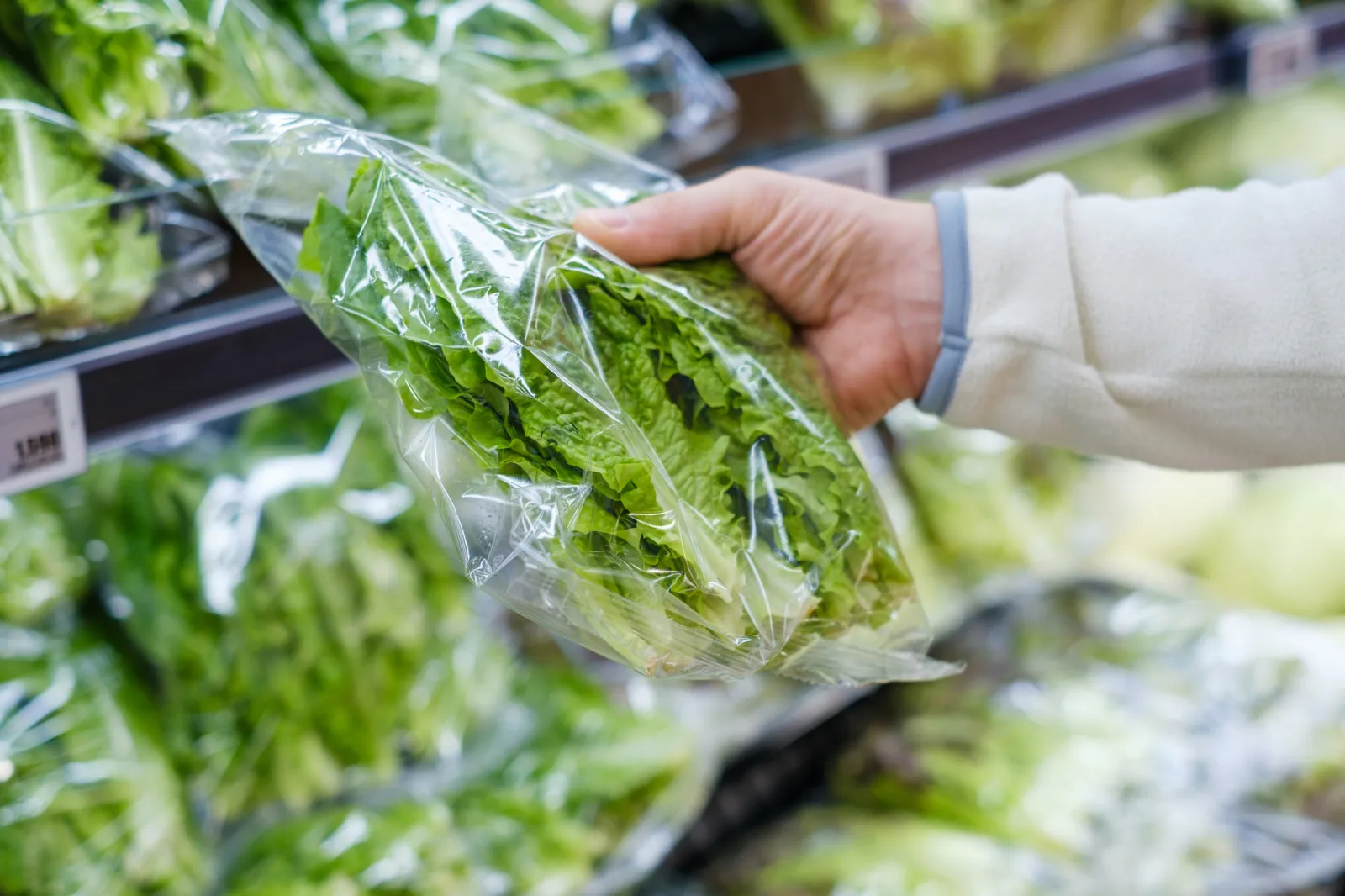
An ongoing Cyclospora outbreak linked by federal agencies to recalled iceberg lettuce is shifting consumer habits across the country, with a new poll indicating that food safety concerns are prompting many Americans to scale back their fresh produce purchases.
A CBS News/YouGov survey shows that 40 percent of Americans are eating or buying less produce due to the outbreak, while only 4 percent report purchasing more. The findings underscore public anxiety as federal health officials investigate multiple clusters of the intestinal illness and urge consumers to avoid recalled products.
The primary outbreak has been tied by federal regulators to recalled iceberg lettuce produced by Taylor Farms. According to a July 24 update from the Centers for Disease Control and Prevention (CDC), the contamination has sickened at least 1,947 people across nine states, resulting in 98 hospitalizations and no reported deaths. The agency is also investigating separate, unrelated Cyclospora outbreaks nationwide.
Read More on News
Related Story

Map Shows Worst Cyclospora Hotspots as New Outbreak Detected
Produce Purchases Fall as Outbreak Draws Attention
Conducted between July 22 and July 24 among a nationally representative sample of 2,193 U.S. adults, the CBS News/YouGov survey, which has a margin of error of 2.7 percentage points, reveals widespread awareness of the public health situation.
- 61 percent of respondents are following news about Cyclospora at least somewhat closely (including 18 percent following very closely and 43 percent somewhat closely).
- 40 percent report reducing the amount of fresh produce they consume or purchase.
- 56 percent report no change in their shopping habits.
- 4 percent report buying or eating more produce.
Public confidence in the Food and Drug Administration (FDA), the agency in charge of food safety remains, mixed. Just 13 percent of respondents expressed "a lot" of confidence in the agency, while 40 percent reported "some" confidence. Nearly half (47 percent) stated they have either "not much" confidence or no confidence at all in the FDA's handling of food safety.
Newsweek has contacted the FDA for comment via the contact form on its website outside of regular working hours.
Outbreak Linked to Recalled Lettuce
The outbreak centers on iceberg lettuce sourced from central Mexico and distributed by Taylor Farms, which issued a voluntary recall on July 17.
The nine affected states include:
- Illinois
- Indiana
- Kansas
- Kentucky
- Michigan
- Ohio
- Oklahoma
- Pennsylvania
- West Virginia
Taylor Farms stated that none of its products have tested positive for Cyclospora as of July 24. However, the company pulled implicated products from the marketplace and suspended all iceberg lettuce sourcing and production from central Mexico as a precautionary measure.
Simultaneously, the CDC is tracking broader national trends. Since May 1, the agency has recorded 4,173 laboratory-confirmed domestic cases of cyclosporiasis, alongside more than 7,400 additional suspected cases requiring further analysis.
...
What Is Cyclospora?
Cyclospora is a microscopic parasite, Cyclospora cayetanensis, that infects the small intestine and causes an illness known as cyclosporiasis.
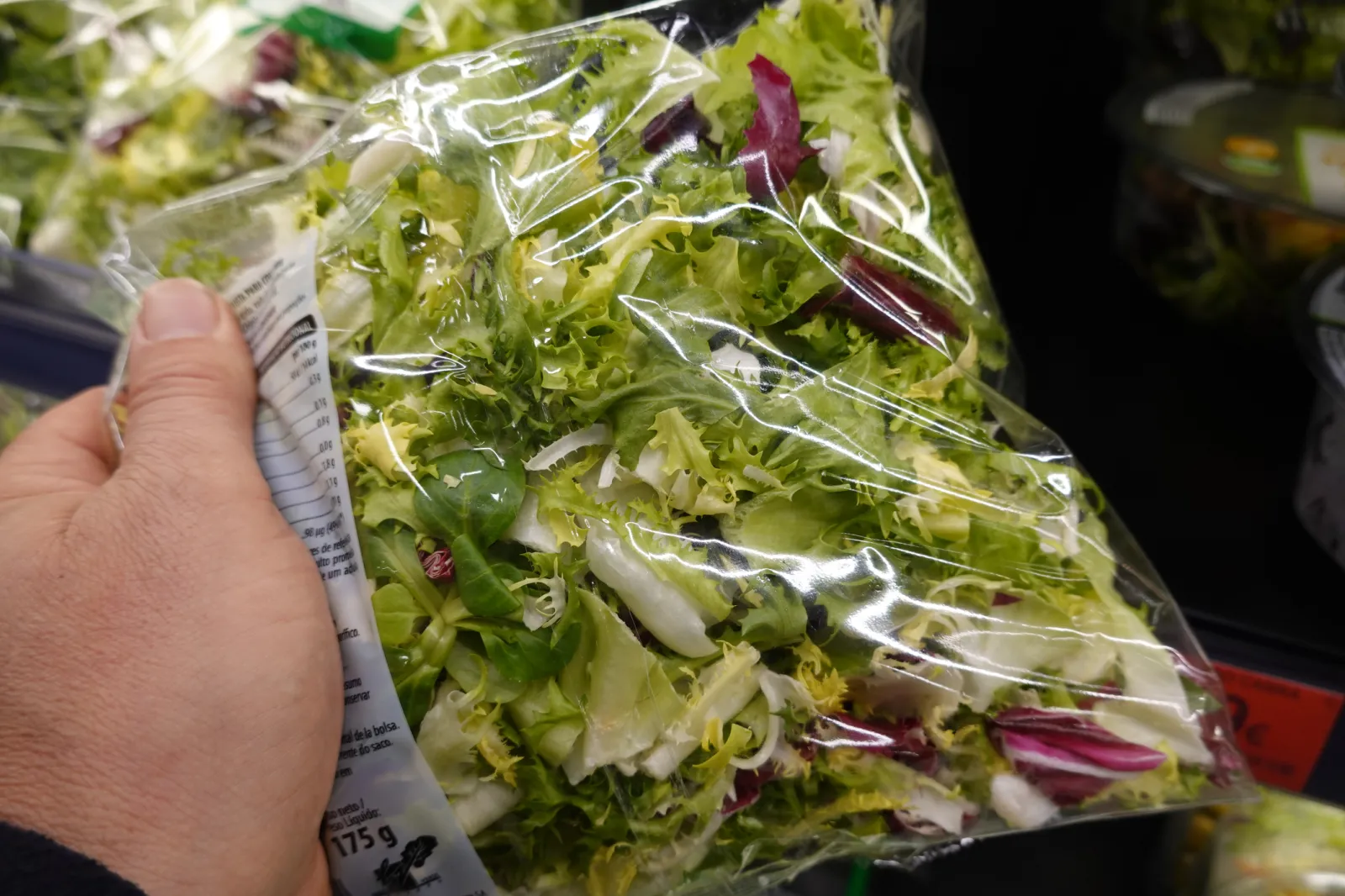
- Transmission: People typically contract the parasite by consuming food or water contaminated with fecal matter. Fresh produce—such as leafy greens, herbs, berries, and other fruits and vegetables—is a frequent vector when exposed to poor sanitation or contaminated irrigation water.
- Contagion: Unlike many bacterial or viral foodborne illnesses, Cyclospora is not spread directly from person to person. The parasite requires time in the environment to mature before it becomes infectious.
- Symptoms: Onset can occur 2-14 days after being exposed and includes watery diarrhea, loss of appetite, weight loss, stomach cramps, bloating, increased gas, nausea, and fatigue. Vomiting and low-grade fever may also occur.
- Treatment: While healthy individuals generally recover with appropriate antibiotic therapy, untreated infections can persist for weeks or months, following a relapsing course.
Related Story
Is Cyclospora Outbreak the Largest in History? How Different Years Compare
Taylor Farms Recall
Taylor Farms said it acted quickly after questions were raised about the source of the outbreak. The company recalled all of its lettuce products, some of which were available in retail stores and used in food service.
"We are passionate about helping people live healthier lives through fresh produce, and the safety of our food is paramount. We maintain best-in-class Cyclospora prevention protocols and invest more than $200 million annually into our independently audited and verified food safety protocols," a company spokesperson previously told Newsweek.
They added: "When questions were raised about the source of the recent Cyclospora outbreak, we immediately removed all potentially implicated product from the marketplace, and out of an abundance of caution we issued an even broader recall of all iceberg lettuce sourced from the region." Taylor Farms has also voluntarily suspended all iceberg lettuce sourcing and production from central Mexico.
The company has also maintained that "according to the FDA, there are no confirmed positive sample results for product testing for Cyclospora as of July 24, 2026."
Taylor Farms said it has commissioned independent experts "to conduct a top-to-bottom review of food safety processes and protocols in our central Mexico facility" and that it continues "to work with health authorities, customers, and independent farming partners to address this issue."
CDC Advice for Consumers
Federal health officials reiterate the following recommendations:
- Avoid Recalled Produce: Consumers should check their refrigerators for recalled Taylor Farms iceberg lettuce and discard or return the items.
- Sanitize Surfaces: Wash countertops, cutting boards, and utensils that may have touched the recalled lettuce using hot, soapy water or a dishwasher.
- Seek Medical Care: Anyone experiencing prolonged gastrointestinal symptoms after consuming fresh produce should contact a healthcare provider.
Contact Newsweek editors for this story: Daniel Orton and Anthony Murray.
Cyclosporiasis Outbreak
Check out Newsweek's latest coverage:
- Which Fruits and Vegetables Are Safe from Cyclospora Parasite?
- What Kills Cyclospora? Food Safety Tips Amid Explosive Diarrhea Outbreaks
- Map Shows ‘Explosive’ Diarrhea Hotspot as Cases Surge
- Map Shows States Facing Surge in ‘Explosive’ Diarrhea Outbreaks
- Trump CDC Stopped Monitoring Explosive Diarrhea Parasite Before Outbreak
- How Worried Should Americans Be About Cyclosporiasis? Experts Weight In
- Taco Bell Breaks Silence on Cyclospora Outbreaks
- People Told to Cook Food, Make Pies to Avoid ‘Explosive’ Diarrhea Outbreak
- Medicine To Treat ‘Explosive’ Diarrhea Outbreaks Could Cause More Diarrhea
- When to Go to Hospital for Cyclospora Symptoms as CDC Cases Double: ER Doctor
- Cyclospora Isn’t the Only Parasite in Fresh Produce—Experts Warn of Others
- How Long Does Cyclospora Incubate? Symptoms To Watch For, How to Treat It
- Where Does Cyclospora Parasite Come From? How to Protect Yourself
View 0 Comments
Submit Correction
View Editorial & AI Guidelines