
10
Loading video...

By Anna Skinner
Associate News Editor
0
Share
Newsweek is a Trust Project member
See more of our trusted coverage when you search.Prefer Newsweek on Googleto see more of our trusted coverage when you search.
As federal health officials investigate a newly identified cyclospora outbreak with no confirmed source, food safety experts say Americans do not necessarily need to stop eating lettuce altogether—but they may want to be more selective about which products they buy while the investigation continues.
The Food and Drug Administration (FDA) is currently investigating a new cyclospora outbreak that has not yet been linked to a specific food item, brand or supplier, but has made at least 72 people ill. The agency has not identified a source for that outbreak, leaving consumers searching for guidance on how to reduce their risk of infection while investigators work to trace the contamination.
Related Story

Big Tech Has a Bad Case of Cyclospora
Read More on U.S.
What To Know About Cyclospora and Outbreak in US
The United States is already grappling with what is now the largest cyclospora outbreak on record. The Centers for Disease Control and Prevention (CDC) has reported 4,173 laboratory-confirmed infections across 41 states, while state health departments, such as in Michigan, have reported far higher totals. The CDC has acknowledged that state-level counts often exceed federal figures because states may include probable cases and reports still under investigation.
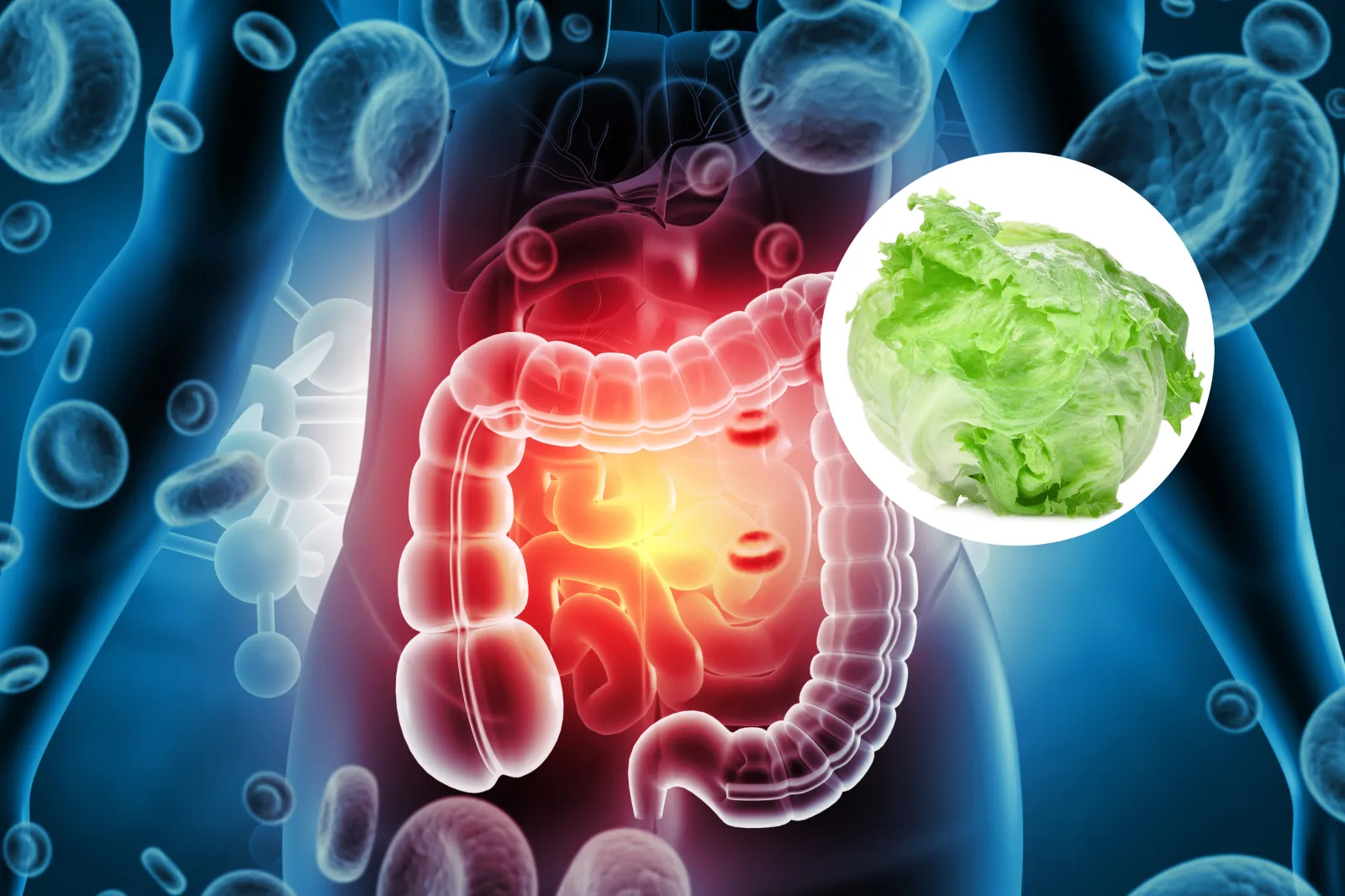
The larger outbreak has been linked by FDA investigators to shredded iceberg lettuce supplied by Taylor Farms from central Mexico, although regulators have emphasized that tracing foodborne illnesses such as cyclospora can be complex. Federal officials have said epidemiological and traceback evidence continues to point toward shredded iceberg lettuce connected to Taylor Farms de Mexico, despite confusion surrounding a laboratory test result that the FDA later determined was a false positive.
...
Cyclospora is a microscopic parasite that spreads when food or water becomes contaminated with human fecal matter, often before produce reaches consumers. Symptoms of cyclosporiasis, the illness caused by the parasite, can appear in as little as two days or as much as two weeks after the affected food is consumed. The hallmark symptom is explosive diarrhea, but other symptoms include nausea, fever, and stomach cramps.
With another outbreak now under investigation and no source identified, experts told Newsweek that consumers can take practical steps to reduce their risk without eliminating fresh produce from their diets.
Kalmia Kniel, a food microbiologist at the University of Delaware, said whole heads of lettuce may be a safer option than pre-cut products.
"In my opinion I think it is relatively low risk to purchase head lettuce and remove the outer leaves and then consume the inside leaves," Kniel told Newsweek.
Some produce companies have also argued that certain growing methods may reduce the risk of cyclospora contamination. Representatives from indoor-farming and controlled-environment agriculture companies such as Gotham Greens and Little Leaf Farms said crops grown in greenhouses or indoor facilities are generally shielded from many of the environmental pathways that can introduce pathogens into fields, including contaminated irrigation water and runoff. While food safety experts caution that no system is completely risk-free, proponents of indoor agriculture say the additional controls can help reduce exposure to parasites that have historically been linked to imported fresh produce.
"Little Leaf Farms and other Controlled Environment Agriculture (CEA) brands are the safest choice during an outbreak," Paul Sellew, the founder and CEO of Little Leaf Farms, told Newsweek.
"CEA lettuce is grown within a closed system where environmental conditions such as temperature, humidity, light, carbon dioxide and nutrients are carefully regulated, and products are grown without pesticides. Additionally, all water (which is a common vector for these types of pathogens) is thoroughly disinfected via ultraviolet (UV) sterilization prior to entering our greenhouses."
Public health advocate and science communicator Dr. Lucky Tran has recommended avoiding some of the products most commonly linked to past cyclospora outbreaks.
In a recent post on X, Tran advised consumers to "avoid bagged greens, buy whole fruits and vegetables, buy local produce or frozen produce, trim away outer layers of produce and wash thoroughly, and when you can, heat or reheat your food to 158 degrees F which kills the parasite."
How To Keep Foods Safe From Cyclospora
Cooking remains one of the most effective ways to eliminate cyclospora. Foods that can be heated before consumption generally present less risk than raw produce.
Experts have also highlighted locally grown produce and home gardening as potential lower-risk alternatives for some consumers. Because cyclospora contamination often occurs before produce reaches stores—frequently through contaminated water or other environmental sources during cultivation—buying directly from local farmers can provide greater transparency about where and how food was grown.
Home gardeners likewise have more control over watering, handling and harvesting practices. However, food safety specialists note that locally grown and homegrown produce are not inherently immune from contamination and should still be washed and handled carefully before consumption.
For now, federal officials have not advised Americans to stop eating lettuce broadly. Instead, the FDA continues to investigate the second outbreak while monitoring the larger outbreak linked to shredded iceberg lettuce. Whether another contaminated product is ultimately identified remains unclear.
Until then, experts say consumers concerned about cyclospora may want to favor whole produce over prepackaged greens, remove outer leaves when possible and cook foods that can safely be heated before eating. Those precautions, they say, can help reduce exposure while health officials work to determine what is fueling the latest outbreak.
Cyclosporiasis Outbreak
Check out Newsweek's latest coverage:
- Taylor Farms Says FDA Has Apologized Over ‘False Positive’ Cyclospora Test
- Cyclospora Patient Reveals What Symptoms are Really Like as Outbreak Spreads
- Which Salad Greens Are Safe From Cyclospora Parasite? List of Companies, Where to Buy
- What Kills Cyclospora? Food Safety Tips Amid Explosive Diarrhea Outbreaks
- Medicine To Treat ‘Explosive’ Diarrhea Outbreaks Could Cause More Diarrhea
- Cyclospora Isn’t the Only Parasite in Fresh Produce—Experts Warn of Others
- How Long Does Cyclospora Incubate? Symptoms To Watch For, How to Treat It
- Where Does Cyclospora Parasite Come From? How to Protect Yourself
Contact Newsweek editors on this story: Anna Skinner and James Debens
View 0 Comments
Submit Correction
View Editorial & AI Guidelines