10
Loading video...

By Anna Skinner
Associate News Editor
0
Share
Newsweek is a Trust Project member
See more of our trusted coverage when you search.Prefer Newsweek on Googleto see more of our trusted coverage when you search.
Millions of Americans heading to Great Lakes beaches are being warned to stay out of the water as dangerous waves and powerful currents create life-threatening conditions across all five lakes.
The National Weather Service (NWS) issued widespread beach hazard alerts Wednesday stretching from Wisconsin and Illinois to Michigan, Ohio and New York, warning swimmers and boaters about dangerous currents, high waves and rapidly worsening conditions as the summer season ramps up.
Forecasters warned that conditions could quickly pull swimmers away from shore or sweep people from piers and breakwalls into deeper water. Officials repeatedly urged the public to avoid entering the water entirely in some areas.
Read More on Weather
Why Great Lakes Conditions Can Turn Deadly
While many people associate rip currents with oceans, experts say the Great Lakes can be just as dangerous. Strong winds and high waves can rapidly create rip currents, longshore currents and structural currents capable of overpowering even experienced swimmers.
Data from the Great Lakes Surf Rescue Project shows roughly 100 people drown in the Great Lakes each year, with fatalities recorded annually across all five lakes.
Officials say the danger is often underestimated because the lakes can appear calmer than the ocean, even as dangerous currents form beneath the surface.
Where Dangerous Conditions Are Happening

...
Lake Michigan
Conditions were especially hazardous along Lake Michigan, where multiple states issued warnings covering major beaches and shoreline communities.
Along the western shoreline, including Milwaukee, Racine and Kenosha Counties, waves of 2 to 4 feet combined with strong currents prompted forecasters to warn of “life-threatening” swimming conditions beginning Wednesday afternoon and continuing into Thursday.
Similar warnings extended south into Illinois and Indiana, where waves of 4 to 6 feet were expected to create dangerous surf conditions, particularly for inexperienced swimmers.
Authorities in Lake County and Porter County, Indiana, urged people to stay completely out of the water and avoid piers and breakwalls, where structural currents can intensify rapidly and pull people into deeper water.
In the Chicago area, officials warned dangerous conditions would likely persist into Thursday afternoon.
Across Michigan’s lakeside shoreline, including Ottawa, Allegan and Van Buren Counties, waves building to 3 to 5 feet were expected to peak during the evening as winds increased to 15 to 25 mph.
Forecasters warned that piers could become heavily swamped, increasing the risk of people being swept into the lake.

...
Lake Superior, Lake Erie, and Lake Ontario
In New York, beach hazard statements covering parts of Lake Ontario took effect Wednesday morning and were expected to remain in place through the evening.
Along Lake Erie, forecasters warned the swim risk along Ohio shorelines would worsen into Thursday as waves and currents intensified.
"There will be high swim risk at the beaches of Lake Erie on Thursday due to high waves and dangerous currents," NWS Cleveland said in the hazardous weather outlook.
Along Lake Superior in Alger County, Michigan, dangerous swimming conditions were in place early Wednesday morning and were likely to persist through the evening.

...
Lake Huron Warnings
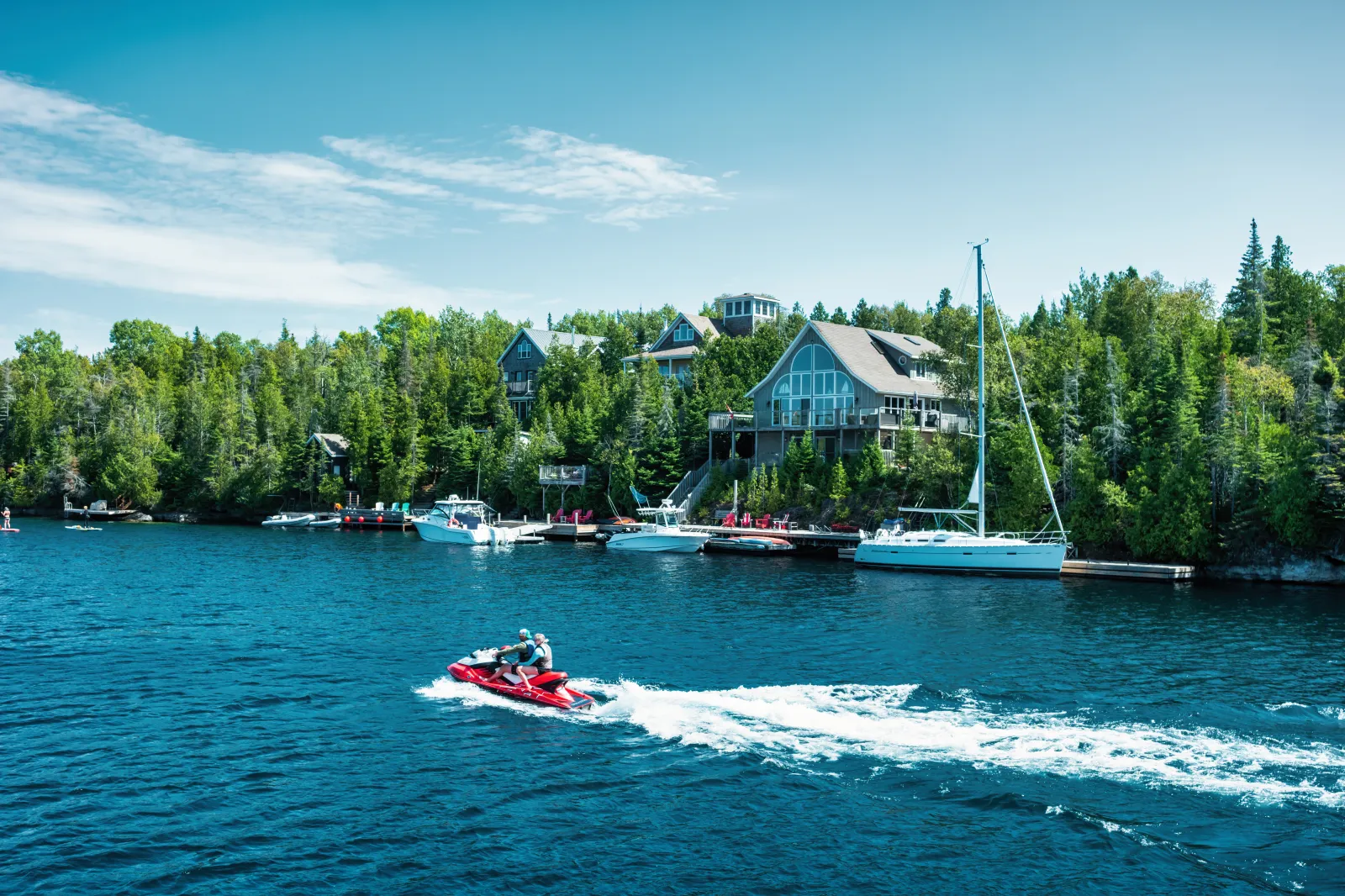
Boaters are also being urged to use caution, particularly in areas where small craft advisories are in effect on Lakes Huron and Erie. Choppy waters and strong winds can make navigation difficult and increase the risk of capsizing, especially for smaller vessels.
...
How to Survive a Rip Current
Safety experts say the most important thing if caught in a rip current is to remain calm and avoid fighting against the water.
Rip currents typically do not pull swimmers underwater, but they can quickly exhaust people trying to swim directly back to shore.
Instead, experts recommend floating or treading water to conserve energy before attempting to swim parallel to the shoreline to escape the current. Once free, swimmers should angle back toward shore.
If unable to escape, officials advise continuing to float and signaling for help by waving or calling out.
Officials Urge Caution Ahead of Busy Summer Season
Officials emphasized that many of the region’s beaches are unguarded or have limited lifeguard coverage, placing greater responsibility on individuals to heed warnings and avoid entering the water during hazardous conditions.
With millions of visitors expected to flock to Great Lakes beaches in the coming weeks, forecasters stressed that awareness and caution remain the most effective tools for preventing tragedy.
“Stay out of the water,” multiple NWS offices reiterated in their advisories, warning that conditions capable of sweeping swimmers away or pulling them into deeper water can develop quickly and often without obvious visual warning signs from the shore.
View 0 Comments
Submit Correction
View Editorial & AI Guidelines