...

By Doug Ducey and Jennifer Granholm
0
Share
Newsweek is a Trust Project member
See more of our trusted coverage when you search.Prefer Newsweek on Googleto see more of our trusted coverage when you search.
We do not often land on the same side of an issue, but as former governors with different political views and backgrounds, we share a common belief that the United States must invest in American-made AI and the supporting infrastructure to stay ahead of China.
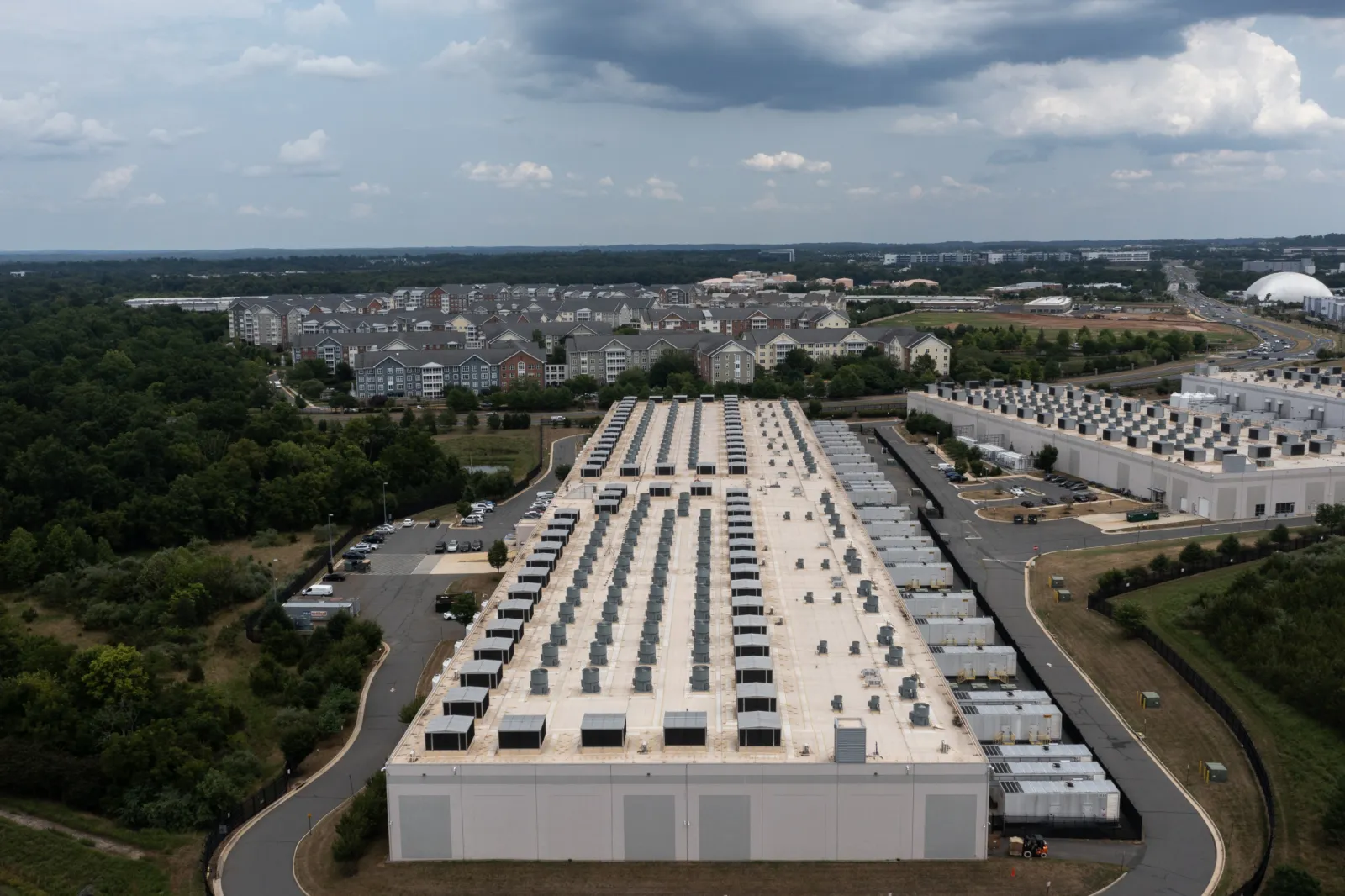
And now, across America, governors are on the front lines of data center growth and energy demand. We see firsthand the opportunities—and the growing pains—of an economy increasingly powered by data. From Arizona to New York, new data centers are rising faster than any other type of large-scale infrastructure, driving billions in investment, creating thousands of jobs, and anchoring the digital economy that fuels Artificial Intelligence (AI), manufacturing, and advanced research.
This build out is transforming state economies—but it’s also reshaping our electric grids. States control the levers that matter most: siting and permitting, transmission planning, rate design, and utility regulation. Governors and Public Utility Commissions are now the gatekeepers of America’s AI-powered future. The policies we set today will determine whether this transformation delivers prosperity and affordability—or higher costs and missed opportunities.
Read More on Opinion
...
The Challenge—and the Opportunity
Electricity load is climbing fast—from EVs, new manufacturing, and AI—but this isn’t a crisis. It’s an extraordinary opportunity to modernize our grid and make energy more affordable for everyone.
Yes, electricity rates are rising nationwide, and many assume data centers are to blame. But the evidence says otherwise. Studies from Lawrence Berkeley National Lab and The Brattle Group show that higher costs come mostly from the aging poles and wires of the grid—not from new demand. In fact, if managed smartly, data centers can help drive rates down.
How Data Centers Can Become Allies in Lowering Costs
Governors and state policymakers can act now with three bold steps:
1) Require Data Centers to Bring Their Own Power (BYOP).
Large facilities should come with their own clean, reliable generation and storage—turning these big energy users into grid assets, not grid burdens. “Bring Your Own Power” is a bipartisan, business-savvy solution that keeps costs low and reliability high.
2) Incentivize Utilities to Deploy Grid-Enhancing Technologies (GETs)
AI isn’t just a challenge—it’s the tool that can fix the grid. With smarter software and hardware, we can unlock up to 100 GW of unused capacity on existing power lines—without building new ones.
States should incentivize utilities to adopt these technologies—like advanced conductors, dynamic line ratings, and virtual power plants—and reward them for sharing the savings with ratepayers. If done right, that single reform could deliver up to 20% lower costs for customers, while improving reliability and speeding clean energy deployment.
3) Protect Ratepayers from New Load Costs
Fairness must guide this transformation. New industrial users should help pay for the upgrades they trigger, so everyday ratepayers aren’t stuck with higher bills. Regulators can design modern cost-recovery and performance-based frameworks that ensure everyone benefits from new investment.
When costs and savings are shared fairly, everyone wins.
The Bottom Line
Done right, data centers can share in grid costs and actually help lower rates for everyone. Studies show that for every gigawatt of new large-load demand added to the grid, customer rates could fall by 1percent to 2 percent—and when paired with utility incentives for GETs, the payoff is clear: more data centers, lower rates, and faster economic growth.
This is a moment for pragmatic, bipartisan action. Governors across America can show that economic growth, grid innovation, and affordability aren’t competing priorities—they’re mutually reinforcing goals.
That’s the American win-win-win.
Doug Ducey is the former Governor of Arizona. Michigan Governor Jennifer Granholm is the former U.S. Energy Secretary.
The views expressed in this article are the writers’ own.
View 0 Comments
Submit Correction
View Editorial & AI Guidelines