10
Loading video...

By Jordan King
Reporter
0
Share
Newsweek is a Trust Project member
See more of our trusted coverage when you search.Prefer Newsweek on Googleto see more of our trusted coverage when you search.
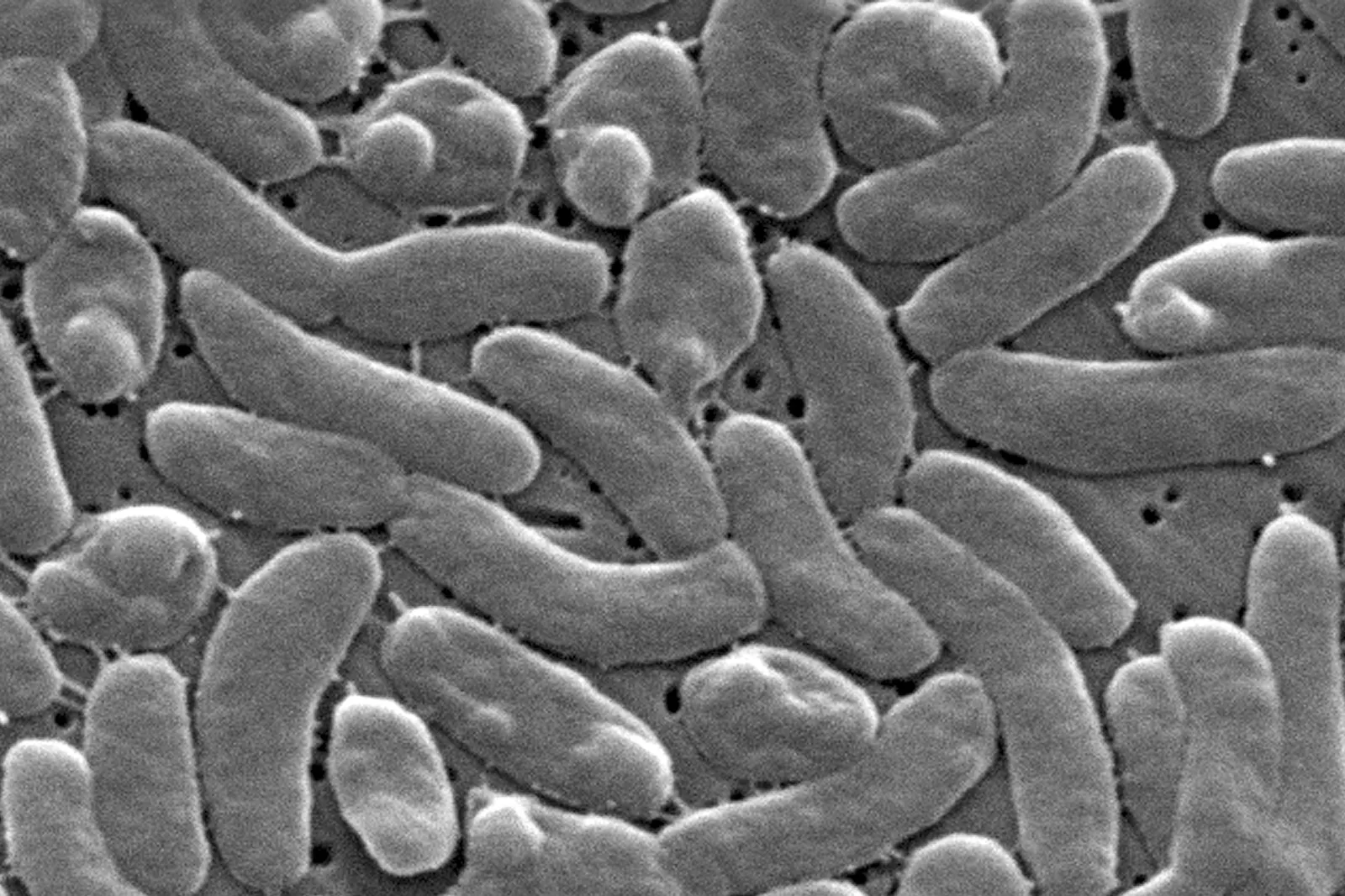
Six people have died after contracting the potentially deadly "flesh-eating" bacterium Vibrio vulnificus in Louisiana and Florida this year, while cases and warnings have emerged in multiple states.
Louisiana has reported nine cases among state residents in 2026, with all nine patients hospitalized and five dying, according to the Louisiana Department of Health. That compares with an average of seven cases and one death by the same point of the year over the previous decade.
All nine Louisiana infections were associated with wounds exposed to seawater, and every patient had an underlying health condition, officials said. The department urged residents to avoid exposing open wounds to saltwater or brackish water, particularly during the warmer months when concentrations of the bacterium are higher.
Read More on News
Florida has separately recorded 12 cases of Vibrio vulnificus and one death this year, bringing the combined death toll in the two states to six, according to local outlet Fox 13 Tampa Bay. The Florida fatality involved a resident of Palm Beach County and was the state’s first death linked to the bacterium in 2026.
Vibrio vulnificus occurs naturally in coastal waters, with concentrations typically rising between May and October as water temperatures increase. Infection can occur when an open wound comes into contact with saltwater or brackish water, as well as through eating raw or undercooked seafood, particularly oysters.
The bacterium is sometimes described as "flesh-eating" because some infections can cause necrotizing fasciitis, a condition in which tissue surrounding an open wound dies. About one in five people infected with Vibrio vulnificus die, sometimes within one or two days of becoming ill, according to the Centers for Disease Control and Prevention (CDC).
Warnings and cases have also emerged elsewhere in the United States this year, as summer temperatures draw more people to coastal waters.
...
Where Have Cases Been Recorded?
Beyond Louisiana and Florida, health officials have reported infections in Alabama and Connecticut, although limited information has been released about the patients.
The Mobile County Health Department confirmed Alabama’s first vibriosis case of 2026 in April. The agency did not identify the species involved or release details about the patient, the severity of the illness or how the infection was contracted.
Before that case was announced, county officials had issued precautionary guidance in March. Mobile County recorded 16 vibriosis cases in 2025, most of which were linked to undercooked food contaminated with Vibrio, while some involved injuries exposed to waters connected to the Gulf.
Connecticut recorded a Vibrio vulnificus infection in February involving a person who ate contaminated oysters harvested outside the state, according to a national case tracker, citing Connecticut’s public health commissioner.
There is no indication that the infections reported across the four states are connected.
What Is Vibrio Vulnificus and Who Is at Risk?
Vibrio vulnificus is one of several Vibrio species that can cause vibriosis. It is different from the strains of Vibrio cholerae responsible for cholera and is not known to spread from person to person, according to the CDC.
The infection is relatively rare, with about 150 to 200 cases reported in the United States each year. However, it can progress rapidly and cause life-threatening wound or bloodstream infections.
Anyone can become infected, but severe complications are more likely among people with liver disease, cancer, diabetes, HIV or thalassemia, as well as those receiving immune-suppressing treatment. People who take medication that reduces stomach acid or have recently undergone stomach surgery may also face an increased risk.
Symptoms depend on the type of infection. Intestinal illness can cause watery diarrhea, stomach cramps, nausea, vomiting, fever and chills. Signs of a wound infection include redness, pain, swelling, warmth, discoloration and fluid discharge around the affected area.
If the infection enters the bloodstream, symptoms can include fever, chills, dangerously low blood pressure and blistering skin lesions. The CDC advises people with signs of a Vibrio wound or bloodstream infection to seek immediate medical attention and tell their health care provider about any recent contact with coastal water or raw seafood.
Mild intestinal infections may resolve without antibiotics, although patients should replace fluids lost through diarrhea or vomiting. Severe or prolonged infections may require antibiotics, while serious wound infections can require surgery to remove dead or infected tissue. Early treatment can be lifesaving.
Contact Newsweek editors on this story: Matthew Robinson and Trevor Davies
View 0 Comments
Submit Correction
View Editorial & AI Guidelines