...

By Gabe Whisnant
News Editor
0
Share
Newsweek is a Trust Project member
See more of our trusted coverage when you search.Prefer Newsweek on Googleto see more of our trusted coverage when you search.
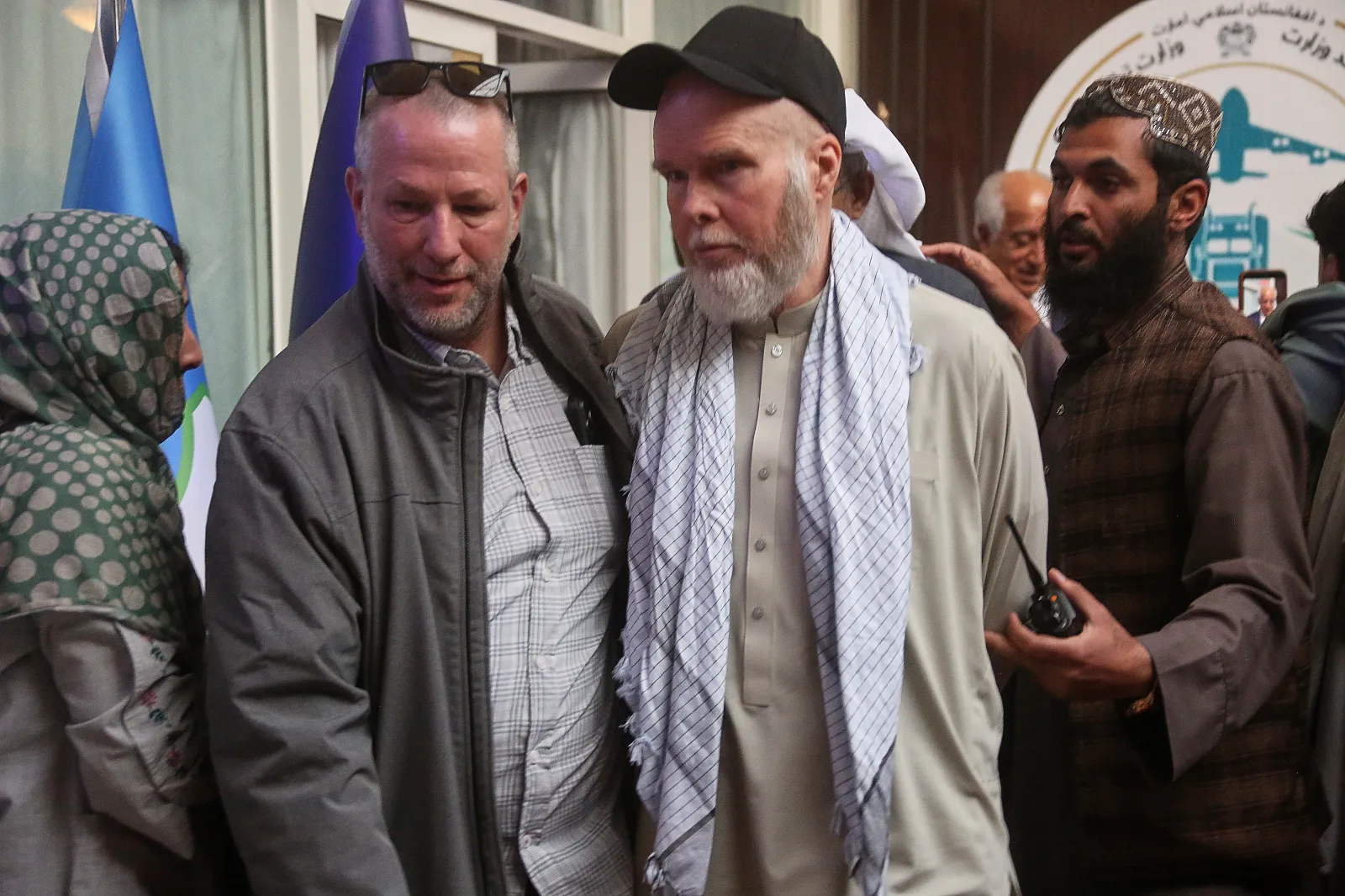
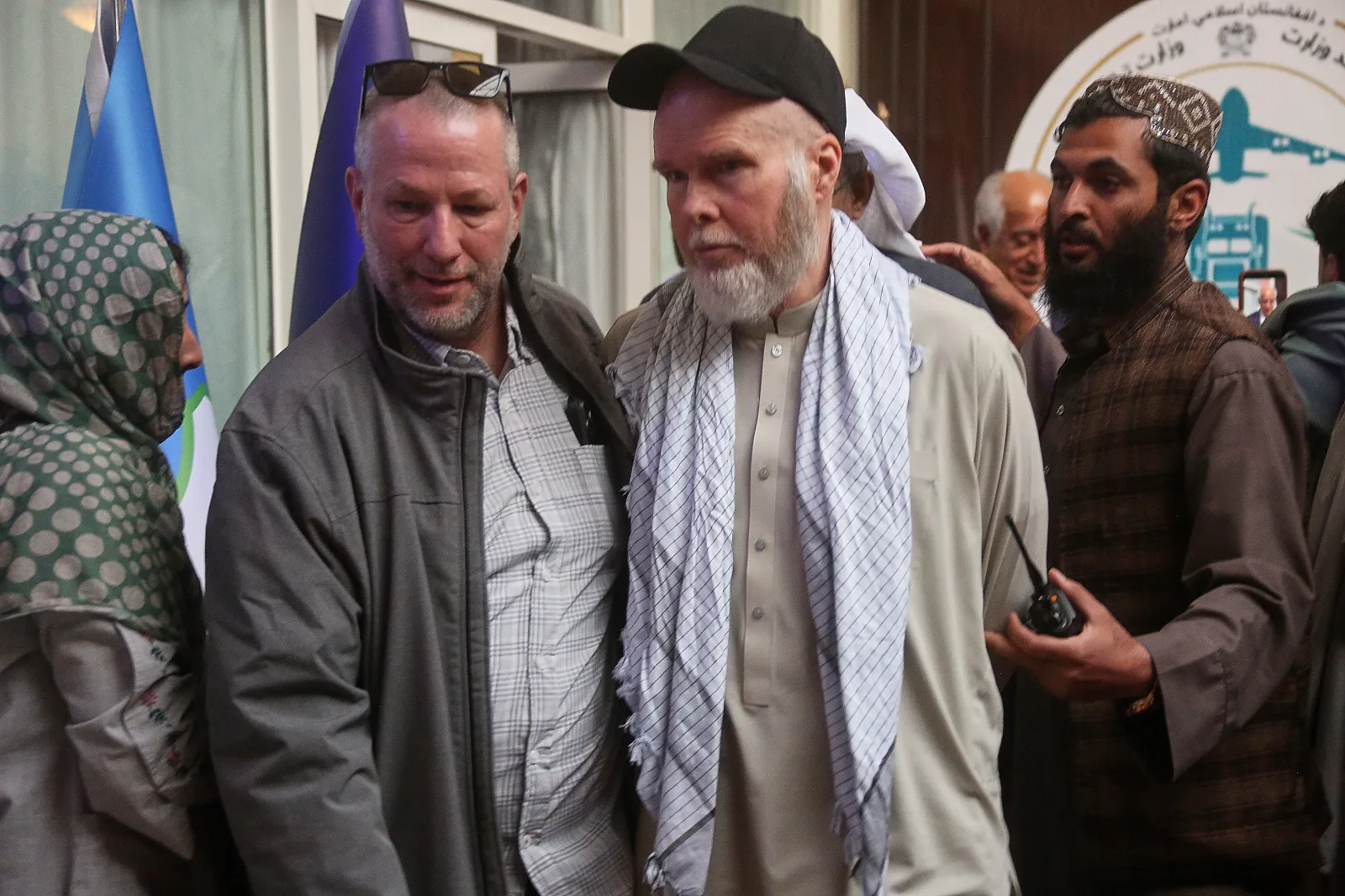
Afghanistan’s Taliban authorities on Tuesday released American academic Dennis Coyle after holding him for more than a year, saying the decision was made in connection with Eid al‑Fitr, the Muslim holiday marking the end of the holy month of Ramadan.
In a statement, Afghanistan’s Foreign Ministry said Coyle was freed in Kabul following an appeal from his family and after the country’s Supreme Court determined that his previous imprisonment was sufficient.
Why Was Dennis Coyle Detained?
Coyle, an academic researcher, had been detained in January 2025. Afghan authorities accused him of violating the country’s laws but did not specify which laws he had broken.
Read More on World
...
U.S. Welcomes Release But Presses for Others
U.S. Secretary of State Marco Rubio welcomed Coyle’s release, calling it a positive development but urging further action by the Taliban.
“President Donald Trump is committed to ending unjust detentions overseas — Dennis joins over 100 Americans who have been freed in the past 15 months under his second term in office,” Rubio said in a statement. “While this is a positive step by the Taliban, more work needs to be done.”
Rubio said the United States continues to seek the return of other Americans believed to be held in Afghanistan.
Afghanistan Labeled Sponsor of Wrongful Detention
Earlier this month, the U.S. State Department designated Afghanistan a sponsor of wrongful detention, accusing the Taliban of engaging in what it described as “hostage diplomacy.” The designation placed Afghanistan alongside Iran as countries singled out for detaining Americans in hopes of extracting political or policy concessions.
Afghan officials rejected the accusation, saying they arrest foreigners only for violating domestic laws and not to gain leverage over other governments.
Other Americans Still Unaccounted For
The State Department has said the Taliban is believed to be holding at least four U.S. nationals, including Mahmood Habibi, an Afghan American businessman who worked as a contractor for a Kabul‑based telecommunications company.
The FBI and Habibi’s family have said they believe he was taken by Taliban forces in 2022, though Afghan authorities deny holding him.
Habibi’s brother, Ahmad Habibi, welcomed news of Coyle’s release but said his family is still waiting for answers.
“We hope that our family will soon have the same feeling of relief, when Mahmood is returned home to us,” he said in a statement.
Who Is Paul Overby? State Department Calls for His Release
Rubio also referenced Paul Overby, an American listed on the FBI’s missing persons website. Overby disappeared in eastern Afghanistan’s Khost Province in mid‑2014 while conducting research for a book.
“We are still seeking the immediate return of Mahmood Habibi, Paul Overby, and all other unjustly detained Americans,” Rubio said. “The Taliban must end their practice of hostage diplomacy.”
Taliban Cites Humanitarian Grounds
Afghan Foreign Minister Amir Khan Muttaqi said Afghanistan “has not arrested citizens of any country to achieve political goals,” according to a statement released by the Foreign Ministry. He said Coyle was released after completing judicial proceedings related to violations of Afghan law.
The ministry said the decision was based on “humanitarian sympathy and goodwill” and expressed hope that the move would help strengthen trust between countries and encourage dialogue to resolve remaining issues.
Both Rubio and Muttaqi thanked the United Arab Emirates for helping mediate the release and said Qatar also played a role. The Foreign Ministry said Muttaqi met in Kabul with former U.S. special representative for Afghanistan Zalmay Khalilzad ahead of Coyle’s release.
Background on Taliban Rule
The Taliban seized power in 2021 following the withdrawal of U.S. and NATO forces, nearly 20 years after they were removed from power in a U.S.‑led invasion launched after the Sept. 11, 2001, attacks in the United States.
Since returning to power, the Taliban have faced international isolation and scrutiny over human rights, particularly restrictions on women and the detention of foreign nationals.
This article includes reporting by the Associated Press.
In a polarized era, the center is dismissed as bland. At Newsweek, ours is different: The Courageous Center—it's not "both sides," it's sharp, challenging and alive with ideas. We follow facts, not factions. If that sounds like the kind of journalism you want to see thrive, we need you.
When you become a Newsweek Member, you support a mission to keep the center strong and vibrant. Members enjoy: Ad-free browsing, exclusive content and editor conversations. Help keep the center courageous. Join today.


View 0 Comments
Submit Correction
View Editorial & AI Guidelines