10
Loading video...

By Daniella Gray
Reporter
0
Share
Newsweek is a Trust Project member
See more of our trusted coverage when you search.Prefer Newsweek on Googleto see more of our trusted coverage when you search.
By Jodie Crawford as told to Newsweek
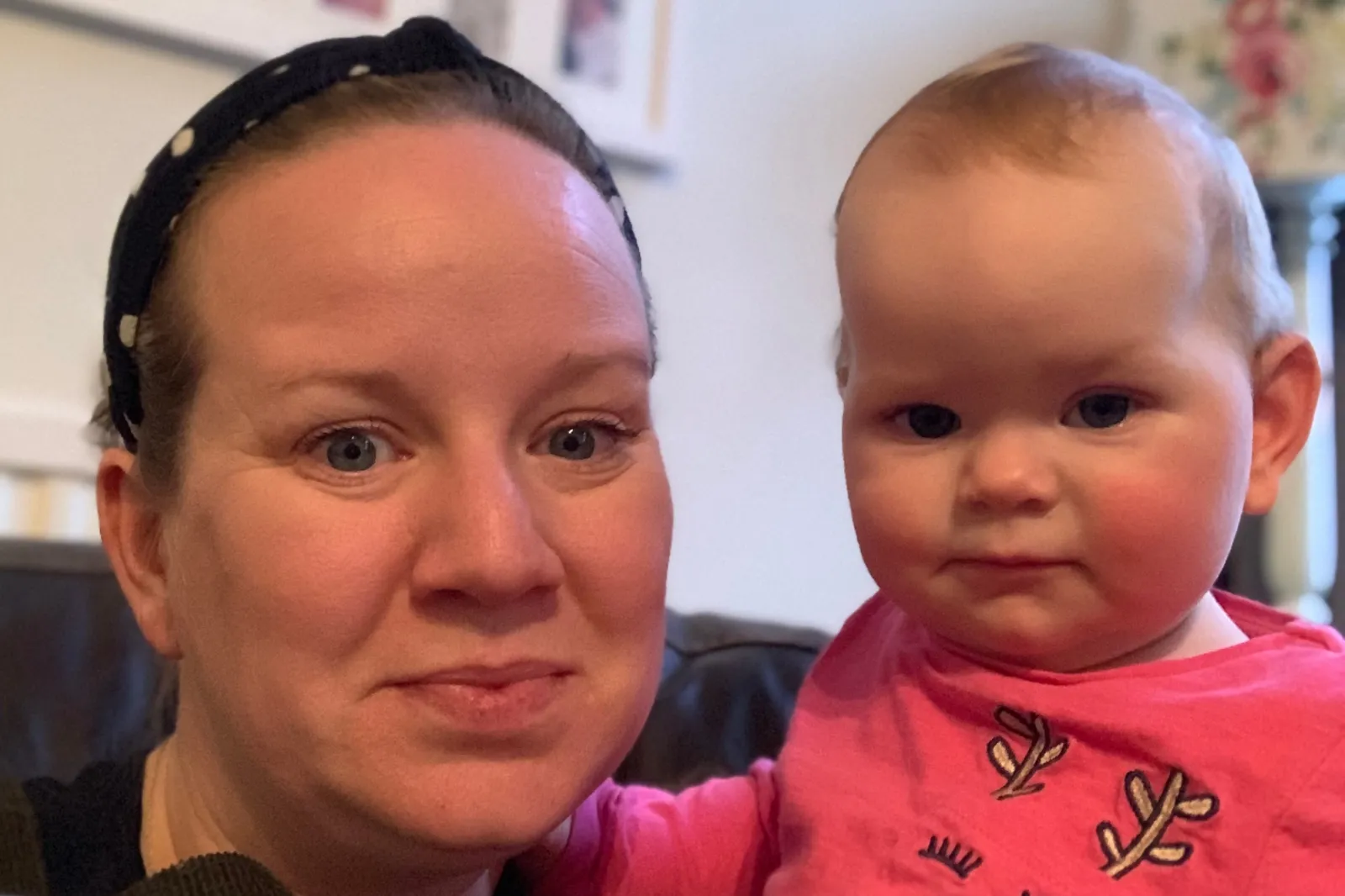
From the moment my daughter Hetty was born, something didn’t feel right.
I couldn’t explain it clearly at first, but I had a gut feeling that I couldn’t ignore.
Read More on My Turn
I was 40, exhausted and adjusting to life with a newborn and my other daughter 2-year-old, Bridie. My youngest just never seemed to settle. She didn't sleep, she wouldn't be put down and wanted to feed constantly but wouldn't take a bottle. I was at rock bottom.
...
When she was around one month old, I took her to the doctor, desperate for answers—just asking, please tell me why my baby won’t sleep or settle.
I was told it might be a dairy intolerance, so I cut dairy from my diet and hoped for the best. But as the weeks went on, I started noticing something else.
Her forehead seemed unusually large, almost protruding, and I could see slight indentations forming.
By two months, I went back to the doctor, this time more focused on her head shape. I was told there was nothing to worry about—that babies’ heads can vary and develop differently.
I tried to believe that, I really did, but then I noticed a lump forming at the back of her head.
By this point, she still wasn’t sleeping or settling and I was barely holding myself together.
I went back to my doctor again, asking if the lump could be causing her discomfort. Once again, I was reassured it was "normal" and that babies often struggle to sleep.
At around three months, I started doing my own research. I came across a condition called craniosynostosis—where the bones in a baby’s skull fuse too early.
I wrote the word on a scrap of paper and took it back to the doctor. He told me he had never heard of it. He also warned me against Googling, saying the internet was full of inaccuracies and conspiracies.
I went home completely deflated. I felt like I was being dismissed—as if I was just an anxious, tired mom imagining things.
Even the people closest to me thought I might be overthinking it. My mom suggested I might be seeing something that wasn’t there. My husband, Dominic, could see how exhausted I was—our daughter wouldn’t settle for him and he felt helpless watching me struggle.
But something inside me wouldn’t let it go.
A few weeks later, I went back again—this time determined not to leave without being heard. I saw a doctor I hadn’t met before and explained everything I had noticed and how strongly I felt something was wrong.
I told him I wanted an urgent referral to a pediatrician—and that I wouldn’t be leaving the surgery until I got one.
He went to speak to the senior doctor, who listened carefully and agreed to arrange a referral. Within an hour, I was told to go to the hospital the next day.
I remember walking into that appointment, holding my breath.
The doctor took one look at my daughter and said, “Just give me a minute.” She picked up the phone and called a specialist, then she turned back to us and said she suspected craniosynostosis.
Everything moved quickly after that and we were referred to Alder Hey Children's Hospital Trust within days.
Hearing the word "craniosynostosis" was terrifying, but strangely, it was also a relief. Finally, someone could see what I had been seeing all along. It was frightening to think something was wrong with my child, but it was even worse not being taken seriously.
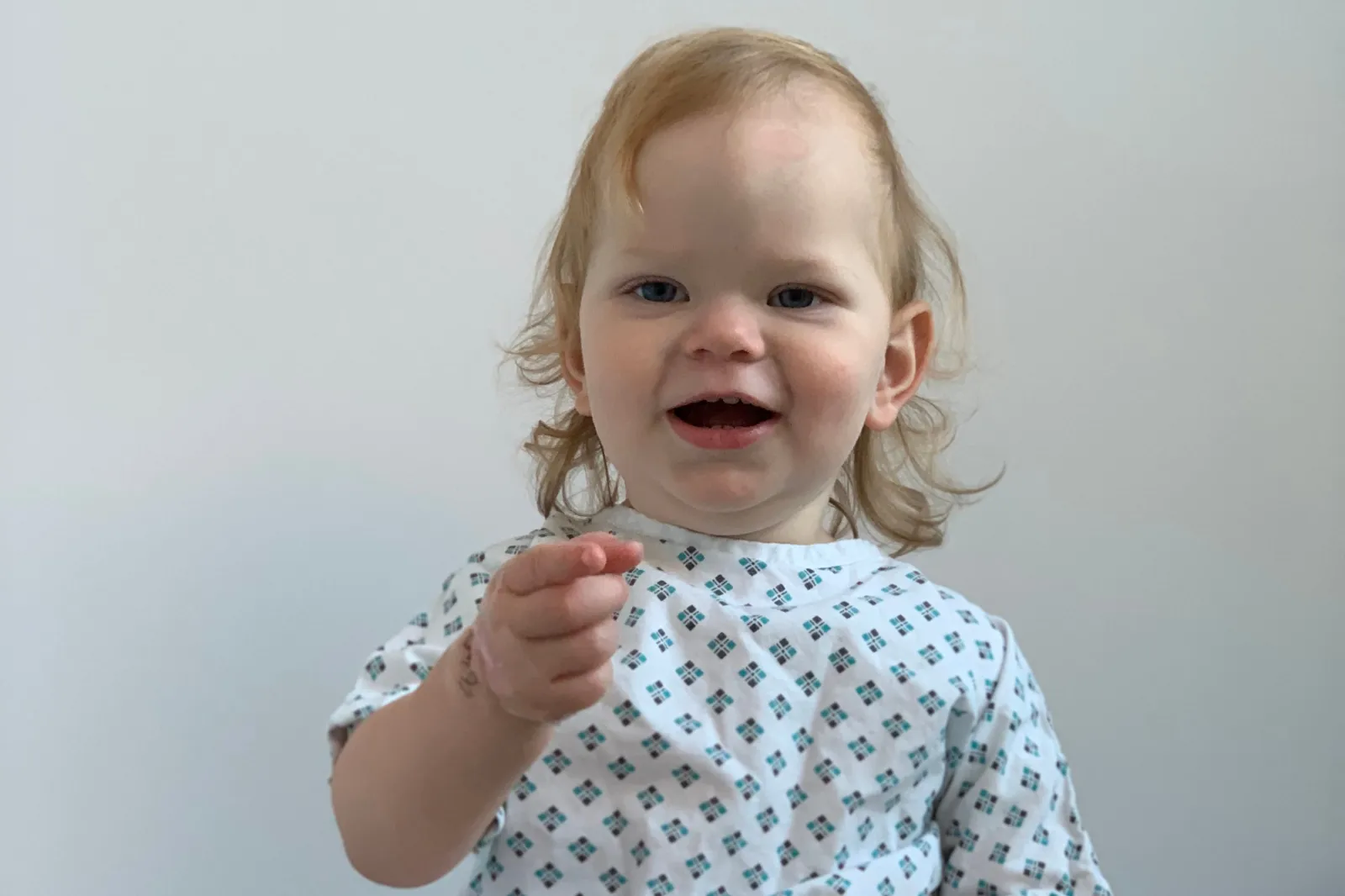
Hetty was diagnosed with both metopic and sagittal craniosynostosis. The bones in her skull had fused too early, which could affect her brain development if left untreated.
When she was only a year old, she underwent a 10-hour surgery during the COVID pandemic.
...
That day is something I will never forget.
Because of restrictions, Dominic wasn’t allowed inside the hospital. I had to carry her into the operating room alone and hold her as they put her to sleep in my arms. Then I handed her over and walked away.
The moment I stepped out of that room, I collapsed to my knees. I didn’t know if I would ever hold her again.
We sat outside in the hospital gardens for hours, trying to stay as close to her as possible. When I was finally called into recovery, the relief was overwhelming. I had never been apart from her for that long before.
Just weeks later, she developed a serious infection and had to undergo emergency treatment again—something that was initially dismissed until I pushed for answers once more.
Looking back now, I still carry some guilt. Even though I fought to be heard, I sometimes feel like I should have pushed harder sooner.
What I know for certain is this: no one knows a baby like their mother. If something doesn’t feel right, trust that feeling. Speak up. Keep going back. Push until someone listens.
Because even if others think you’re overanxious or imagining things—you’re not.
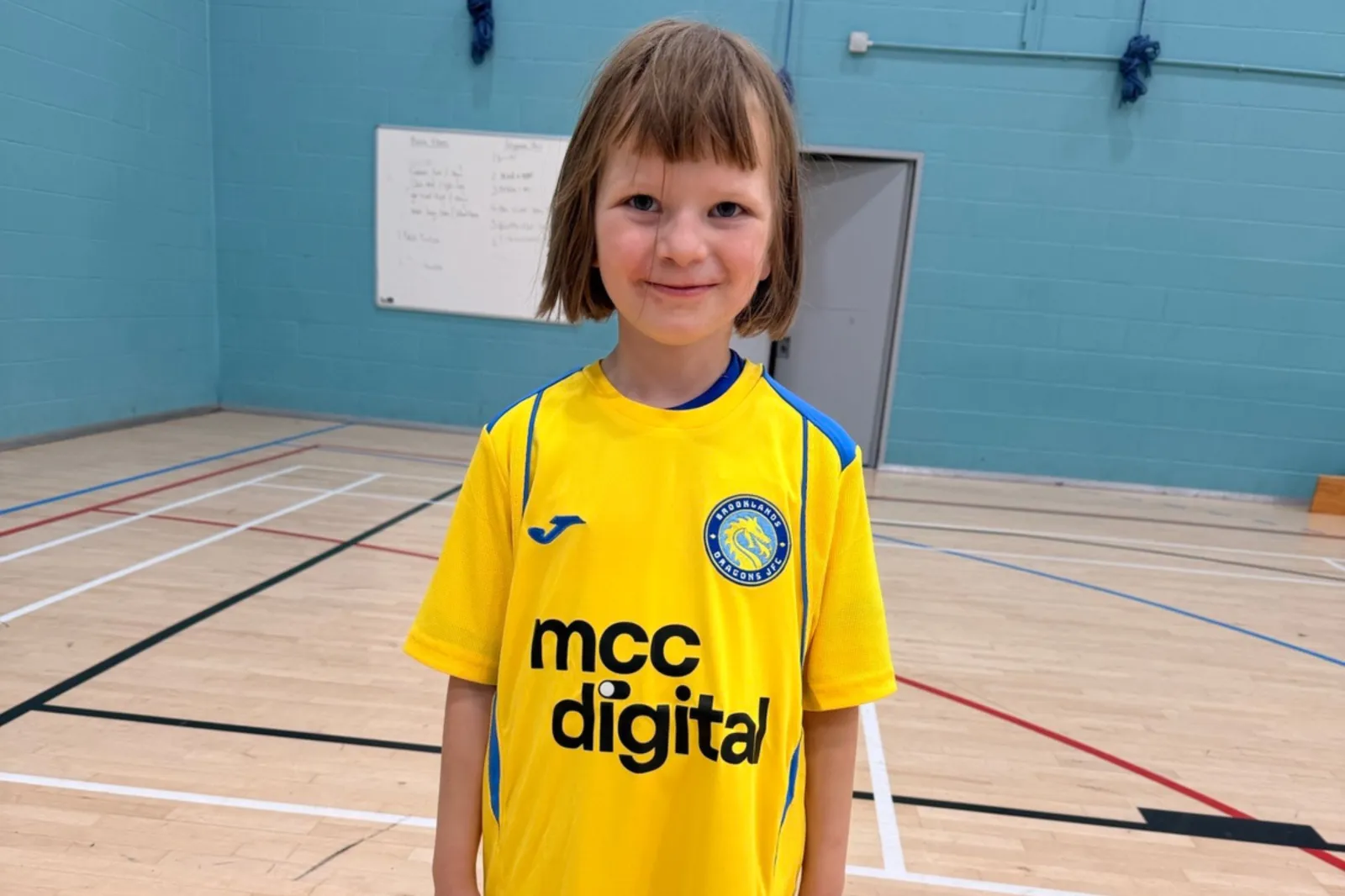
Now, six years later we look at this strong, fearless, beautiful little girl with nothing but pride. She has overcome more in her short life than most people ever will.
...
View 0 Comments
Submit Correction
View Editorial & AI Guidelines