...

By Khaleda Rahman
National Correspondent
0
Share
Newsweek is a Trust Project member
See more of our trusted coverage when you search.Prefer Newsweek on Googleto see more of our trusted coverage when you search.
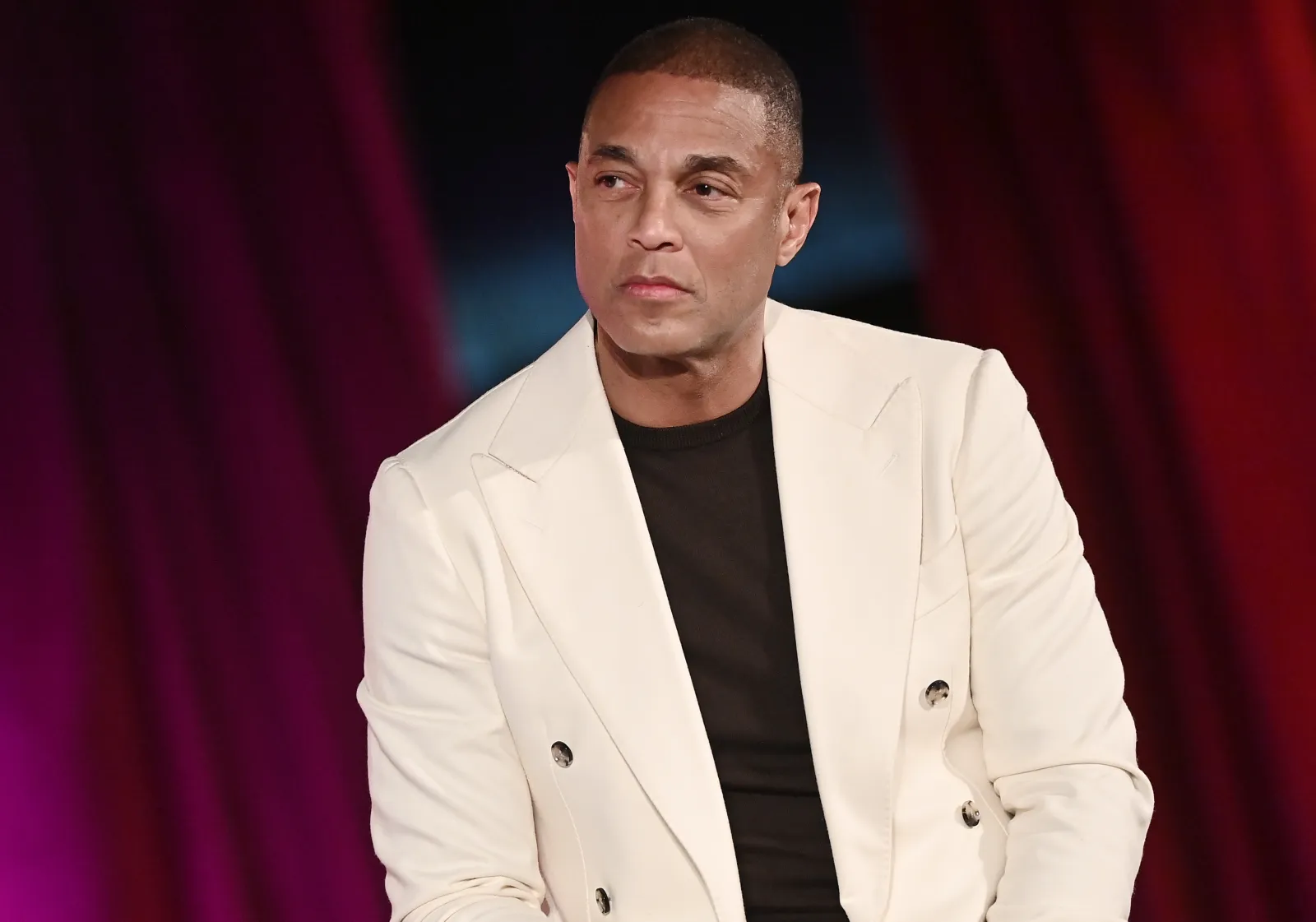
A judge has rejected the Trump administration's bid to delay Don Lemon's case after the journalist was hit with federal civil rights charges over his coverage of an anti-Immigration and Customs Enforcement protest at a Minnesota church.
According to a court order reviewed by Newsweek, U.S. Magistrate Douglas Micko on Monday rejected the government's motion to designate the case as complex under the Speedy Trial Act and allow a three-month extension for discovery obligations.
However, the judge agreed that more time was justified because of the volume of material involved, extending the government's deadline for disclosures by 30 days.
Read More on News
Lemon, independent journalist Georgia Fort and others were indicted on charges of conspiracy and interfering with the First Amendment rights of worshippers after protesters disrupted a January 18 service at the Cities Church in St. Paul, where an ICE official served as a pastor.
Lemon and Fort have pleaded not guilty to the charges.
...
Why It Matters
The case has drawn national attention. Critics have called it an attack on press freedom, with legal experts and media groups warning that it could have a chilling effect on coverage of President Donald Trump's administration. Trump and his administration have repeatedly criticized reporting by media outlets, accusing them of pushing false narratives about White House policies and actions, including on immigration enforcement.
Prosecutors allege the protest inside the church interfered with congregants' rights to worship.
The church protest occurred at a time when tensions over immigration enforcement were high in Minnesota following the fatal shooting of Renée Good, a U.S. citizen, by an ICE agent on January 7. Another American, Alex Pretti, was fatally shot by Border Patrol agents on January 24.
What To Know
In his order, Micko wrote that the court did not disagree with the government entirely that the case had the potential to "become unwieldy when tested by the Speedy Trial Act."
But he said it "would be an abuse of discretion to designate a case complex now based on the potential of complexity."
He noted that the case involved nine defendants who were "all charged with the same offenses arising out of the same discrete course of conduct. That is not particularly complex."
Attorneys for the Justice Department had argued in a motion filed on February 17 that the case should be designated as complex and deadlines extended by 90 days because of the "volume, complexity, and scope of the investigative materials."
The government estimated discovery would include about 2,000 pages of documents, multiple videos of the incident, interviews with church members, photographs, and data from cellphones and social media, according to the motion.
Attorneys for Lemon and Fort urged the judge to reject the motion, arguing the request for a three-month extension was unwarranted and would violate their right to a speedy trial. The Speedy Trial Act requires federal criminal trials to begin within 70 days of indictment or a defendant's initial appearance, whichever is later.
They wrote that Lemon and Fort were "eager to clear their names" and "seek to move the case forward expeditiously because they believe the caselaw will support the dismissal of the charges." They argued the government rushed to charge for political reasons but was now asking the court to "slow things down" because it filed charges without completing any investigation or organizing the evidence in its possession.
The attorneys also argued that the government's motion "described routine discovery issues" that exist in virtually all criminal cases in the district. Their filing said Lemon and Fort would not object to a 21-day extension to complete discovery.
What People Are Saying
Judge Douglas Micko wrote in the order: "It is in the interest of justice to provide additional time for those disclosures and, just as importantly, to allow defendants time to review and analyze the government's discovery in advance of pretrial motion practice."
Don Lemon said in a statement after pleading not guilty to the charges earlier in February: "For more than 30 years, I've been a journalist and the power and protection of the First Amendment has been the underpinning of my work."
He added: "The events before my arrest, and what's happened since, show that people are finally realizing what this administration is all about. For them, the process is the punishment. And like all of you here in Minnesota, the great people of Minnesota, I will not be intimidated, I will not back down and I will fight these baseless charges."
Deputy Attorney General Todd Blanche said on ABC's This Week on February 1 that Lemon "can raise defenses in court to the extent he wants to, but nobody in this country should feel comfortable storming into a church while it's ongoing and disrupting that church service and thinking that we're just going to stand by and let that happen because there is a statute that does not allow that to happen.
"It doesn't matter if you happen to be a former CNN journalist. It doesn't matter if you're a rioter. It doesn't matter if you think you're peacefully protesting. You are not allowed to do that."
Attorney General Pam Bondi said in a video posted on X in late January: "Make no mistake. Under President Trump's leadership and this administration, you have the right to worship freely and safely. And if I haven't been clear already, if you violate that scared right, we are coming after you."
What Happens Next
The judge's order said the government must make all discovery disclosures by March 26, while defendants must make all disclosures by April 2. Defendants must file pretrial motions on or before April 9, the order said.
In a polarized era, the center is dismissed as bland. At Newsweek, ours is different: The Courageous Center—it's not "both sides," it's sharp, challenging and alive with ideas. We follow facts, not factions. If that sounds like the kind of journalism you want to see thrive, we need you.
When you become a Newsweek Member, you support a mission to keep the center strong and vibrant. Members enjoy: Ad-free browsing, exclusive content and editor conversations. Help keep the center courageous. Join today.


View 0 Comments
Submit Correction
View Editorial & AI Guidelines