
...

By Robert Birsel
Reporter
0
Share
Newsweek is a Trust Project member
See more of our trusted coverage when you search.Prefer Newsweek on Googleto see more of our trusted coverage when you search.
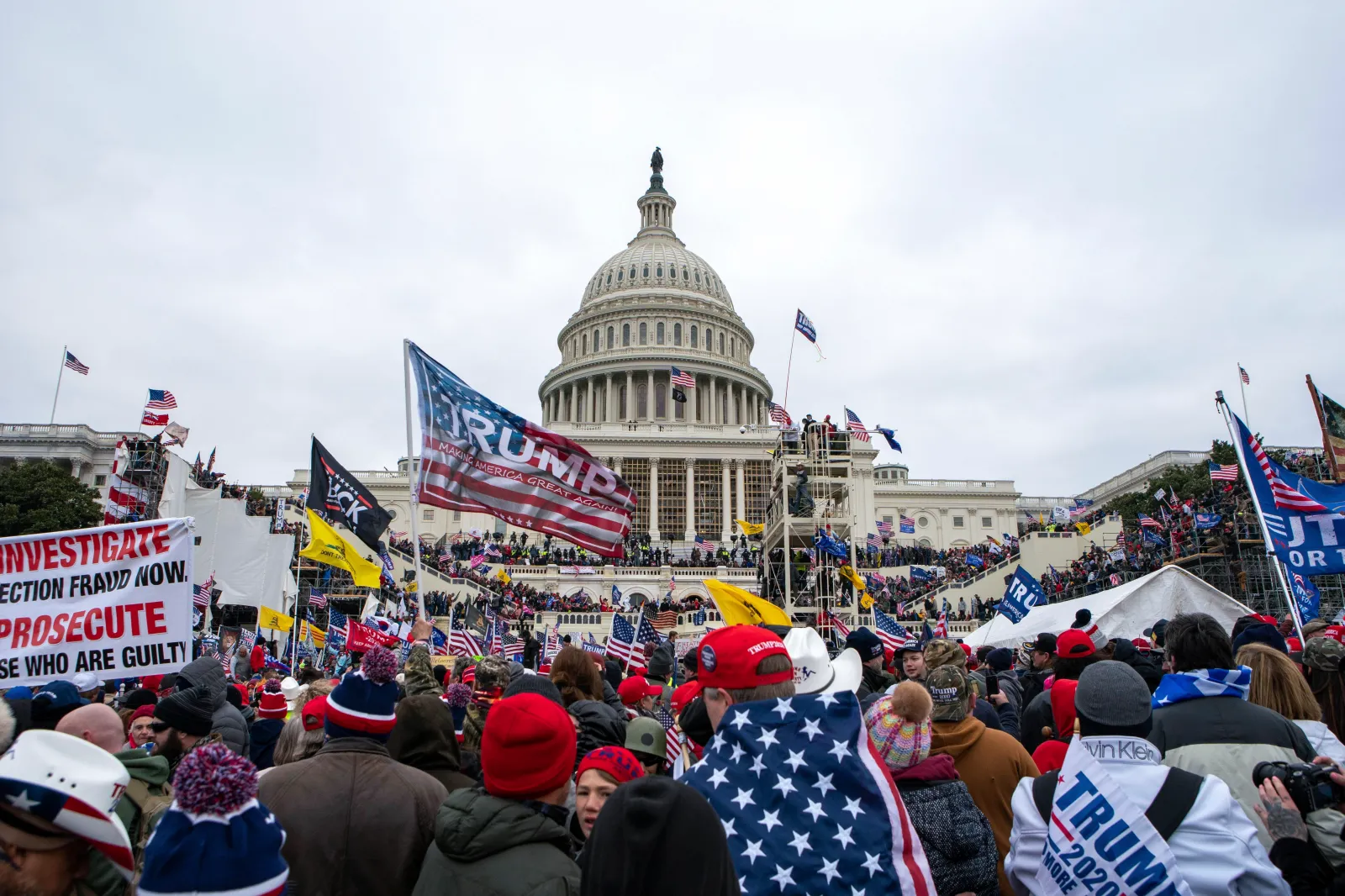
President Donald Trump has reportedly asserted executive privilege to prevent his courtroom opponents from getting access to evidence in the lawsuit in which he is accused of stoking violence at the Capitol on January 6, 2021.
Newsweek contacted the White House for comment by email after office hours.
Why It Matters
What occurred on January 6, 2021—when Trump supporters attacked the Capitol to stop Congress from certifying Joe Biden's win in the 2000 election—has become one of the most contentious political issues of recent years.
Read More on News
The attack caused millions of dollars of damage at the Capitol and about 140 police officers were injured, some of whom brought legal action.
Ashli Babbitt, an Air Force veteran, was fatally shot by police during the event, while trying to climb through a barricaded door to enter the Speaker's Lobby on January 6. An investigation found that the officer's shooting was justified.
What To Know
It is unclear exactly which records Trump is aiming to keep out of the hands of the plaintiffs in the lawsuit.
However, Politico has reported that a White House spokesperson confirmed that the president has decided to fight disclosure of some material subpoenaed last year from the National Archives and Records Administration.
"The President asserted executive privilege over the discovery requests in this case because the overly broad requests demanded documents that were either presidential communications or communications among the president’s staff that are clearly constitutionally protected from discovery," the spokesperson, Abigail Jackson, said in a statement.
The police officers who filed the lawsuit say Trump’s remarks to a crowd of supporters fueled the riot that nearly derailed the transfer of power from Trump to Joe Biden.
Lawyers for the officers have complained about long delays in getting access to White House records from Trump's first term in office, which are now in the custody of the National Archives, Politico reported.
In January 2022, when Trump was a former president, the Supreme Court ruled that he could not exert executive privilege to block the release of White House records to the House's January 6 committee.
The Legal Information Institute defines executive privilege as the authority claimed by the president and other executive branch officials to withhold certain confidential communications from disclosure to the judicial or legislative branches.
During a hearing on Wednesday before U.S. District Judge Amit Mehta, Department of Justice (DOJ) attorney Alexander Haas said he did not have details about the volume of records Trump is seeking to withhold, or whether a log of the items has been prepared, Politico reported.
On January 20, 2025, the day of Trump's inauguration, he kept a campaign promise and pardoned nearly all defendants charged with offenses related to the riot at the Capitol, a total of about 1,500 people. The pardons included people convicted of violent crimes against law enforcement.
Last month, Trump pardoned a long list of allies accused of trying to overturn the 2020 presidential election,
What People Are Saying
In an interview with Newsmax on March 25, Trump said of the January 6 rioters: "A lot of the people in government really like that group of people."
What Happens Next
DOJ lawyer Alexander Haas told the Wednesday court hearing that next week he would share some details of the records the president is seeking to withhold.
...
View 0 Comments
Submit Correction
View Editorial & AI Guidelines