
...

By Sam Stevenson
Associate News Editor
0
Share
Newsweek is a Trust Project member
See more of our trusted coverage when you search.Prefer Newsweek on Googleto see more of our trusted coverage when you search.
A federal judge has blocked a provision from Congress's July legislation that sought to strip Medicaid funding from Planned Parenthood and its affiliates in 22 states.
The measure, part of President Donald Trump's signature tax and domestic policy bill, was ruled likely to impose an unconstitutional burden on states by requiring them to apply vague criteria.
A U.S. Department of Health and Human Services spokeswoman told Newsweek: "HHS is disappointed in the court’s decision. We remain committed to protecting the integrity of Medicaid programs to ensure full compliance with the law and conditions set by Congress."
Read More on News
White House spokesman Kush Desai told Newsweek THAT the Trump administration was "implementing a multi-faceted approach to revive American communities and families," citing Trump Accounts for newborns, and an "economic agenda of tariffs, deregulation, and tax cuts to drive trillions in investments to make and hire in America."
He added: "The Administration is committed to robustly addressing the problems underlying family formation in America."
...
Why It Matters
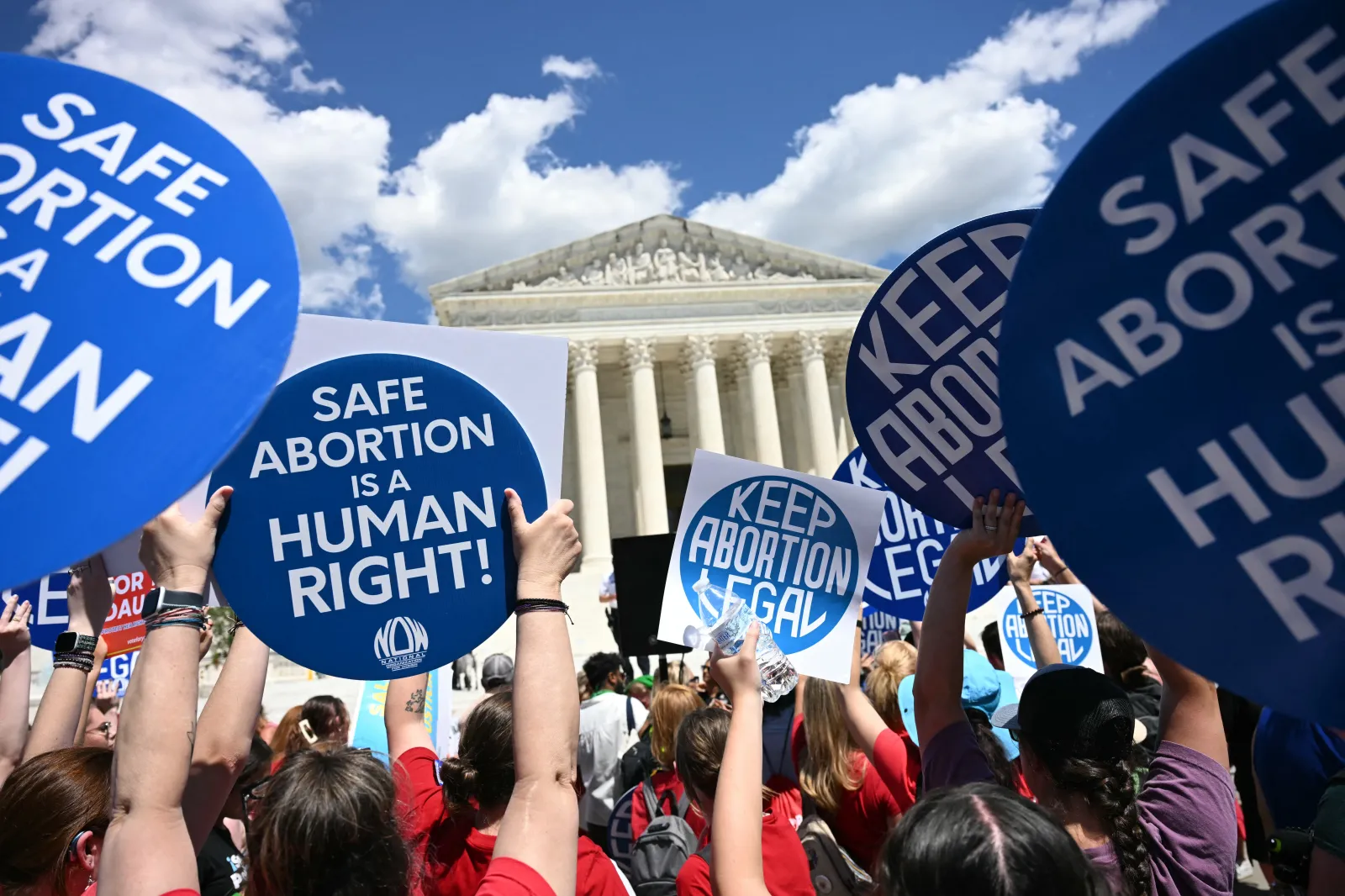
A federal court's decision to block Trump's administration from enforcing a Medicaid funding ban on Planned Parenthood and similar providers signals a major development in the long-running national battle over abortion access and health funding.
The ruling—which comes as Planned Parenthood clinics have reported closures, reduced services and increased financial strain since the legislation took effect—affects millions of low-income Americans who rely on Medicaid for reproductive and preventive health care.
What To Know
On Tuesday, U.S. District Judge Indira Talwani in Boston, who was appointed by Democratic President Barack Obama, issued a preliminary injunction halting the enforcement of a provision in Trump's signature tax and domestic policy bill—commonly referred to as the One Big Beautiful Bill Act.
The provision, passed by the Republican-led Congress in July, would block Medicaid funding for tax-exempt organizations that offered family planning and reproductive health services if they also performed abortions and received over $800,000 in Medicaid reimbursements in fiscal year 2023.
The preliminary injunction is limited to the District of Columbia and 22 states that challenged the law, led by Democratic attorneys general from California, Connecticut and New York.
Talwani described the law as "impermissibly ambiguous," adding that allowing it to continue would "increase the percentage of patients unable to receive birth control and preventive screenings, thereby prompting an increase in states' health care costs," Reuters reported.
The block follows months of legal wrangling. An earlier ruling from Talwani had also paused the law's enforcement, but a federal appeals court allowed the ban to take effect in September while further litigation proceeded.
Following implementation, Planned Parenthood reported that at least 20 clinics had closed since July, citing the unsustainable financial burden placed on health centers forced to provide Medicaid-funded care out of pocket, PBS reported.
Planned Parenthood said almost half of its patients depended on Medicaid for essential care—such as testing for sexually transmitted infections, cancer screenings and contraception—though federal law still bars Medicaid from covering abortion services.
What People Are Saying
Planned Parenthood said in a statement: "The district court again recognized the 'defund' law for what it is: unconstitutional and dangerous."
Alexis McGill Johnson, the president and CEO of Planned Parenthood, told The Associated Press last month: "The consequence is for patients who are going to be forced to make impossible choices between essential services."
She added on a call with reporters last month, per Politico: "While Planned Parenthood health centers are committed to ensuring patients can get the care they need, they can't continue to absorb tens of millions of dollars in additional costs each month."
Carol Tobias, the president of the National Right to Life Committee, said of taxpayers indirectly contributing to abortion services via Medicaid reimbursements: "To be forced to pay for that is just very objectionable."
White House spokesman Kush Desai told Newsweek: “The Trump administration is implementing a multi-faceted approach to revive American communities and families—expanding access to fertility treatments, funding Trump Accounts for newborns, and implementing an economic agenda of tariffs, deregulation, and tax cuts to drive trillions in investments to make and hire in America.
"With over one in 10 young adults in America neither employed, in higher education, nor pursuing vocational training, the Administration is committed to robustly addressing the problems underlying family formation in America.”
What Happens Next
Talwani's injunction is on hold for seven days pending an appeal from the Trump administration, per Reuters.
If higher courts uphold the injunction, Medicaid reimbursements to Planned Parenthood and similar providers may resume in the affected states, safeguarding access to a range of health services for low-income individuals. Conversely, a reversal could renew funding bans and increase service gaps for Medicaid recipients.
Update 12/3/25 10:10 a.m. ET. This article was updated with a statement from the U.S. Department of Health and Human Services.
Update 12/4/25 2 a.m. ET: This article has been updated with a White House statement.
View 0 Comments
Submit Correction
View Editorial & AI Guidelines