10
Loading video...

By Hugh Cameron
Reporter
0
Share
Newsweek is a Trust Project member
See more of our trusted coverage when you search.Prefer Newsweek on Googleto see more of our trusted coverage when you search.
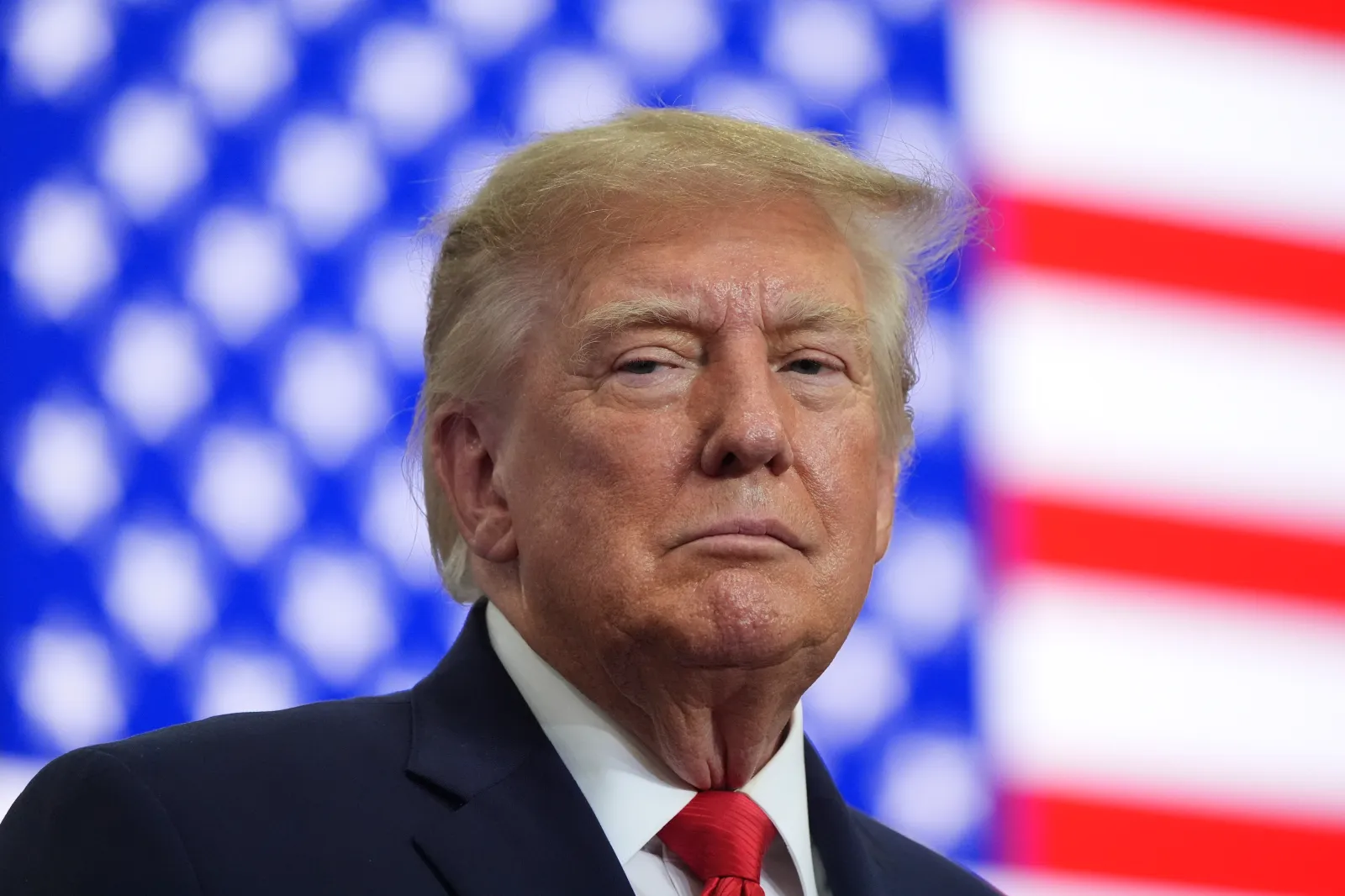
The final inflation report voters will see before the 2026 midterms showed prices rose even faster than expected in September, another blow for President Donald Trump and Republicans as they face significant headwinds in an election focused heavily on affordability.
According to the Consumer Price Index (CPI) released by the Bureau of Labor Statistics (BLS) on Wednesday morning, consumer prices rose 0.6 percent in September, compared to 0.4 percent the month prior. On an annual basis, headline inflation accelerated to 3.7 percent from 3.4 percent.
The 12-month rate came in slightly faster than analyst forecasts of 3.6 percent and, outside of May and April, reached its highest level since September 2023.
Read More on Politics
Core inflation—which strips out the more volatile food and energy categories—came in at 0.3 percent and 2.6 percent on a monthly and annual basis, respectively. This compares with 0.3 percent and 2.4 percent in August, and forecasts of 0.2 percent and 2.5 percent.
The White House has blamed rising prices on the previous administration, with National Economic Council Director Kevin Hassett telling Fox News this week that voters’ economic frustrations should be directed at “the runaway inflation that Joe Biden gave us.” The administration has also argued that increased fuel prices driven by the Iran war will fall quickly at the end of the conflict.
Speaking to reporters after his Arizona midterm rally Wednesday, Trump responded to the latest inflation figures by saying, “We’re doing great,” and argued that his administration had inherited high inflation from former President Joe Biden. He also predicted the Iran war would “end very shortly,” saying energy prices would then “fall very rapidly, very fast.”
Why This Report Mattered
The next CPI will be released on November 10, making Wednesday’s reading the final one ahead of the November 3 midterms. Polls indicate that Election Day will be heavily influenced by voters’ views of the economy.
Some 37 percent of respondents told Economist/YouGov pollsters that inflation was their top issue in this year’s elections, beating all other choices and marking the highest share for rising prices since tracking began in 2022. In the survey of 1,381 registered voters conducted October 2 to 5, jobs and the economy came in second at 12 percent, followed by health care (8 percent) and immigration (7 percent).
...
Surveyed voters have routinely picked soaring prices as their top election issue, a concerning signal for the administration and Trump’s party given their downbeat feelings about the topic.
The University of Michigan’s latest consumer sentiment index showed that assessments of current economic conditions slipped to a record low of 44.7 in October from 50.9 in September.
Just 21 percent of those polled by Pew Research Center between September 28 and October 4 rated the economy as either excellent or good, with 37 percent describing conditions as fair and 42 percent as “poor.” Nearly three-quarters (73 percent) said they were “very concerned” about the price of food and other consumer goods, and that number rose to 74 percent for the cost of gasoline and energy.
An AP-NORC poll of 2,140 adults, fielded September 24 to 28, found that 65 percent blamed stubborn inflation on Trump, with 26 percent approving of his broader economic stewardship and only 17 percent of his approach to the cost of living.
This level of blame for higher costs rises to 78 percent in the latest Reuters/Ipsos poll of 4,506 American adults. Sixty-eight percent of respondents said they were dissatisfied with Trump’s handling of inflation, and 57 percent of polled Republicans said prices were rising faster than their wages.
Beyond electoral implications, Wednesday’s report will also be the final CPI reading used to determine next year's Social Security cost-of-living adjustment (COLA). Recent surveys show that seniors, in particular, worry these increases will fall short of helping with rising costs. An AARP survey found that 76 percent of Americans aged 50 and over think a 3.5 percent increase for 2027 would fail to meaningfully address growing affordability challenges.
Related Story

Americans’ Economic Fears Surge Ahead of Midterm Elections
Economists also believe faster inflation could increase the odds that the Federal Reserve will hike interest rates again. In September, the central bank’s policymaking committee increased rates for the first time since 2023 amid what officials described as "elevated" inflation and uncertainty.
While the Trump administration is pushing for lower rates to boost economic activity, the CME FedWatch tool shows the odds of another 25-basis-point hike at the October 28 meeting have doubled to 44 percent after Wednesday’s reading.
“Not a good CPI number,” Robin Brooks, a senior fellow at the Brookings Institution, posted on X. “Last month it was wireless services that spiked core inflation and were a reasonable excuse for the Fed to pause later this month. But today's reading puts an October hike back on the table. If the Fed doesn't hike, debasement wins.”
What Was in the Report?
According to the BLS, energy was once again a leading driver of gains. The index rose 5.2 percent in September—with gasoline up 9.1 percent—and accounted for more than half of last month's overall gains. The energy index is up 20.4 percent from the same month in 2025, largely driven by the war in Iran and related supply issues.
While down from their recent peak of around $4.50 per gallon, U.S. gas prices broke a separate record this week. According to AAA, the average cost has stayed above $4 for now 158 days, surpassing the previous record set in 2022 under then-President Joe Biden.
Beyond gas, fuel oil rose 15.3 percent in September and is up 74.2 percent over the previous 12 months, while airline fares rose 22.4 percent over the same period, both contributing to the 3.7 percent annual rate.
This headline figure is now comfortably higher than the 3 percent wage growth recorded in the BLS’s recent employment report, meaning that rising prices have outpaced Americans’ pay increases on average over the past year.
Want access to the latest insights on politics and economics? Sign up here to follow the money with Hugh Cameron and Newsweek’s Accountable Newsletter each week, from the fiscal debates dominating Washington to the real-world impact on your wallet.
Contact Newsweek editors on this story: Daniel Orton and Sam Wilson.
View 0 Comments
Submit Correction
View Editorial & AI Guidelines