...

By Mandy Taheri
Reporter
0
Share
Newsweek is a Trust Project member
See more of our trusted coverage when you search.Prefer Newsweek on Googleto see more of our trusted coverage when you search.
As President Donald Trump's sweeping 25 percent tariffs on Mexico and Canada are set to be signed on Saturday, consumers could see higher prices on a range of goods, such as produce, alcohol, and auto parts.
Newsweek has reached out to the White House for comment via email on Friday.
Why It Matters
Trump has repeatedly vowed to impose tariffs on the United States' closest trading partners, citing concerns over drugs, immigration, and trade deficits. The tariffs are expected to heighten tensions between the nations and drive-up consumer prices on a range of goods.
Read More
Trump to Impose Tariffs on Canada and Mexico This Weekend—But Who Pays?5 min read

Donald Trump’s Tariffs on Canada, Mexico May Include Major Exception4 min read

Trump’s Tariffs Could Send Cost of Car Ownership Skyrocketing8 min read

The tariffs contrast with existing trade agreements that establish tariff-free commerce between the North American countries, including the United States Mexico Canada Agreement (USMCA), which Trump negotiated during his first term.
The potential economic consequences extend beyond price hikes as Canada and Mexico are expected to retaliate.
When Could Donald Trump's Tariffs Plan Roll Out?
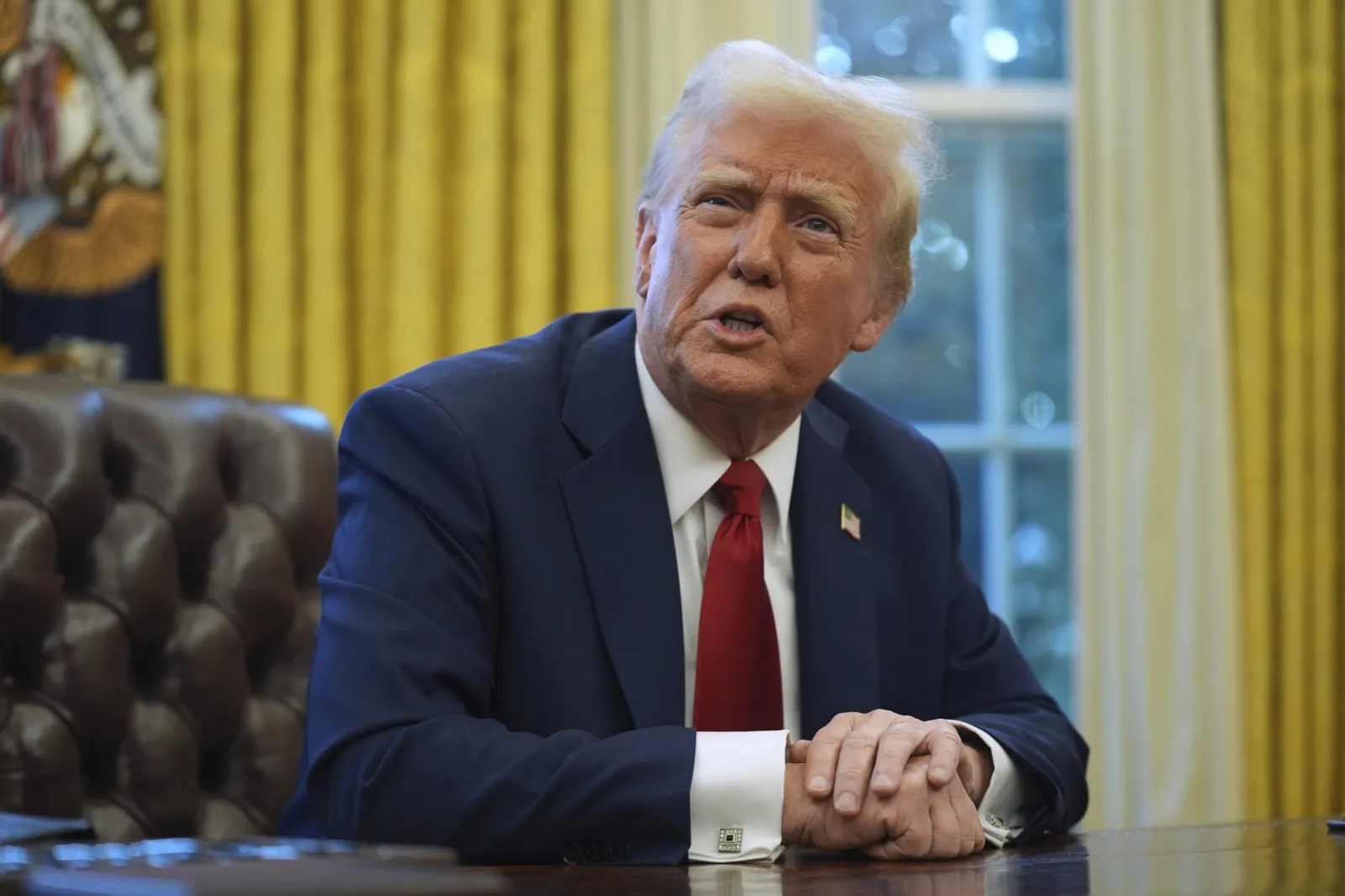
Trump confirmed he is imposing the tariffs on Saturday in a meeting with reporters at the White House on Thursday.
The order may have more specific details about implementation timeline, but as of now it's expected they would go into effect immediately on February 1. However, there are likely legal challenges and uncertainty surrounding the new implementation.
...
What Are Some Items That Could Go Up in Price?
It is unclear if the president will exclude oil from the tariffs, having told reporters on Thursday, "Oil is going to have nothing to do with it, as far as I'm concerned," but then later said that oil "may or may not" be covered by the tariffs.
Canada, the third largest exporter of goods to the U.S., provides the lion's share of American oil imports. In 2023, Canada accounted for 52 percent of the U.S.'s petroleum imports and almost all of its natural gas imports, the U.S. Energy Information Administration reported. Mexico, meanwhile, accounted for 11 percent of U.S. oil imports in 2023.
1. Produce
Many grocery items are expected to be impacted, which is in contrast to Trump's campaign to bring down high grocery prices. Mexico is a key exporter of fresh fruits and vegetables to the U.S., supplying essential produce, especially during the winter months.
The United States Department of Agriculture (USDA) reported that Mexico supplied 63 percent of the U.S. vegetable imports and 47 percent of the fruit and nut imports.
As Mexico's largest trading partner, the U.S. imported around $38.5 billion in agricultural goods from the country in 2023, per the USDA.
Newsweek has reached out to the USDA for comment via email on Friday.
It is expected that if the tariffs go into effect, tomatoes, avocados, cucumbers, jalapenos, limes, mangos, and other typical produce imports from Mexico will increase in price. Canada exports fruits and vegetables, many grown in greenhouses, to the U.S. along with maple products, as well as beef and pork exports.
2. Alcohol
The U.S., Mexico's largest market for tequila, imports large quantities of tequila, mezcal, beer and other beverages from the country, all which would be privy to the 25 percent tariff.
Modelo, which in 2023 overtook Bud Light as America's bestselling beer, is made in Mexico by Grupo Modelo, which also exports other brands, including Corona and Pacifico.
3. Auto Parts and Cars
Mexico and Canada contribute heavily to the American auto industry, from vehicles to car parts, and are a key playing in supply chains.
"Tariffs on any country that imports cars or car parts are likely to raise the costs of buying and/or repairing cars," LendingTree writer and licensed insurance expert Rob Bhatt previously told Newsweek.
Who Pays Tariffs on Imports?
Typically, businesses that import foreign goods pay the tariffs and often pass the higher costs to consumers through increased prices, particularly in grocery stores where they often operate on tiny margins.
The premise of the tariffs is to grow the American economy by incentivizing consumers to purchase American-made goods. Trump has said the move will increase revenue, balance out trade, and bring the countries to the negotiating table.
How Could Tariffs Affect the Stock Market?
Tariffs could affect the stocks of companies most impacted, including those in manufacturing, automotive, and agriculture. If tariffs drive up consumer prices, spending may decline, potentially slowing economic growth and weighing on the stock market.
However, domestic industries and producers could see stock gains as they attract more attention.
What People Are Saying
President Donald Trump told reporters last week: "We're thinking in terms of 25 percent [tariffs] on Mexico and Canada because they're allowing vast numbers of people—Canada's a very bad abuser also—vast numbers of people to come in, and fentanyl to come in."
Mexican President Claudia Sheinbaum said Friday, per the Associated Press: "Now it is very important that the Mexican people know that we are always going to defend the dignity of our people, we are always going to defend the respect of our sovereignty and a dialogue between equals, as we have always said, without subordination."
Canadian Prime Minister Justin Trudeau said Friday, per the AP: "We're ready with a response, a purposeful, forceful but reasonable, immediate response. It's not what we want, but if he moves forward, we will also act."
Kimberly Clausing, an economist and a professor at the UCLA School of Law, previously told Newsweek: "Even very high tariffs could only replace a minority of the revenue raised by income taxation, and such high tariffs would cripple the economy."
Anthony Scaramucci, former White House communications director during Trump's first term who is now a Trump critic, wrote on X, formerly Twitter, on Friday morning: "But these tariffs don't do that. In fact they hurt American manufacturers by raising the costs on raw materials. Let's try again."
What Happens Next
Trump is also in the process of implementing a 10 percent tariff on China, another top U.S. trading partner.
Meanwhile, researchers at Oxford Economics, an economic advisory firm, predicted Canada's gross domestic product would decline by 2.5 percent by early 2026, inflation and unemployment would rise sharply, and it would "push Canada into a recession in 2025" if the tariffs go ahead.
Update 1/31/25 3:26 p.m. ET: This article has been updated with additional information.
View 0 Comments
Submit Correction
View Editorial & AI Guidelines