...


By Gabe Whisnant and Joshua Rhett Miller
0
Share
Newsweek is a Trust Project member
See more of our trusted coverage when you search.Prefer Newsweek on Googleto see more of our trusted coverage when you search.
The Equal Employment Opportunity Commission (EEOC) on Tuesday sued The New York Times, alleging the media company discriminated against a white male employee based on race and sex in its hiring practices.
The lawsuit marks an escalation in the Trump administration’s broader effort to challenge corporate diversity, equity and inclusion (DEI) programs it argues may violate federal civil rights law. The case could reshape how major employers approach diversity-focused hiring and promotion policies if courts side with the agency, with potential implications across media organizations and other large companies.
According to the EEOC, the complaint centers on a longtime editor who was passed over for a deputy real estate editor role despite his experience, while all candidates who advanced were not white men and the eventual hire had less relevant experience.
Read More on U.S.
...
A ‘Politically Motivated’ Strike
The New York Times has framed the lawsuit as part of a broader campaign by the Trump administration to target institutions it views as ideological opponents. In a statement, the company rejected the allegations as “politically motivated."
“The New York Times categorically rejects the politically motivated allegations brought by the Trump administration's EEOC,” Danielle Rhoades Ha, the company’s senior vice president of communications, said in a statement provided to Newsweek. “Our employment practices are merit-based and focused on recruiting and promoting the best talent in the world. We will defend ourselves vigorously.”
Company officials said the case centers on a single personnel decision among more than 100 deputy‑level editorial roles, and accused the agency of ignoring context to make broader claims about newsroom practices. They also suggested the EEOC departed from standard procedures during its investigation, characterizing the lawsuit as an attempt to “weaponize” a civil rights agency to achieve political goals.
The legal fight comes amid escalating tensions between the Trump administration and major media organizations, with the president and his allies increasingly relying on legal action and regulatory scrutiny to challenge newsroom practices and coverage. The outcome of the case could test how far federal authorities can go in scrutinizing internal hiring priorities tied to diversity efforts.
‘Alarming’ Trends and Internal Communications
At the center of the EEOC’s case is its allegation that internal decision‑making was influenced by diversity goals that went beyond general policy statements. The complaint cites the Times’ “Call to Action” and related initiatives aimed at increasing the number of women and non‑white employees in leadership, arguing those commitments shaped how candidates were evaluated and advanced through the hiring process.
While the EEOC points to internal Slack communications and hiring practices as evidence of that influence, it argues these materials reflect a broader concern among decision‑makers about the company’s leadership demographics and a push to align outcomes with representation goals. The agency contends that such considerations resulted in “race and sex conscious decision making” in violation of federal law.

...
That interpretation underpins the government’s claim that the process departed from a strictly merit‑based system. Prosecutors allege hiring managers deviated from standard procedures—including who advanced to final interviews—reinforcing their argument that internal priorities, rather than qualifications alone, shaped the outcome.
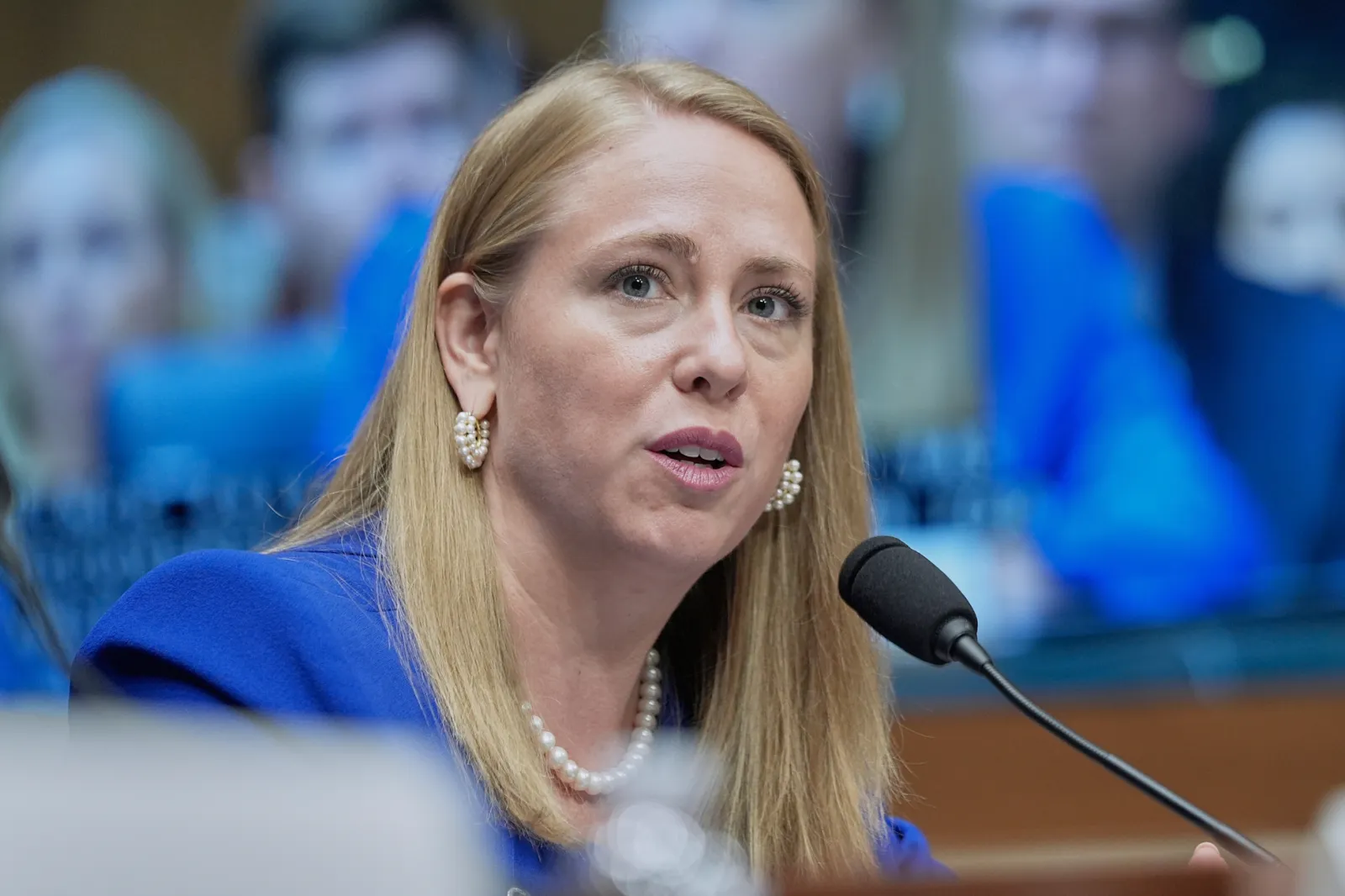
"No one is above the law — including 'elite' institutions. There is no such thing as 'reverse discrimination'; all race or sex discrimination is equally unlawful, according to long-established civil rights principles," EEOC Chair Andrea Lucas said in a statement. "Federal law is clear: making hiring or promotion decisions motivated in whole or in part by race or sex violates federal law. There is no diversity exception to this rule," she added.
The Fight for the ‘Paper of Record’
The lawsuit is being framed by both sides as more than a dispute over a single hiring decision, with broader implications for newsroom culture and hiring practices. For the EEOC, the case represents a test of whether corporate diversity initiatives can cross into unlawful discrimination under federal anti‑bias laws.
For the Times, the stakes extend beyond the courtroom. The company has vowed to “defend ourselves vigorously,” maintaining its hiring practices are merit‑based and that the EEOC’s claims distort a routine editorial hiring process. Officials argue the case risks undermining diversity efforts that many media organizations view as essential to reflecting a broader readership.
The outcome could shape how employers balance diversity goals with federal civil rights law. A ruling for the EEOC could prompt companies to reassess internal hiring practices and public diversity commitments, while a victory for the Times could strengthen the legal footing of DEI programs at a time when they are facing heightened scrutiny.
This is a breaking news article. Updates to follow.
View 0 Comments
Submit Correction
View Editorial & AI Guidelines