...

By Gabe Whisnant
News Editor
0
Share
Newsweek is a Trust Project member
See more of our trusted coverage when you search.Prefer Newsweek on Googleto see more of our trusted coverage when you search.
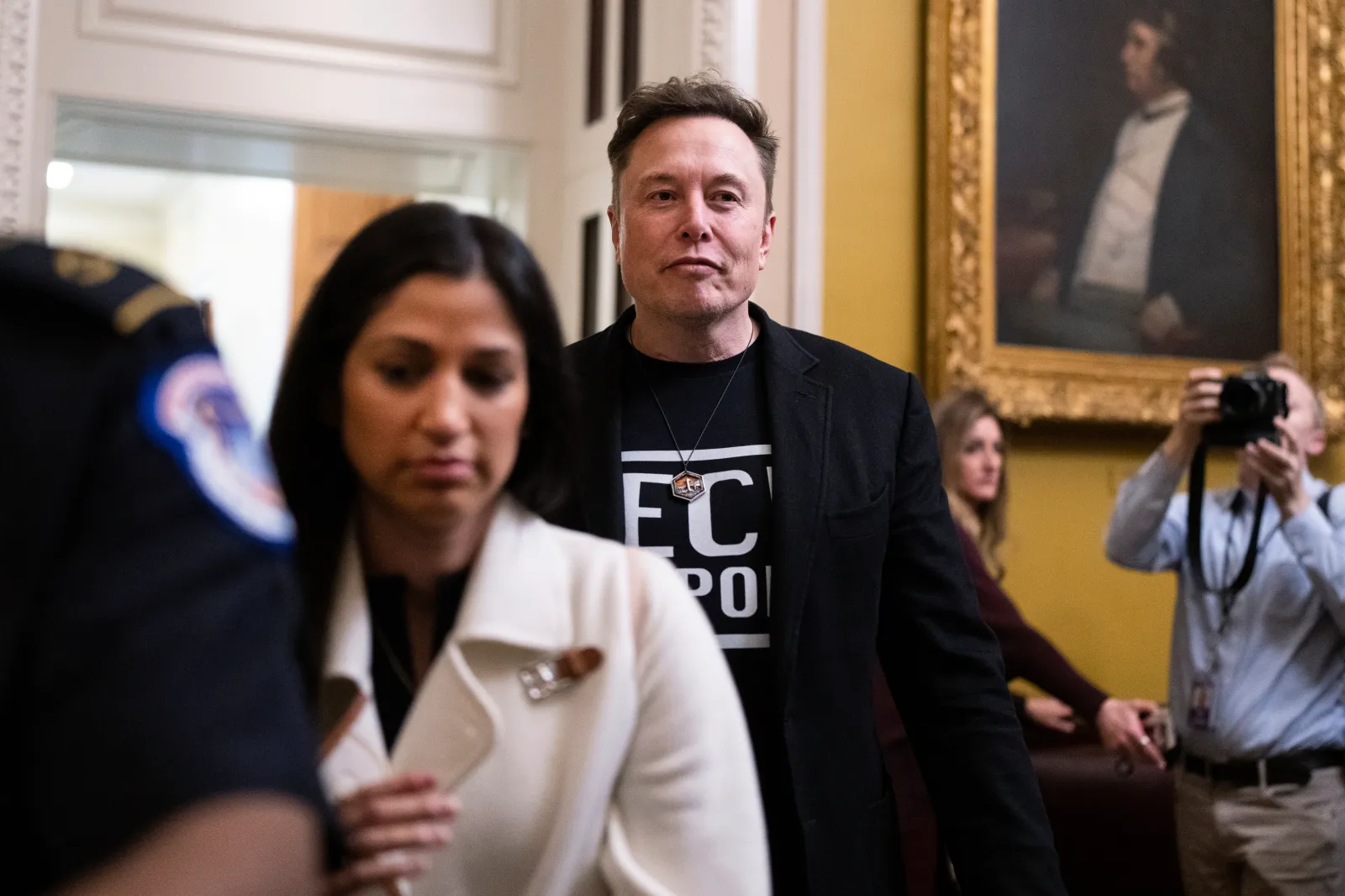
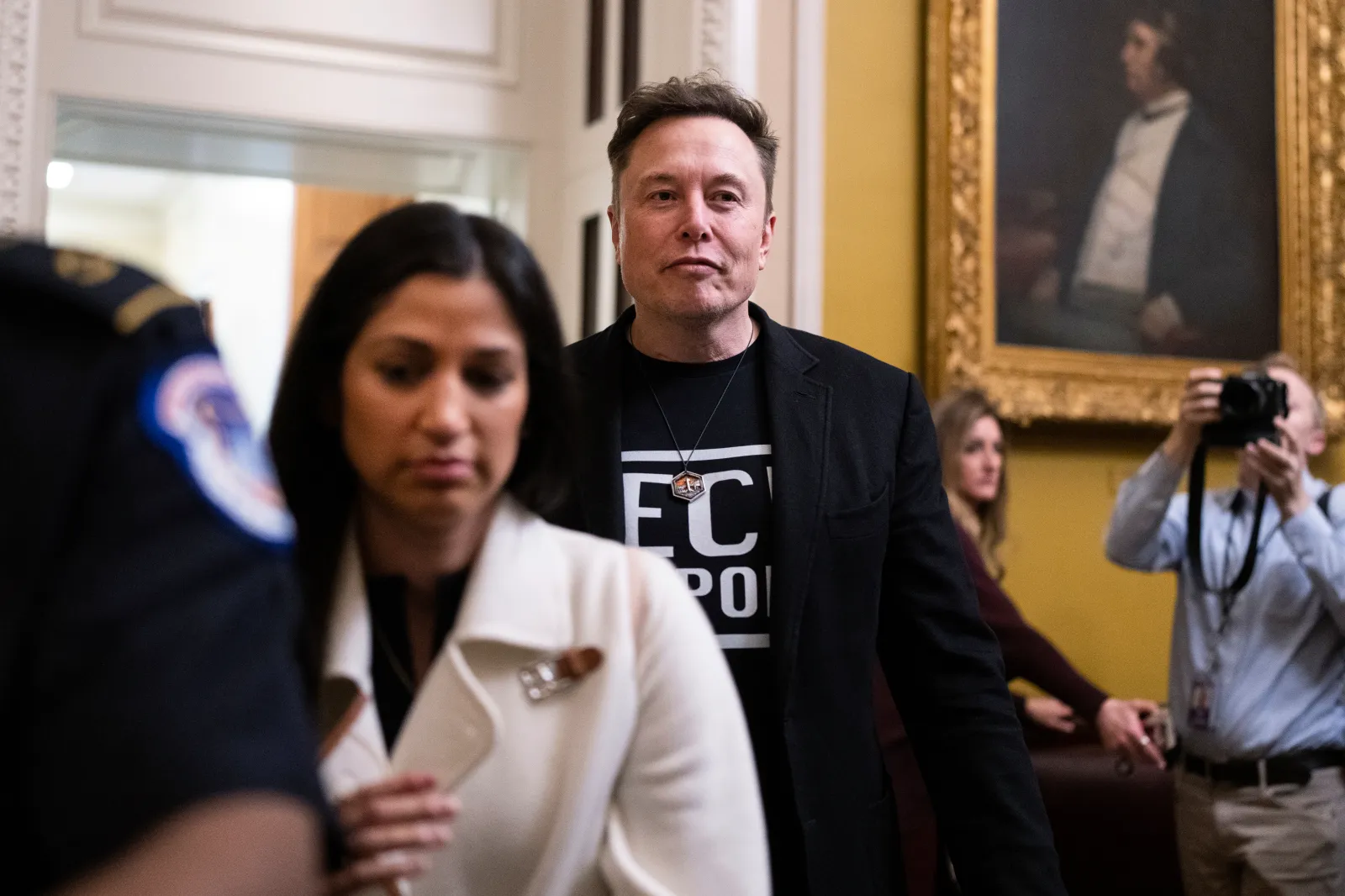
Elon Musk said he regrets leading the Department of Government Efficiency (DOGE), telling former agency spokeswoman Katie Miller that his work for the Trump administration was only “somewhat successful” and ultimately not worth the strain it placed on his businesses.
In a lengthy interview on the “Katie Miller Podcast,” the Tesla and SpaceX CEO said he would not repeat his time heading the short-lived agency, commonly known as DOGE, which the White House shuttered last month.
“We were a little bit successful. We were somewhat successful,” Musk told Miller, now a conservative influencer and one of his aides. But asked whether he would do it again, Musk replied, “I don’t think so. … Instead of doing DOGE, I would have, basically, worked on my companies.”
Read More on News
Why It Matters
Musk departed the administration in the spring after months of controversy surrounding the group’s rapid takeover of federal data systems and its aggressive mandate to cut spending.
...
What To Know
Last month, Scott Kupor, director of the Office of Personnel Management (OPM), told Reuters that DOGE "doesn’t exist" and will no longer function as a "centralized entity," despite the fact that eight months remain on the 18-month agenda outlined by the White House on January 20.
From creation to dissolution, the advisory department went through the D.C. bureaucracy at speed, cutting jobs and contracts in an effort to maximize productivity, slash wasteful spending and root out fraud in federal outlays.
According to its website, DOGE terminated 13,440 contracts, 15,887 grants and 264 leases—estimates that have fluctuated dramatically over its 10-month existence.
DOGE was also the driving force behind many of the headcount reductions made within the federal government this year. In a blog post on Friday, OPM Director Kupor said the government had hired around 68,000 people in 2025, with some 317,000 employees having departed.
Musk said the work was unpopular and made it harder to run his private-sector ventures. He also nodded to public backlash over Tesla, referencing consumer protests in which demonstrators set cars on fire. “They wouldn’t have been burning the cars,” he said wistfully.
Despite the turbulence, Musk continued to defend the agency’s purpose, saying DOGE identified as much as $200 billion annually in what he called “zombie payments” that could be eliminated with better automation. The figure is far smaller than the trillions in savings he once claimed were achievable through a broad efficiency overhaul.
Miller, married to longtime Trump adviser Stephen Miller, did not press Musk on the more controversial aspects of DOGE’s operations, including its sweeping access to agency data. Their 50-minute conversation ranged from government reform to Musk’s views on artificial intelligence, social media and even fashion.
What People Are Saying
On public appearances after his involvement in government, Musk told Miller: “I can’t go to things where there is the general public because there’s an immediate ‘Can I have a selfie line?’ that forms.”
Jonathan Martin, Politico senior columnist wrote on X, "Trump has disappeared it, he’d rather cite his peace deals, but this is a helluva concession about the centerpiece of the first months of the admin: Elon Musk wishes he hadn’t bothered..."
What Happens Next
Musk’s fortunes have improved since leaving government. Tesla shareholders recently approved a compensation package that could make him the world’s first trillionaire, strengthening his argument that he should have stayed focused on his companies rather than the federal bureaucracy.
Updates: 12/10/25, 1:32 p.m. ET: This article was updated with new information and remarks.
This article includes reporting by the Associated Press.
View 0 Comments
Submit Correction
View Editorial & AI Guidelines