...

By Robyn White
Nature Reporter
0
Share
Newsweek is a Trust Project member
See more of our trusted coverage when you search.Prefer Newsweek on Googleto see more of our trusted coverage when you search.
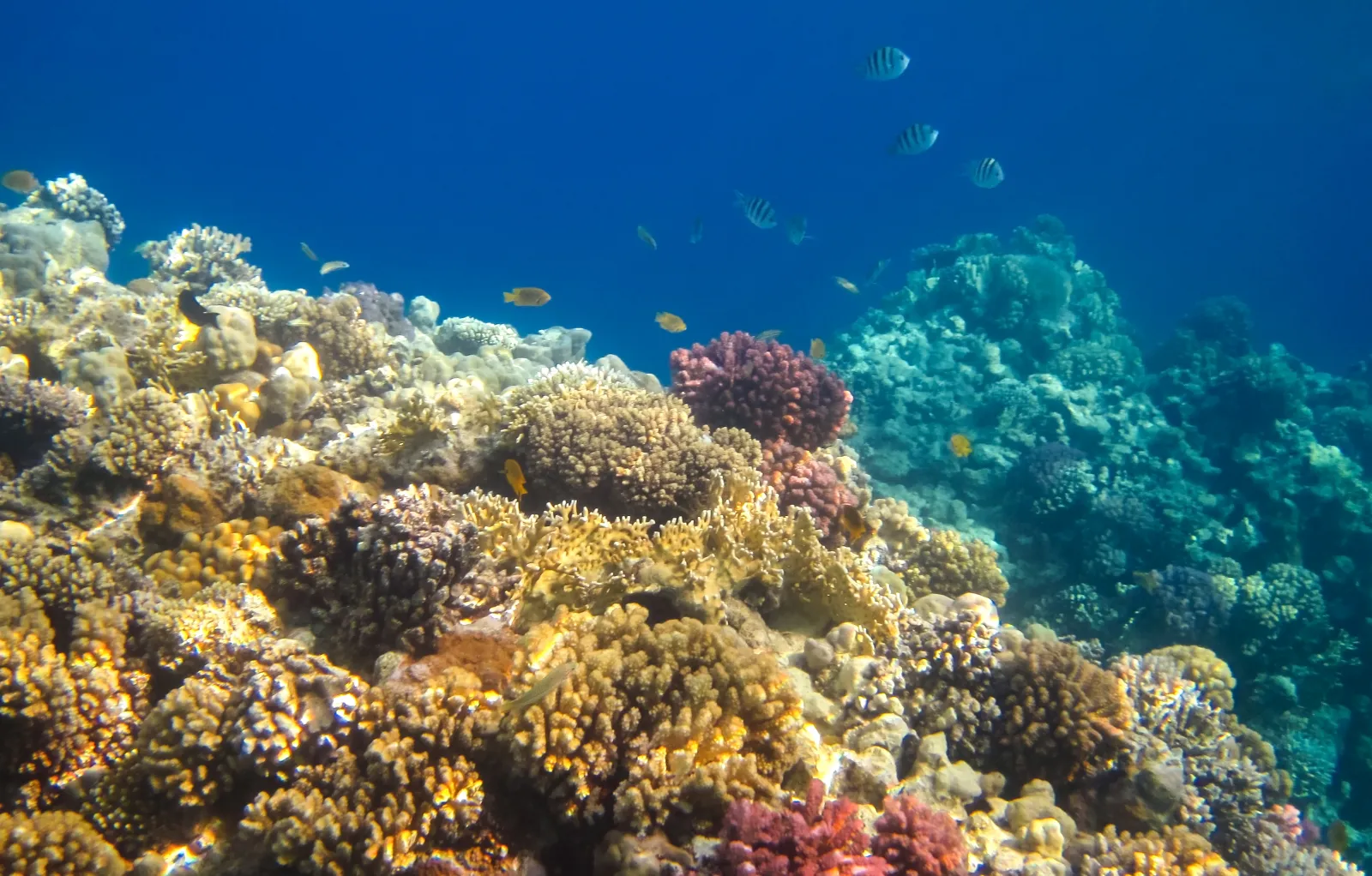
Some species of coral in the Florida Keys have been ravaged, scientists have found, in the wake of a record-breaking marine heatwave.
Researchers from the NOAA's Mission: Iconic Reefs program undertook a mission to see how the 2023 heatwave impacted the corals in the Florida Keys National Marine Sanctuary.
A marine heatwave is a prolonged period of warm ocean temperatures. This extreme water temperature can have severe effects on marine life, including corals. The corals in Florida are famous and important not just for the marine ecosystem but also for the local economy.
Read More
Lake Mead Water Levels Update as Highest Mark in Three Years Reached3 min read

Shark Attacks Man in River, Rips Off Foot and Most of Calf3 min read

Great Lakes Sees Historic Low Ice Coverage—’Crossed a Threshold’3 min read

In 2023, the waters of the Florida Keys saw the hottest temperatures on record. It was the longest marine heat wave recorded in the last 30 years, the National Oceanic and Atmospheric Administration reported. During the heatwave, nursey corals were evacuated as an emergency procedure to limit the effects.
...
However, researchers needed to know how the rest fared against the extreme temperatures.
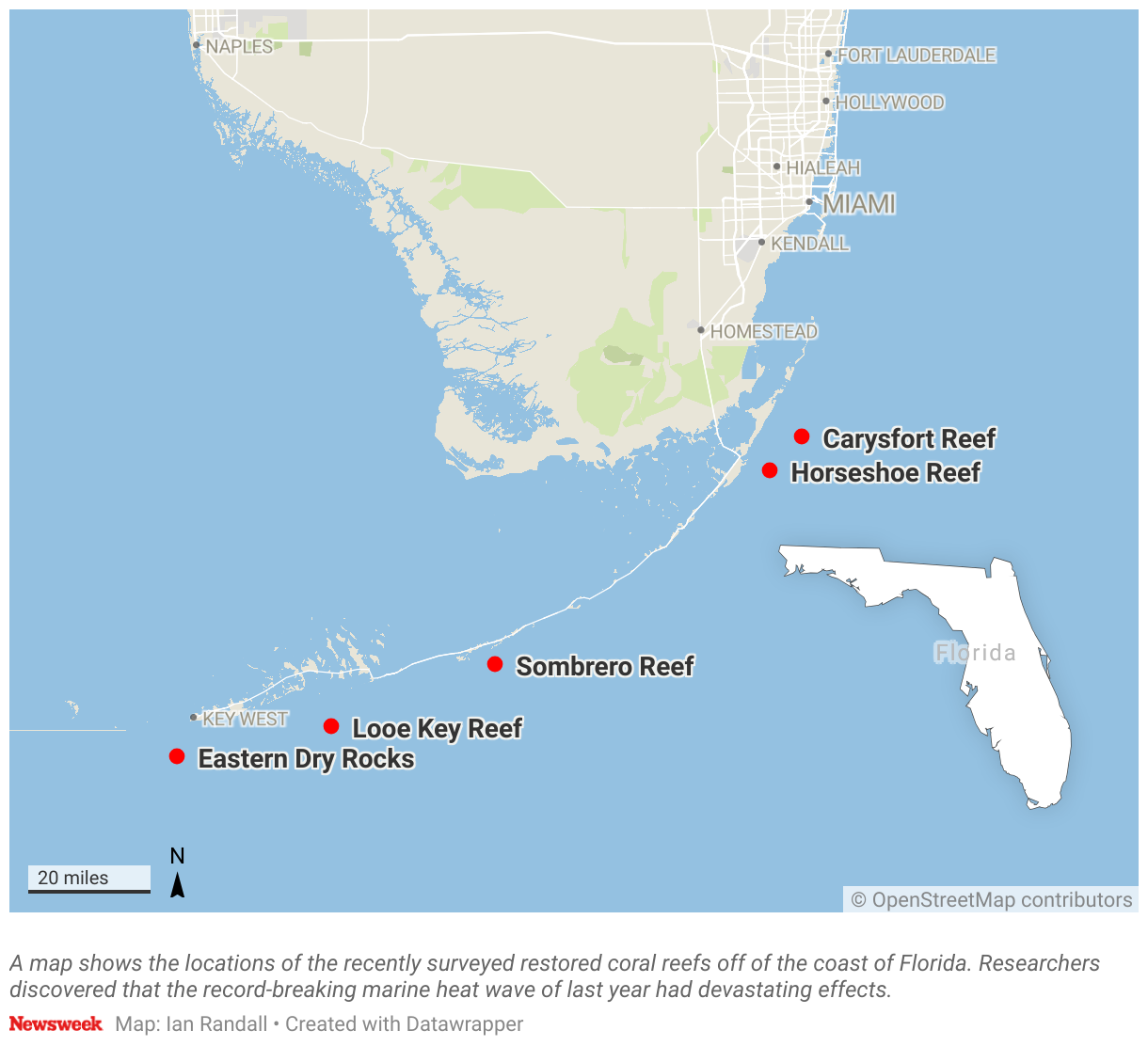
After surveying 64 locations at several reef sites in the state, they found that less than 22 percent of 1,500 staghorn corals were still alive, according to a release from NOAA. In fact, only two reef sites—Carysfort Reef and Horseshoe Reef—had any staghorn coral alive.
Elkhorn coral was still alive at just three sites: Carysfort Reef, Sombrero Reef and Eastern Dry Rocks off Key West.
These findings, however, are still preliminary, and assessments of the data are ongoing.
"The findings from this assessment are critical to understanding the impacts to corals throughout the Florida Keys following the unprecedented marine heat wave," Sarah Fangman, the Florida Keys National Marine Sanctuary superintendent said in a statement.
"They also offer a glimpse into coral's future in a warming world. When the ecosystem experiences significant stress in this way, it underscores the urgency for implementing updates to our regulations, like the Restoration Blueprint, which addresses multiple threats that will give nature a chance to hold on."
Florida's coral reefs have been declining since the 1970s due to issues like extreme weather, bleaching due to high temperatures, and human-caused disruption.
"We are fortunate to have the unwavering dedication and expertise of multiple partners collaborating with NOAA to restore this critical ecosystem," Jennifer Moore, co-lead of Mission: Iconic Reefs and Endangered Species Act coral recovery coordinator for NOAA Fisheries, said in a statement.
"The assessment results, complementary research efforts from partners and lessons from emergency activities over the summer will inform effective and innovative restoration strategies to support the health of Florida's coral reefs."
There is evidence to suggest that marine heatwaves are becoming more common as climate change worsens. For this reason, scientists are keeping a close eye on corals to make sure they maintain good health.
Do you have a tip on a science story that Newsweek should be covering? Do you have a question about Florida's corals? Let us know via science@newsweek.com.
View 0 Comments
Submit Correction
View Editorial & AI Guidelines