...

By Anna Skinner
Associate News Editor
0
Share
Newsweek is a Trust Project member
See more of our trusted coverage when you search.Prefer Newsweek on Googleto see more of our trusted coverage when you search.
Parts of Florida are facing the most severe drought in nearly a quarter-century, with virtually the entire state under dry conditions ranging from abnormally dry to extreme drought.
The latest assessments from the U.S. Drought Monitor come as meteorologist Matt Devitt posted on X, formerly Twitter, on May 8 that this is the "WORST DROUGHT IN 24 YEARS across Southwest Florida."
Why It Matters
Nearly the entirety of Florida's landmass is now affected by abnormally dry conditions or worse. In addition to persistent heat and a scarcity of rain, the drought has triggered other impacts, from deteriorating air quality to heightened wildfire risk.
Read More on U.S.
What to Know
The parched conditions have exacerbated respiratory problems, strained local water resources, and pushed much of Central and Southwest Florida into the "extreme drought" category, the second worst on the drought severity scale.
As of early May, more than 84 percent of the state was affected by some form of drought. The U.S. Drought Monitor assessment is published every Thursday, with the most recent data showing a 9 percent uptick in extreme drought over the last week. Now, more than a quarter of the state is battling extreme conditions.
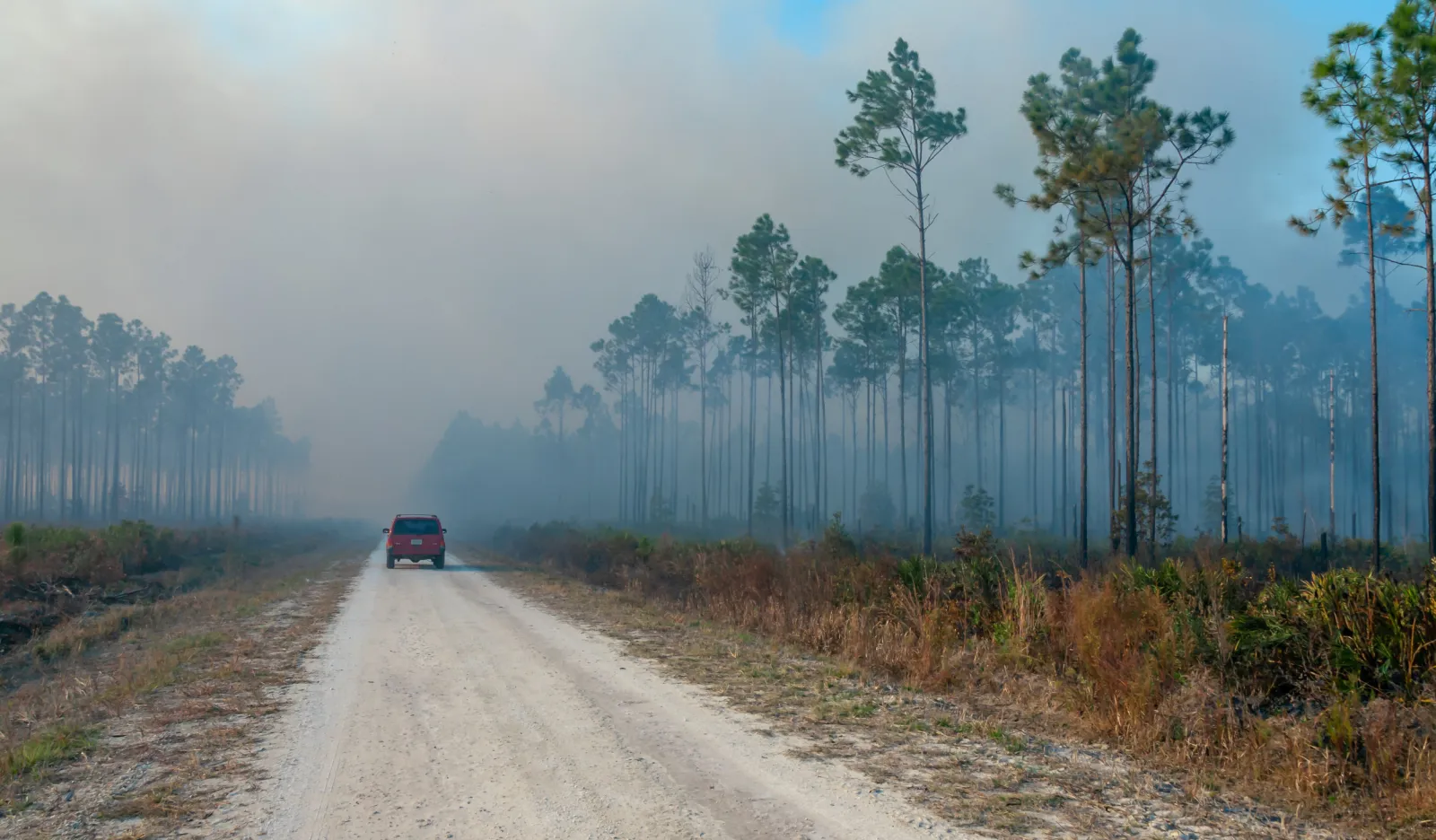
In tandem with the dry weather, more than 1,600 wildfires have burned nearly 75,000 acres of land since the start of the year, according to Florida Forest Service wildfire data.
...
Health officials are also flagging increased respiratory concerns.
"When you have drought, it's dry outside ... there's more propensity for dust events or poor outdoor air quality, and this can impact someone who has cardiovascular illnesses," Karen Coker, a University of Florida public health expert, told WUSF.
Particulate matter—tiny airborne particles from dust, pollen and pollutants that can become more present during drought—can worsen asthma, respiratory illness and mental health by causing stress and anxiety, Coker said.
What People Are Saying
A spokesperson from the U.S. Drought Monitor told Newsweek: "Spring is typically a drier time of year, especially for the Florida Peninsula. But the past two months have been much drier-than-normal with many areas across central and south Florida receiving less than 50 percent of the normal precipitation."
Devitt, chief meteorologist at WINK News, on X: "WORST DROUGHT IN 24 YEARS across Southwest Florida according to a new update this morning. Last time it was this dry was March of 2001. The Extreme Drought (Level 4 - Red Color) now covers almost all of Southwest Florida. Even compared to a typical dry season, we are 6 - 10" drier than average since Mid-October. Thankfully better rain chances are on the way for the weekend and early next week. It'll be helpful, but not expected to eliminate the drought."
An NWS forecast for Central Florida: "A Marginal Risk (1/5) for a severe storm or two possible this afternoon into the evening. Primary severe threat will be large hail and localized damaging wind gusts. The Marginal Risk threat will exist mainly northern Nature Coast southeast into East Central Florida."
What Happens Next
Weekend rain may provide short-term relief. However, meteorologists caution that it won't be enough to alleviate long-term drought conditions.
The NWS Climate Prediction Center projects above-normal rainfall in its six- to 10-day precipitation outlook, with a return to below-average rainfall in the eight- to 14-day outlooks.
Update 5/8/25, 4:15 p.m. ET: This article was updated with comment from the U.S. Drought Monitor.
View 0 Comments
Submit Correction
View Editorial & AI Guidelines