10
Loading video...

By Giulia Carbonaro
Senior Reporter
0
Share
Newsweek is a Trust Project member
See more of our trusted coverage when you search.Prefer Newsweek on Googleto see more of our trusted coverage when you search.
Hurricane Isaias, which killed four people and left hundreds of thousands without power across the Southeast over the weekend, is the first real test of Florida’s troubled home insurance market since Hurricane Milton struck in October 2024.
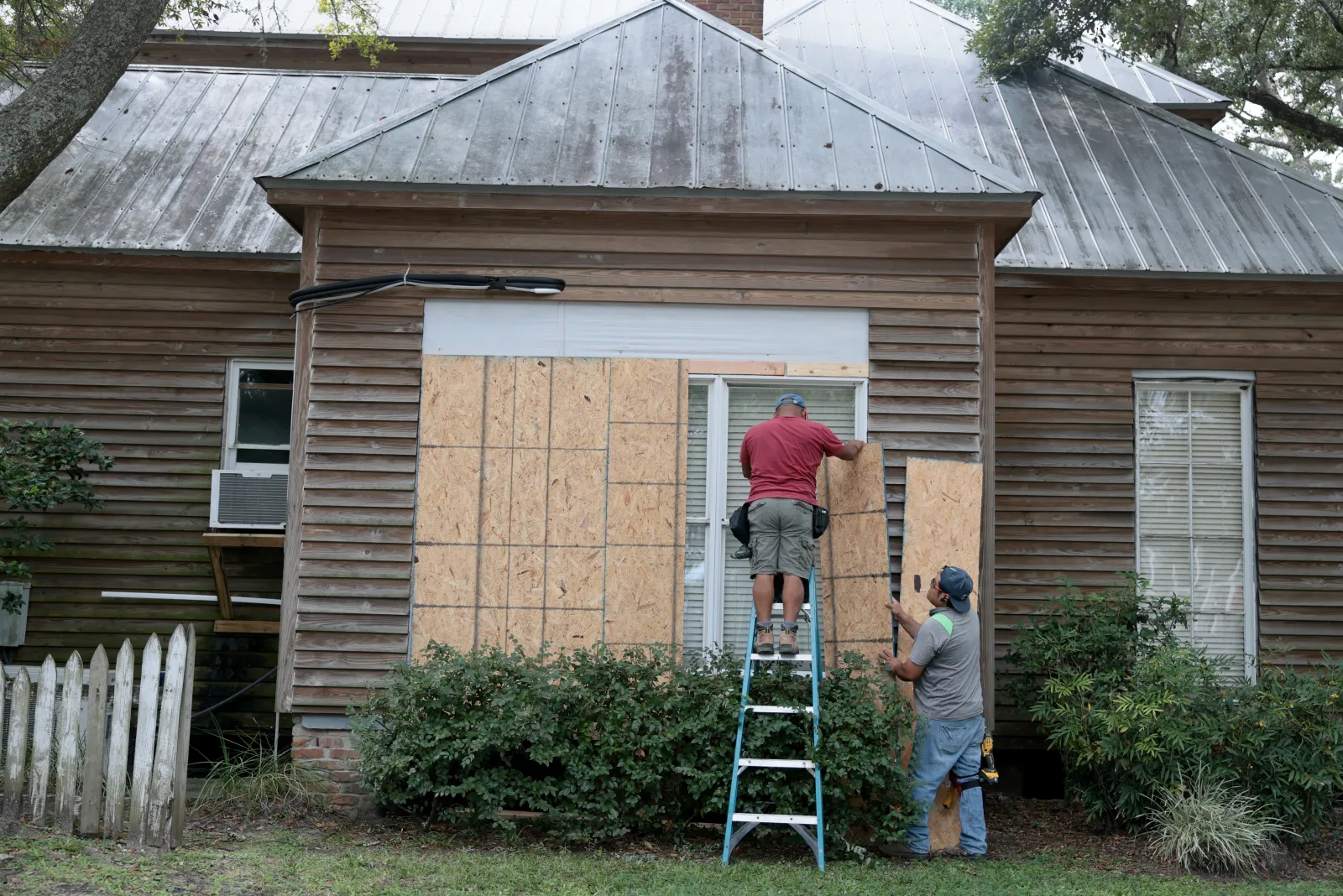
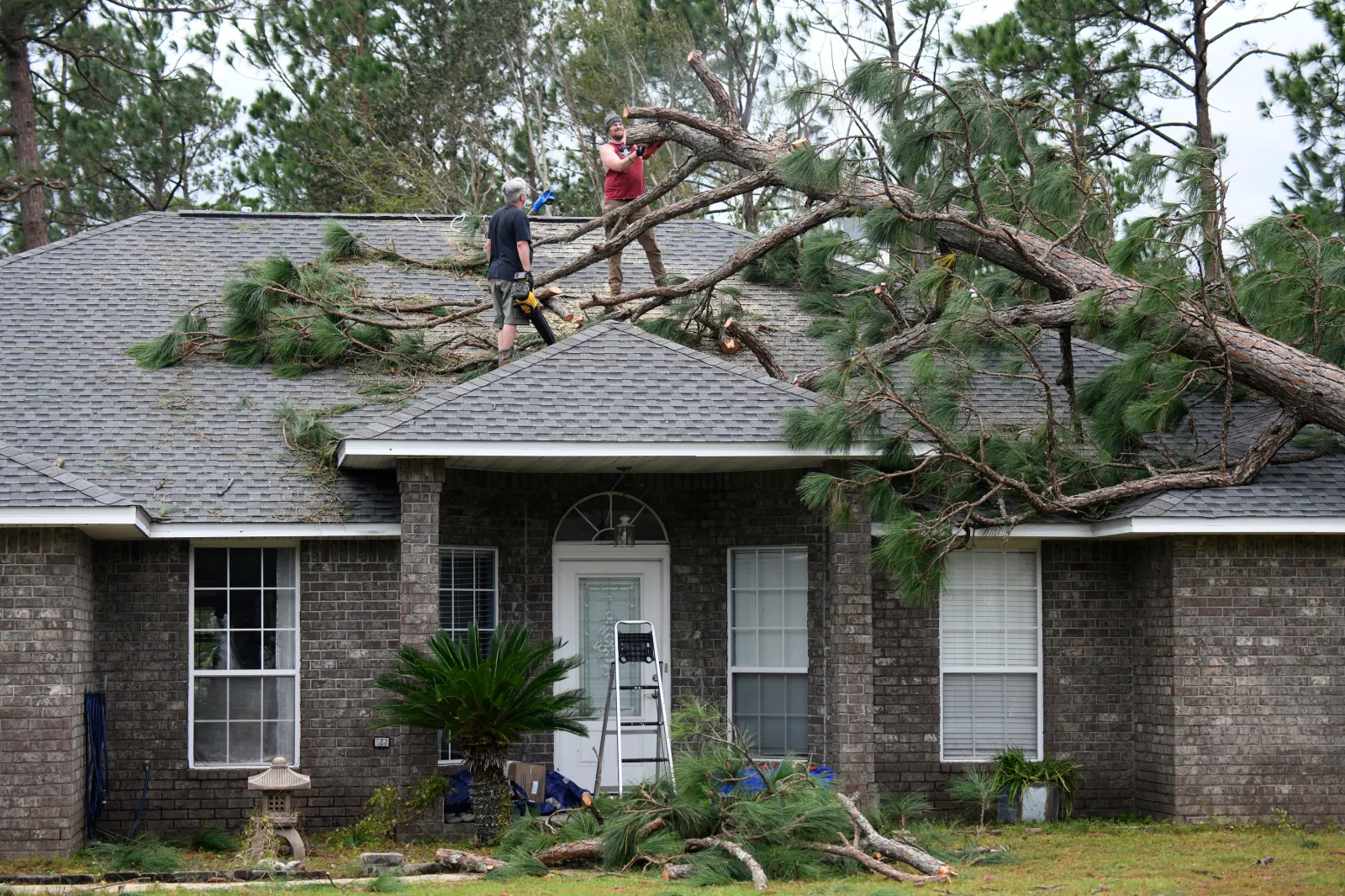
After briefly reaching Category 3 strength on Friday, Isaias made landfall near Destin, Florida, as a Category 2 hurricane that night, bringing heavy rain and powerful winds to the Panhandle before moving north. The storm downed trees and power lines and killed four people, two in Escambia County, Florida, and two in Alabama.
It was the first Atlantic hurricane of the season and the first to strike the continental U.S. since Milton battered Florida in 2024. That storm, which made landfall as a Category 3 hurricane, caused an estimated $34.3 billion in damage in the U.S. This was "almost exclusively in Florida," according to NOAA’s National Centers for Environmental Information.
Read More on News
...
Since then, Florida’s home insurance sector, which endured an exodus of private carriers and years of steep premium increases, has been gradually stabilizing, according to experts and officials.
But Isaias, and any further storms that strike before the Atlantic hurricane season ends, could now test that recovery.
"Isaias is the first hurricane to make landfall in Florida in two years, and that time has given the insurance companies some breathing room, but this is definitely a test for the market," insurance expert Leslie Kasperowicz of Insurance.com told Newsweek.
"We're coming to the end of hurricane season, but the risk of another damaging storm hasn't passed. A second storm would put real pressure on insurers, particularly the newer, smaller carriers that have begun operations in the area in recent years," she said. "Citizens, the state's insurer of last resort, has greatly reduced its policy count in the past couple of years. A reversal in that trend would indicate increasing pressure on the private market."
How Isaias Compares to Milton
Milton, one of the strongest Atlantic hurricanes on record, slammed into Florida’s western coast near Sarasota in the fall of 2024, just two weeks after Hurricane Helene wreaked havoc in the state.
In the immediate aftermath, real estate analytics firm CoreLogic, now known as Cotality, estimated that Milton caused between $21 billion and $34 billion in total wind and flood damage, including losses to uninsured properties. But it estimated insured losses at a lower $17 billion to $28 billion. On Monday, Cotality experts told Newsweek that, by their estimates, insured losses from Isaias are $500 million to $1 billion, mostly in the Florida Panhandle and southern Alabama.
That meant many Florida homeowners had to cover the cost of rebuilding their properties on their own.
As of December 2025, the Florida Office of Insurance Regulation (FLOIR) reported $5.6 billion in estimated insured losses linked to Milton. Of the more than 300,000 claims filed since then, more than 114,000 were closed without payment, and more than 8,000 remain open without payment. Many of these were not paid because the homeowners’ policies did not cover flood damage.
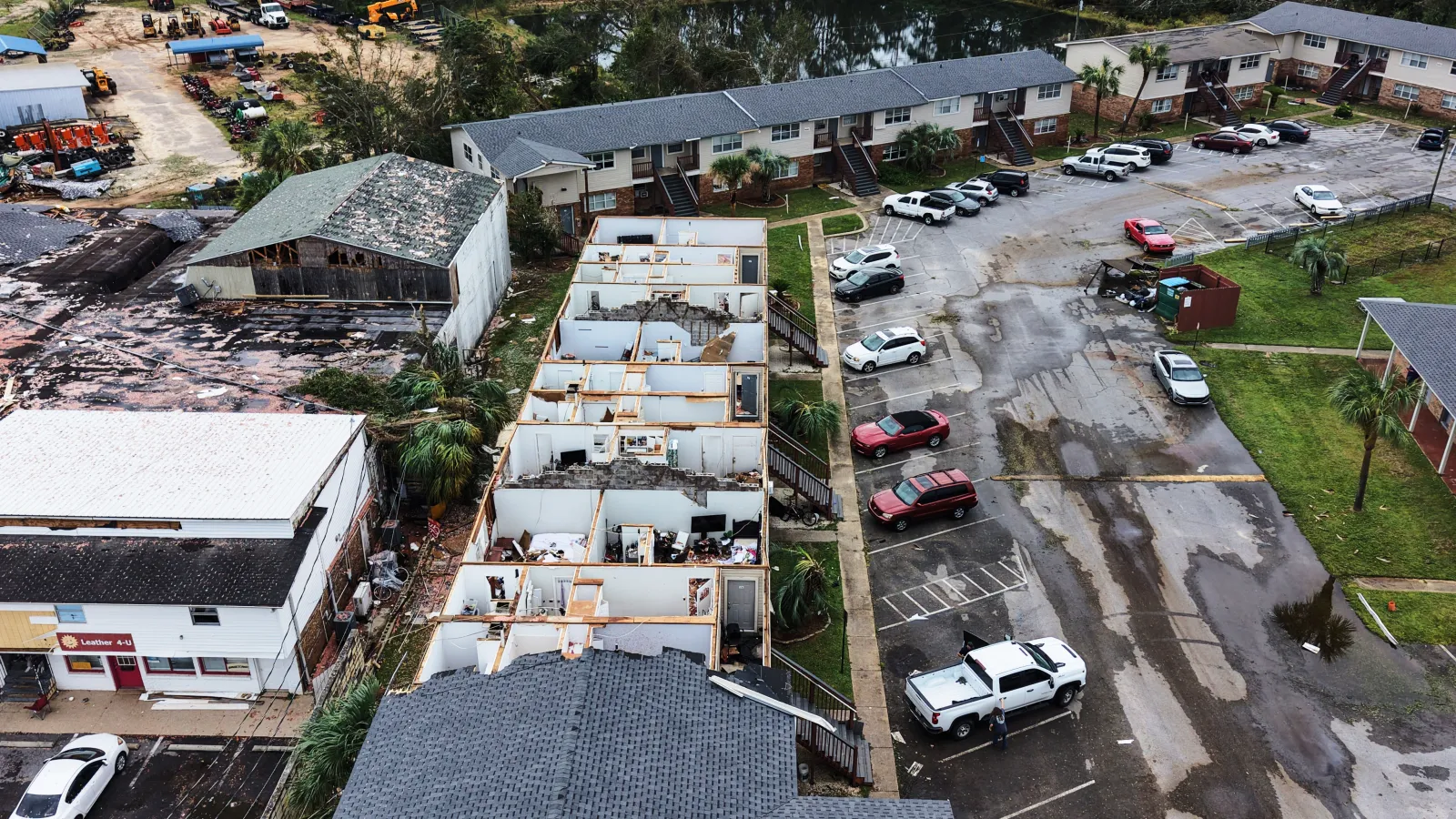
The damage caused by Isaias in Florida’s Panhandle over the weekend has yet to be fully assessed. A Cotality assessment found that about 353,000 homes in Escambia, Santa Rosa, Okaloosa and Walton counties were at moderate or greater risk of wind damage, representing about $115.8 billion in reconstruction cost value.
...
On Friday, researchers estimated that 46,000 homes in Destin only were at moderate or greater risk of storm surge damage, representing about $15.4 billion in reconstruction cost value. About 153,000 homes in the same metro faced moderate or greater hurricane wind risk, with about $49.7 billion in reconstruction cost value.
FLOIR told Newsweek on Monday that it has "only just begun collecting data on policyholders impacted by Hurricane Isaias, and the full scope and scale of damages will become clearer in the coming weeks."
Overall, Isaias seems unlikely to rival Milton financially, with pre-landfall estimates putting insured losses in the mid-single-digit billions.
What Has Changed Since Milton
Between 2019 and 2022, a home insurance crisis swept Florida as premiums soared and insurers struggled with hurricane risk, rising reinsurance costs, litigation and fraud.
By 2022, insurers were failing, premiums were soaring, and homeowners found it increasingly difficult to secure coverage or afford what was available. Six Florida insurers became insolvent that year alone, while others stopped writing or renewing policies.
State lawmakers intervened with sweeping tort reform that experts and officials say has since helped stabilize the market, attract new carriers and slow premium growth.
"Florida’s insurance market has shown vast improvement since legislative reform addressed the factors causing the state’s man-made risk crisis: legal system abuse and assignment of benefits claim fraud," Mark Friedlander of the Insurance Information Institute (Triple-I) told Newsweek.
"New lawsuit filings have declined 50 percent since 2020, reducing legal defense expenses for insurers. This has led to statewide rate reductions. During the first half of 2026, average home insurance premiums decreased in 51 of 67 Florida counties."
...
Additionally, the state’s insurer of last resort, Citizens Property Insurance Corp., which ballooned beyond sustainable levels during the pandemic years, "has reduced its risk exposure by more than 1 million customers via depopulation as a stabilized private market has taken on this risk," Friedlander said.
"Citizens has reached a historic low of less than 300,000 active policies, with market share declining from 15 percent to 2 percent. More than 20 new insurers have entered Florida, and existing national and regional insurers are growing their market share across the state," he added.
But premiums have continued to rise in the state, albeit at a slower pace than before, and Florida homeowners still pay the highest price for coverage in the nation. Between 2021 and 2025, Florida homeowners’ insurance premiums rose 75 percent, nearly double the national average. This is according to a report from national nonprofit group the Coalition for an Insurable Future.
The average home insurance premium in the Sunshine State is currently $8,471 per year for a policy with $300,000 in dwelling coverage, $300,000 in liability, a $1,000 deductible and a 2 percent hurricane deductible, Insurance.com reported.
Insurify predicts a 2 percent increase from 2025 by the end of 2026.
Is Isaias Finding Florida Better Prepared?
FLOIR told Newsweek that the Florida insurance market is "currently the strongest it has been in more than a decade thanks to comprehensive legislative reforms" and should withstand the impact of Isaias.
"Following an active 2024 hurricane season that saw back-to-back storms hit the Tampa Bay area with no significant disruption to the market, followed by nearly two seasons of quiet and an increased level of capital within the state's market, the OIR is confident that insurers have all necessary supports in place to ensure continued backing for policyholders," regulators said.
"At the same time, state leaders, private carriers, and federal partners continue working together to emphasize and support comprehensive flood coverage options—both through private insurers and the National Flood Insurance Program—helping property owners protect against storm surge and ground-level water damage."
This strength should shield homeowners in the state from significant premium hikes.
"Due to favorable market conditions, we anticipate no changes in the downward trend in premiums due to this single event. Demonstrating this positive momentum, as of October 6, 2026, the OIR has received 136 filings from 48 companies for rate decreases and 126 filings from 53 companies for 0 percent rate increases, reflecting a stabilized market well-positioned to absorb storm losses while continuing to protect Florida consumers," OIR said.
But billions in losses could at least reverse the softening premium growth the state has enjoyed over the past couple of years, John Sence told Insurance Business. He is chief sales officer at SageSure, a Managing General Underwriter (MGU) and third-party administrator specializing in catastrophe-exposed, high-risk property insurance markets.
"It could, particularly if losses are severe and concentrated in a region," Sence said. "The impact depends on the size of the losses, who absorbs them, and how capital providers respond afterward."
Newsweek reached out to Sence via email for comment.
"It certainly has the potential to increase premiums," Kasperowicz said. "Insurance companies in Florida price in hurricane risk and anticipate some losses. A single storm will test their ability to withstand the losses without increasing premiums, but it isn't a guarantee of a rate increase."
But Isaias will be key to showing how much progress Florida has made in closing its flood insurance gap over the past two years.
Related Story

Homeowners Get Flood Insurance Reprieve Ahead of Severe El Niño
Despite signs of improvement, the state’s home insurance sector remains severely strained and expensive—so much so that many cannot afford flood coverage, which isn't included in standard policies, or choose to do without it. Many mistakenly believe their standard policy covers flooding.
"Although flood insurance coverage has increased slightly in Florida since Milton, most people still choose not to purchase coverage," Kasperowicz said.
"The law that requires flood insurance for Citizens Property Insurance policyholders has been rolling out since 2024, but in that time, Citizens has shed thousands of policies. Unless they're required to buy, most homeowners choose not to carry flood insurance," she said.
"There's still a lot of misinformation regarding how homeowners insurance covers hurricane damage. Too many people still aren't aware that it doesn't cover storm surge damage. The rising cost of home insurance in Florida has really made flood insurance a budget decision, unfortunately. If your mortgage requires homeowners insurance but not flood insurance, and you're straining your budget to afford that premium, adding another $1,000-plus per year—the average cost of an NFIP policy in Florida is $1,421 per year—is just too much."
The flood insurance gap is a nationwide problem, not just a Florida one. A recent report on flood risk by the U.S. Government Accountability Office found that 86 percent of high-risk properties don’t have flood insurance.
But for a state as vulnerable to flooding as Florida, this gap could become increasingly hard to ignore. Experts warn this year’s El Niño could become "very strong," increasing flood risk from the Southwest to the Gulf Coast and Florida.
"The bigger test would be a major hurricane hitting a densely populated part of the peninsula, so I’d say Hurricane Isaias was a moderate test," Cotality chief scientist Dr. Howard Botts told Newsweek.
"Isaias made landfall as a Category 2 hurricane on the Panhandle, missing the denser Tampa Bay or South Florida markets. The market it hit is in much better shape than in 2022," Botts said. "Citizens has shrunk from about 1.4 million policies in late 2023 to roughly 255,000 this fall, and about 20 new insurers have entered the state since the reforms. The next part of this test is the claims process. How quickly are claims paid? How many are closed without payment? The market will be watching to see whether any carriers with heavy exposure to the Panhandle come under strain."
Has your home been affected by Hurricane Isaias? You can share your story with Newsweek by emailing g.carbonaro@newsweek.com.
Newsweek’s reporters and editors used Martyn, our AI assistant, to produce this story. Learn more about Martyn here.
Contact Newsweek editors on this story: Ben Kelly, James Debens, Sam Wilson.
View 0 Comments
Submit Correction
View Editorial & AI Guidelines