...

By Hugh Cameron
Reporter
0
Share
Newsweek is a Trust Project member
See more of our trusted coverage when you search.Prefer Newsweek on Googleto see more of our trusted coverage when you search.
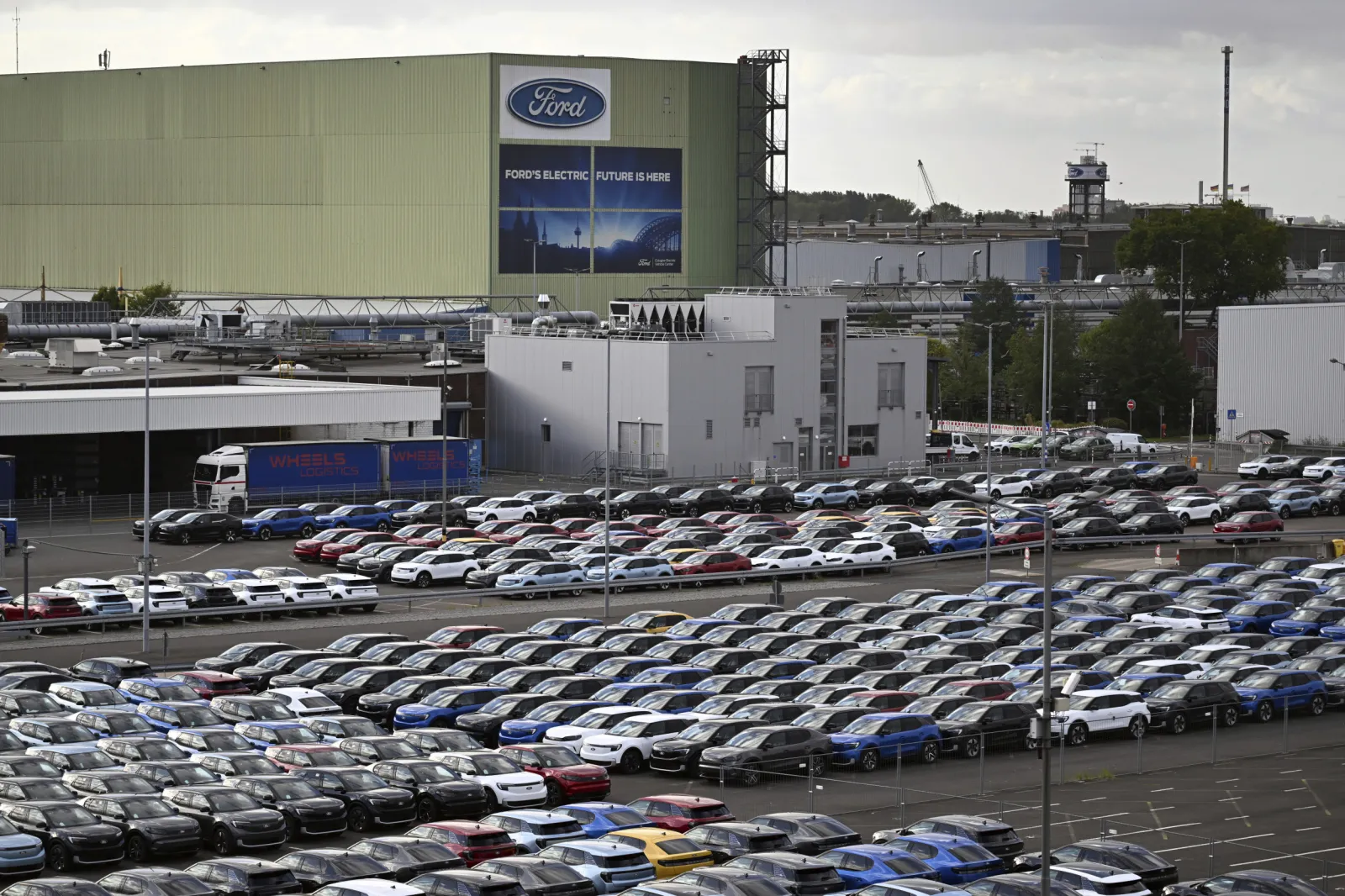
Ford is planning on cutting up to 1,000 roles in electric-vehicle production in Germany.
In a statement released Tuesday, the Michigan-headquartered automobile company said demand for electric cars in Europe "remains well below industry forecasts."
The job losses will occur at its Cologne plant as it switches production to "single-shift operation from January 2026," the statement added.
Read More on News
Why It Matters
Despite recent workforce reductions, Ford remains one Europe's most significant automotive employers. The latest announcement underscores how consumer adoption of electric vehicles is weighing on companies' operations as governments worldwide push for a faster transition away from internal combustion engines.
What To Know
Ford had already been pursuing aggressive restructuring plans in Germany, including at its complex in the western German city.
In November, the company announced that "unprecedented competitive, regulatory, and economic headwinds" had forced it to trim its European workforce by 4,000 positions by the end of 2027, primarily in Germany and the United Kingdom. In addition, the company implemented shorter-time working arrangements at its Cologne plants earlier this year, which it similarly attributed to "lower-than-expected demand for electric cars."
Ford is also set to shut down production at its plant in Saarlouis, Germany later this year, according to a report from Swedish outlet Dagens.
...
On Tuesday, Ford told Newsweek that sales of electric vehicles "are still lagging behind industry forecasts, and that this was behind the job cut decision.
"In 2023, when Ford opened the Electric Vehicle Centre in Cologne, industry expectations for new electric vehicle registrations in Europe were at 35 percent," it said. "Today, we are still well below this level—only 20 percent of new vehicle registrations in Europe are expected to be EVs by the end of 2025."
"Consumers remain hesitant—not least because CO₂ regulations in Europe continue to evolve, and promised investments in charging infrastructure and purchase incentives have not been delivered," Ford added.
According to the latest report from the European Automobile Manufacturers' Association (ACEA), new car registrations in the European Union (EU) fell by 0.7 percent in July compared to the same month last year. The trade association noted that battery-electric vehicles accounted for 15.6 percent of the EU market share. While up from 12.5 percent in July 2024, it said this remained "far from where it needs to be at this point in the transition."
This is despite the bloc's attempts to accelerate the shift away from fossil fuels and roll out more stringent emissions standards for new vehicles. In 2023, EU member states approved regulations requiring a 55 percent reduction in CO₂ emissions for new cars and 50 percent for new vans for the 2030-2034 period compared with 2021 levels, with a view to phasing out internal combustion engine vehicles entirely from 2035.
What People Are Saying
Ford told Newsweek: "Ford is continuously evaluating its production volumes and making adjustments to its manufacturing schedule based on market demand. In Europe, demand for electric passenger vehicles continues to be significantly below industry projections. As a result, Ford will adjust production at the Cologne plant to a single shift operation beginning in January 2026."
"We understand the impact this has on our employees, and we are committed to supporting those impacted," it added.
What Happens Next?
Ford said that those affected by the latest decision will be offered voluntary redundancy packages, but did not provide a timeline for when the job reductions would be completed.
View 0 Comments
Submit Correction
View Editorial & AI Guidelines