...

By Dana L. Stroul
Director of Research at The Washington Institute for Near East Policy
0
Share
Newsweek is a Trust Project member
See more of our trusted coverage when you search.Prefer Newsweek on Googleto see more of our trusted coverage when you search.
The U.S. should “sanction the hell out of Saudi Arabia,” Senator Lindsey Graham said in 2018. He vowed that he would never visit Saudi Arabia so long as its “wrecking ball” of a leader, Crown Prince Mohammed bin Salman (MBS), remained in charge. Since then, Graham has visited Saudi Arabia and met with MBS at least five times.
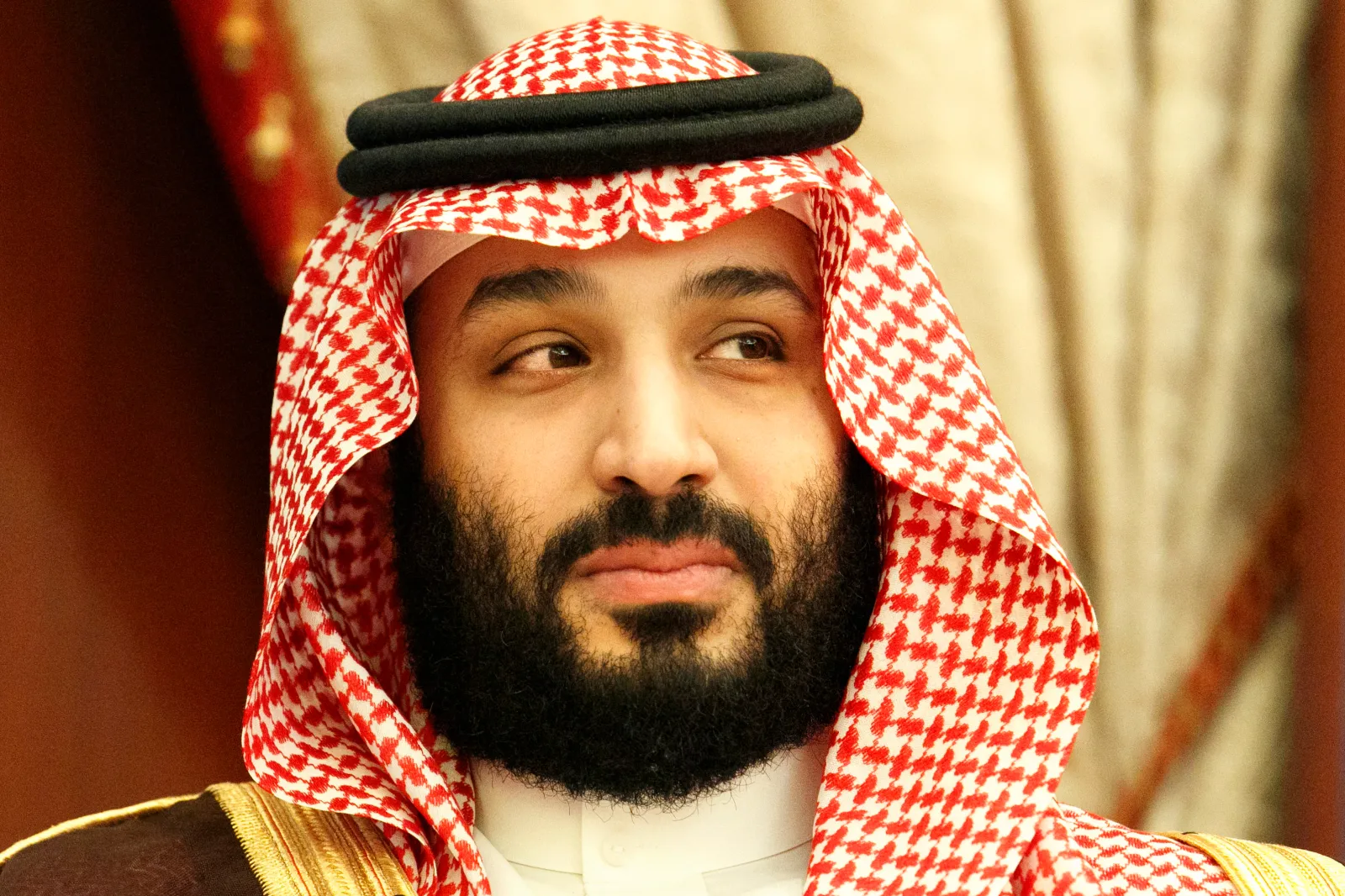
Graham’s about-face mirrors a wider U.S. shift on Saudi Arabia—one worth bearing in mind as MBS comes to Washington. During President Donald Trump’s first term, Congress passed three separate, bipartisan bills blocking U.S. arms sales to the kingdom, forcing Trump to veto the bills to keep U.S. weaponry flowing. Republicans and Democrats alike blasted Saudi Arabia’s military campaign in Yemen, arguing that Riyadh failed to protect civilians and stoked a humanitarian crisis. Bipartisan critics also blasted Saudi Arabia for the 2018 assassination of The Washington Post columnist Jamal Khashoggi, and tied that heinous event directly to MBS.
...
Read More on Opinion
In a 2019 Democratic presidential debate, then-candidate Joe Biden promised to make Saudi Arabia a “pariah” over Khashoggi’s murder. Immediately on taking office, Biden froze some arms sales to the country in 2021, and announced an end to U.S. offensive military support for the Saudi campaign in Yemen.
Despite all this, it was only 18 months later that President Biden fist-bumped the crown prince on a visit to Saudi Arabia, one of the most remarkable U-turns in diplomatic history. Biden went on to announce the 2022 Jeddah Communique, an expansive shared vision for the U.S.-Saudi partnership that stretched beyond the conventional focus on oil and security to include technology, infrastructure, space and coordination on a range of Middle East crisis areas.
Adding to his administration’s volte-face, Biden was on the verge of a big bang in the U.S.-Saudi relationship when Hamas derailed the effort with its October 7, 2023, attack on Israel. This would have included a full-blown mutual defense treaty with a country which only a few years earlier had been accused of stoking a humanitarian nightmare in Yemen. Biden was also prepared to conclude a nuclear energy agreement with Saudi Arabia, despite MBS’ 2018 affirmation that his country would acquire a nuclear weapon if Iran did. And Biden was working to normalize ties between Saudi Arabia and Israel. Taken together, these agreements would have launched a new era in U.S.-Saudi relations and built a new D.C.-Jerusalem-Riyadh foundation for expanding regional peace.
The Gaza war may have cooled Riyadh on the urgency of a normalization deal with Israel, but it did not stop the warming of bilateral U.S.-Saudi ties. Consider the stream of American executives attending MBS’ investment conference (known as “Davos in the desert”), the Saudis’ purchase of Boeing aircraft for their new luxury airline, billions in commitments by American tech companies and Saudi investments in the American entertainment and gaming industries. Over the past two years, many Republican senators visited the kingdom at least once.
Now, the Trump administration is poised to cap a bipartisan process started by Biden’s fist-bump to take the U.S.-Saudi to a new level of partnership. In today’s competitive global ecosystem, winning means supply-chain security, cutting-edge technological innovation, industrial capacity and agile economies. For the U.S. and Saudi Arabia to both win in the global arena, they need each other.
Soon, a reelected President Trump will host MBS for a White House “working visit.” In May, Trump pointedly made Saudi Arabia the first stop of the first major foreign trip of his second term. During that visit, dozens of CEOs joined the president to hammer home the message that security is not just a matter of defense and military ties but also economic ones.
During MBS’ visit to Washington, each side will make huge commitments to the other—promises of massive Saudi investments in the U.S. will be met with promises to sell Riyadh the most sophisticated warplanes in the U.S.’ arsenal, F-35 fighters. After Israel showed how effective the F-35 could be in establishing air superiority over Iran during June’s 12-day war, it is no wonder that Saudi Arabia wants their own.
Trump is also preparing to shower MBS with benefits that Biden was linking to a normalization deal with Israel, such as a civilian nuclear accord. And while Saudi Arabia will not get its coveted defense treaty, it will get the most that Trump could deliver without congressional approval—an enhanced pledge that, for the first time, would specifically commit the United States to defend Saudi Arabia against attack.
When MBS visits the Oval Office, it will mark a remarkable change for the future monarch, just 40 years old. With the dizzying speed of a Nvidia chip, soon to power AI data centers around Saudi Arabia, the kingdom he leads has gone from pariah to partner.
Dana L. Stroul is the director of research at The Washington Institute for Near East Policy. She previously served as the deputy assistant secretary of defense for the Middle East, and as the senior professional staff member for the Middle East on the Senate Foreign Relations Committee.
The views expressed in this article are the writer's own.
View 0 Comments
Submit Correction
View Editorial & AI Guidelines