
Getty Images. Newsweek/Illustration

Brendan Cole
Senior Reporter
0
Share
Newsweek is a Trust Project member
See more of our trusted coverage when you search.Prefer Newsweek on Googleto see more of our trusted coverage when you search.
The U.S. midterms in November 2026 will serve as a litmus test for Donald Trump’s second presidential term, as Democrats hope to build on momentum from their gains in ballots such as the Miami mayor's race and winning a traditionally GOP district in Georgia.
But Trump’s foreign policy and pivot towards the Western Hemisphere, could be shaped by ballots in Brazil and Colombia earlier in the year.
Further afield, voters in Hungary could oust the pro-Trump leader, Israel’s prime minister Benjamin Netanyahu, who had Trump’s backing in the war in Gaza faces his electorate, while Bangladesh goes to the polls after a Generation Z-inspired revolution.
Read More on News
Newsweek takes a look at some of the key races that will shape the world.
...
U.S. Midterms
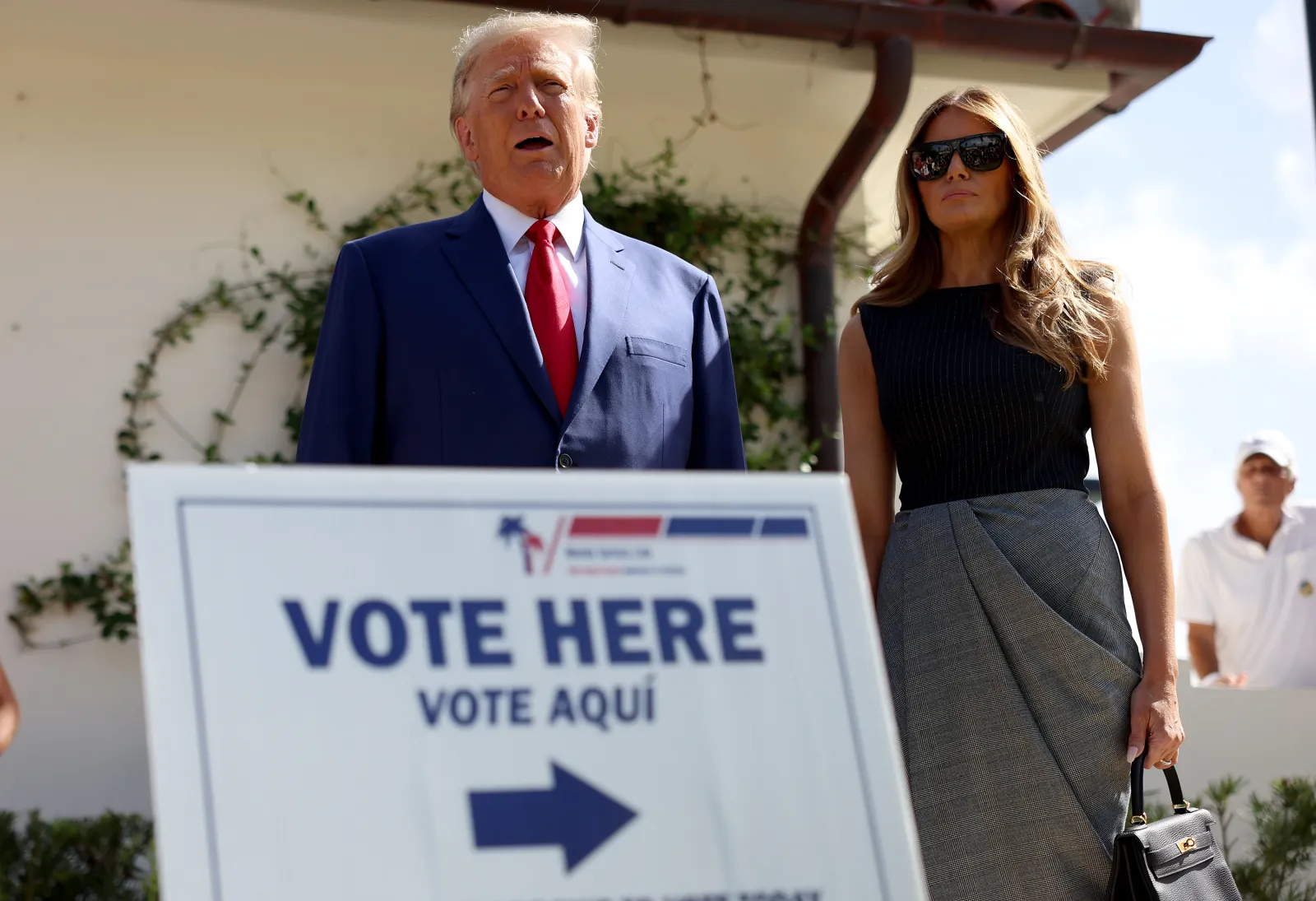
The midterm elections will be held on Tuesday, November 3, in which up for grabs will be all 435 seats in the House of Representatives and 35 seats in the Senate.
Recent GOP losses will add to pressure on Trump as he seeks to maintain the Republican majorities in the House and Senate. He said on December 12, “people want us to win the midterms, and I think we have great spirit,” but polling has shown he is losing ground on the issues that helped him return to power.
In mid-December, less than a third (31 percent) approved of how he is handling the economy, down from 40 percent in March, The Associated Press reported, while support for his handling of crime has slipped to 43 percent from 53 percent a few months ago.
“2026 will be the year that defines Trump's legacy. While his name won't be on the ballot in the Midterms, his actions will set the tone for campaigns across the country at state, and most notably, congressional level,” Mark Shanahan, a U.S. political expert from the University of Surrey, in England, told Newsweek.
“Much will come down to U.S. economic performance over the next nine months, but Trump's actions towards Venezuela, towards traditional allies and foes around the world and most of all to US citizens at home will define how future generations view him,” said Shanahan.
“But if the Republicans can hold both the Senate and the House, the president has the chance to fully embed Trumpism as the ever-more autocratic way the U.S. is governed,” he added.
...
Hungary
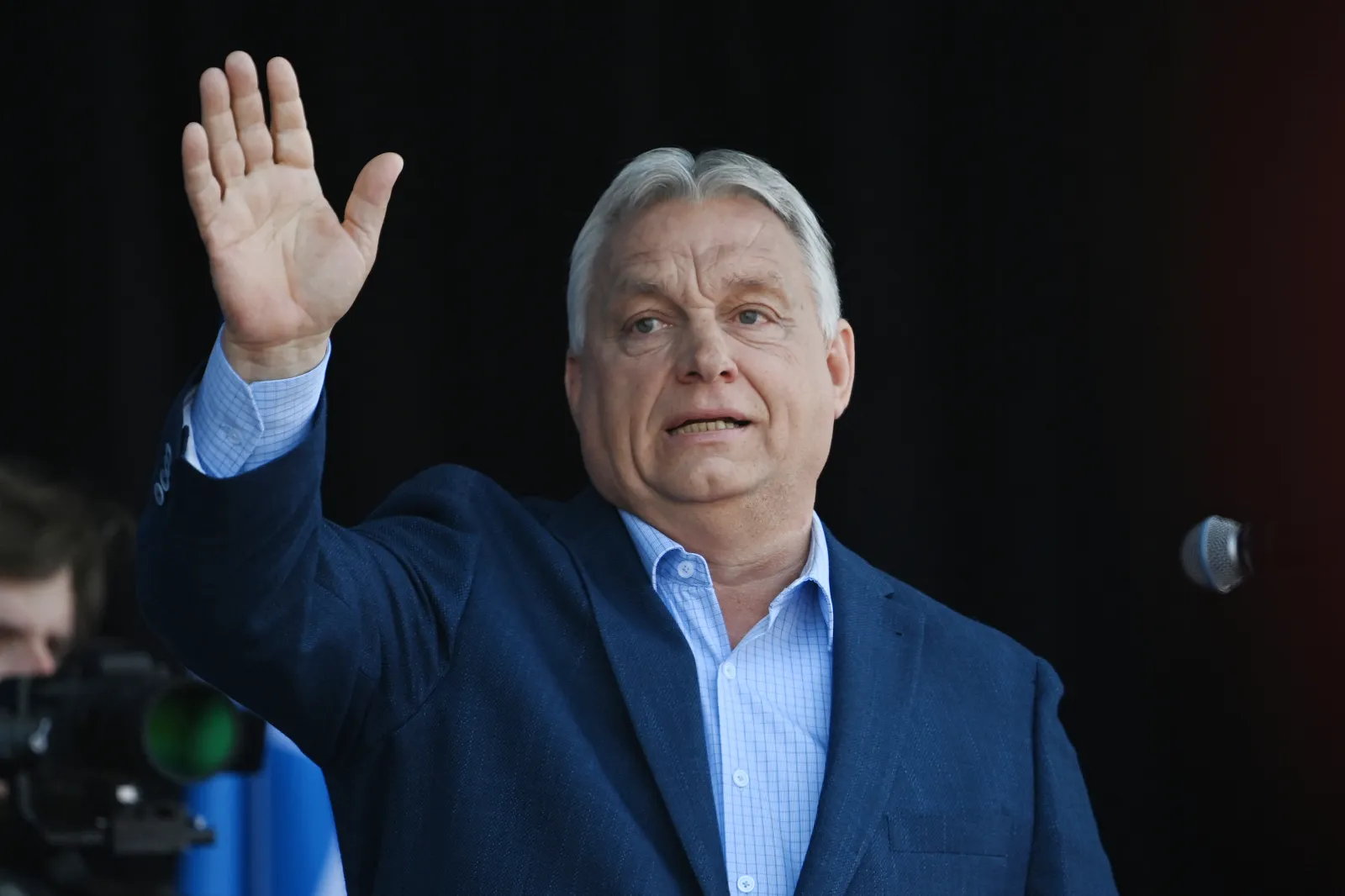
April could see the end of an era for a Trump ally, Viktor Orbán in Hungary’s April 12 parliamentary elections, if the latest polling is reflected at the ballot box.
After a decade and a half in power during which he has been bemoaned by critics for cracking down on judicial, academic and media freedom, Orbán trails in the polls to Péter Magyar, president of Respect and Freedom (Tisza) Party who surprised the political establishment by winning nearly 30 percent of the vote in a European Parliament election in 2024.
“The one reason why it is now such a different election than the last four is that Orbán has been in power for 15 years and there is a general fatigue of this government,” said Zsuzsanna Szelényi, director of the Democracy Institute Leadership Academy (DILA) at Central European University.
She said that key issues for voters included a significant economic decline in Hungary, which became tangible in 2022 and 2023, when Hungary faced much higher inflation than the rest of Europe. Magyar’s success was also a result of the failure of the fragmented opposition scene in the last 15 years when a number of smaller parties were never able to create a united front.
“The political atmosphere in Hungary for 15 years is always tense and always nasty. It's always unfriendly,” she told Newsweek, “There is a whole generation who is really fed up with this.”
Portugal
Portugal’s presidential election takes place on January 18 and polling at the end of November by the paper Expresso put far-right leader André Ventura ahead of former navy officer and political newcomer Henrique Gouveia e Melo.
While Portugal’s presidency is largely ceremonial, Ventura, head of the Chega Party said he wanted to be a hands-on head of state and the post does give its holder the ability to dissolve parliament and call early elections.
Tiago Antunes, associate senior fellow at the European Council on Foreign Relations (ECFR) told Newsweek that, while only once in 50 years has the election gone to a second round, the ballot this time around was more fragmented.
All four main candidates are very close— the other contenders are center-right leader Luis Marques Mendes and Socialist Party-backed António José Seguro—and voters are likely to return to the polls for the second round on February 8.
“The most likely outcome is that Ventura will for sure be in the second round, but in the second round he will not be elected,” said Antunes.

...
Bangladesh
The South Asian country will go to the polls on February 12 in its first democratic test since a student uprising known as the Monsoon Revolution, ousted the government of Prime Minister Sheikh Hasina after 15 years of rule.
This sparked a wave of so-called “Gen Z protests” across parts of Asia as Hasina fled by helicopter to India and in November, a special tribunal court in sentenced her in absentia to death for crimes against humanity.
Hasina’s Awami League party was banned from taking part in the ballot and analysis by London’s Chatham House think tank suggested the Bangladesh Nationalist Party (BNP), led by acting chairman Tarique Rahman, would be the likely winner and that the Jamaat-e-Islami party, the country’s largest Islamic party, would be the main opposition.
Chietigj Bajpaee, senior research fellow for South Asia at Chatham House, told Newsweek that it remains to be seen if Bangladeshi politics can transcend entrenched political dynasties with the emergence of new political forces, such as the student-led NCP (National Citizen Party).
Another key point will be to see if the next government has the will and ability to implement the July Charter, which includes proposed reforms to the political system, including term limits on the prime minister, ensuring the independence of institutions, and the reinstatement of the caretaker system during future transitions of power.
“Aside from strengthening Bangladesh's democracy, reviving the economy will be a key priority during the election campaign,” Bajpaee said. “The fact that public sector job quotas for families of war veterans triggered the unrest that unseated the Sheikh Hasina government last year alludes to demographic and economic challenges facing the country.”
Israel
Prime Minister Benjamin Netanyahu’s coalition of right-wing and religious parties has been in power since 2022, with the next election due in October 2026. But if Israel’s parliament, the Knesset, fails to pass a new state budget by March, it will trigger elections months earlier, in June.
With polling showing that he would lose, according to Reuters, an election could decide the fate of Netanyahu, who is on trial for corruption and faces demands for accountability over the security failures that allowed the October 7 , 2023 attacks by Hamas that preceded Israel’s war on Gaza.
Brazil
Incumbent President Luiz Inácio Lula da Silva said in 2022 that he would not seek a fourth term but changed his mind and declared his candidacy in October.
Former President Jair Bolsonaro, who has Trump's support, has started a 27-year sentence for his role in a coup after losing to Lula four years ago.
But his son Tarcísio de Freitas, the governor of Brazil’s most populous stateand Tarcísio de Freitas, the governor of Brazil’s most populous state, will be likely right-wing contenders for the October 4 election which will also decide both houses of the National Congress and every state governorship and assembly.
“If the Bolsonaristos make this election, turn on insecurity and crime, they stand a good chance,” Christopher Sabatini, senior Research Fellow for Latin America, U.S. and North America Program, told Newsweek. “The number one preoccupation of citizens of Latin America is insecurity and crime and the left has not offered an answer to that.”
Colombia
Incumbent President Gustavo Petro, who has traded barbs with Trump, is barred from running for reelection and the election on May 31 will be a test whether the shift to the right in Latin American politics will continue.
The candidate for Petro’s Historic Pact Party is Senator Iván Cepeda whose main opponents will likely be the centrist Sergio Fajardo and right-wing outsider Abelardo de la Espriella. Polls suggest a close race, with Cepeda and Fajardo equal. If no candidate gets a majority, there will be a runoff.
Sabatini said that the war of words between Petro and Trump shows that the U.S. president is trying clearly to influence the elections. “Donald Trump has threatened to suspend security assistance over Pedro and Colombians are one of the most more conservative electorates and they're also one of the most pro-American,” said Sabatini. “It's going to be an important election as the country is the major source of cocaine, not just for the US, but also for Europe.”
Getty Images. Newsweek/Illustration
Global Elections in 2026
Europe
- Portugal, presidential election, January 18
- Hungary, parliamentary election, April 12
- Armenia, parliamentary election, June 7
- Cyprus, parliamentary election, May 24
- Sweden, general election, September 13
- Slovenia, parliamentary election, March
- Estonia, presidential election, August 30
- Denmark, general election
- Russia, parliamentary election, September 20
- Bulgaria, presidential election, November
- Bosnia and Herzegovina, general election, October 4
Latin America
- Brazil, presidential election, October 4
- Costa Rica, general election, February
- Haiti, general election, August 30
- Peru, presidential election, April 12
- Colombia, presidential election, May 31
Asia
- Israel, Knesset election by October 27
- Bahrain, general election
- Bangladesh, general election, February 12
- Iraq, presidential election
- Laos, parliamentary election
- Lebanon, general election
- Nepal, general election, March 5
- Thailand, general election, February 8
- Vietnam, legislative election, March 15
Africa
- The Gambia, presidential election, December 5
- Algeria, parliamentary election, by June 2026
- Benin, parliamentary election, January
- Cameroon, parliamentary election
- Cape Verde, parliamentary and presidential
- Djibouti, presidential, April
- Ethiopia, general election, June 1
- Libya, parliamentary and presidential, April
- Morocco, general election, September
- Republic of the Congo, presidential, March
- Sao Tome and Principe, presidential and parliamentary
- Somaliland, parliamentary
- South Sudan, general election, December 22
- Uganda, general election, January 12
- Zambia, general election, August 13
Oceania
- New Zealand, general election
- Fiji, general election
- Cook Islands, general election
View 0 Comments
Submit Correction
View Editorial & AI Guidelines