...

By Suzanne Blake
Reporter
0
Share
Newsweek is a Trust Project member
See more of our trusted coverage when you search.Prefer Newsweek on Googleto see more of our trusted coverage when you search.
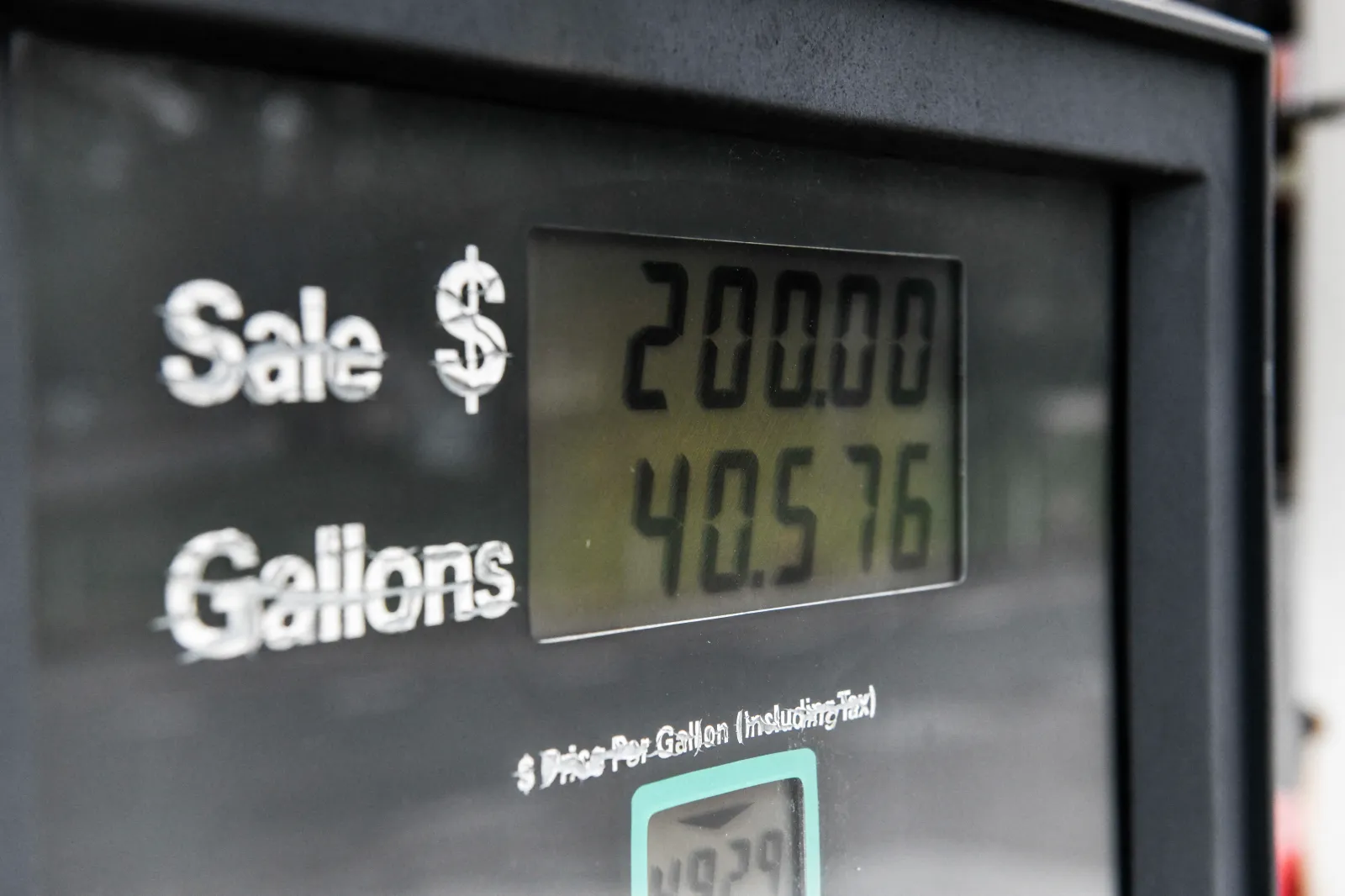
Gasoline in Shungnak, a remote village in Alaska's Northwest Arctic Borough, recently hit $26.82 per gallon, according to the Alaska Beacon.
The village, which rests firmly in a state President Donald Trump won three times during presidential elections, is experiencing the surge as the fuel market faces extreme pressure tied to the U.S.-Israeli war with Iran.
Why It Matters
Although most Americans are paying nowhere near Shungnak's prices, the village’s prices reflect larger supply-chain disruptions and fuel expenses as a result of the ongoing conflict in the Middle East.
Read More on Politics
The cost of living in the U.S.—including the long-running surge in prices at the gas pump—is a core issue for Americans as they're poised to vote in November's midterm elections to determine party leadership of the Senate and House of Representatives. Republicans currently control both chambers.
...
What to Know
Shungnak sits roughly 280 river miles east of Kotzebue on the Kobuk River, and air travel is the only reliable year-round transportation.
Store manager Glenda Douglas told the Alaska Beacon that gasoline had to be flown into the village twice this summer because barges could not reach the area.
"Just yesterday, the price was 13.99, but now it is 26.82," Douglas said.
Related Story
South Korea Is a Dying Canary for Kevin Warsh’s Fed
Shungnak now appears to have the highest gasoline costs in the region, but the village has faced unusually high fuel costs for years. The Alaska Beacon reported that gasoline in Shungnak cost $14.03 per gallon in 2022 and more than $8 per gallon in 2007.
“Low water kept barges from reaching the village, so gasoline had to be FLOWN in. That's how you get a price that went from $14 to $26 almost overnight,” Michael Ryan, finance expert and founder of MichaelRyanMoney.com, told Newsweek.
“The Iran war didn't create that logistical problem, but it made the replacement fuel more expensive. Disruptions through the Strait of Hormuz have kept global oil prices elevated, including fuel being purchased now for future Alaska deliveries.”
How Shungnak Compares With Alaska and the Nation
The current price in Shungnak is dramatically higher than both state and national averages.
Ryan attributed the Trump administration’s decision to enter war with Iran as the driving factor behind skyrocketing oil prices.
“Politically, voters don't buy crude oil. They buy gallons,” Ryan said. “If $4-plus gas and broader affordability pressures persist into November, that's a problem for the party in power. Particularly with Alaska already hosting a competitive Senate race. One village won't decide an election but a continuing cost of living story might.”
On Wednesday, the national average gas price was just over $4 per gallon, according to AAA. State averages ranged from a high of $5.623 to a low of $3.491.
Since the war in Iran was launched, the Strait of Hormuz, a narrow waterway where one-fifth of the world’s oil used to transit, has been effectively closed.
To date, only a few ships have made it through the strait since late February, leading to pressure on oil and gas prices.
What Happens Next
Both gasoline and diesel prices could rise further when communities receive fall fuel deliveries because the newer purchases were made after global energy markets reacted to the Iran conflict.
However, fuel costs specifically in remote Alaska communities will continue to depend heavily on local transportation conditions as well as river access and weather.
“Alaska is experiencing an extreme version of the nation’s gas pricing problem, as many rural communities have always paid substantially more for fuel, and in places like Shungnak the combination of the Iran War and difficult transportation logistics has turned an already expensive essential cost into something closer to a crisis,” Alex Beene, financial literacy instructor at the University of Tennessee at Martin, told Newsweek.
Contact Newsweek editors on this story: Jason Lemon and Edward T. Cummins.
View 0 Comments
Submit Correction
View Editorial & AI Guidelines