...

By Alyce Collins
Senior Reporter
0
Share
Newsweek is a Trust Project member
See more of our trusted coverage when you search.Prefer Newsweek on Googleto see more of our trusted coverage when you search.
Given the recent economic instability and the likelihood of a recession being increased to 60 percent by JP Morgan, people are understandably concerned about what's yet to come.
In order to prepare, many Generation Zers (people born between 1997 and 2012) have turned to millennials to find out how they made it through the 2008 recession. If they were hoping for sage advice and words of wisdom, think again. Many millennials were in college back then, and let's just say, they weren't exactly sober for much of it.
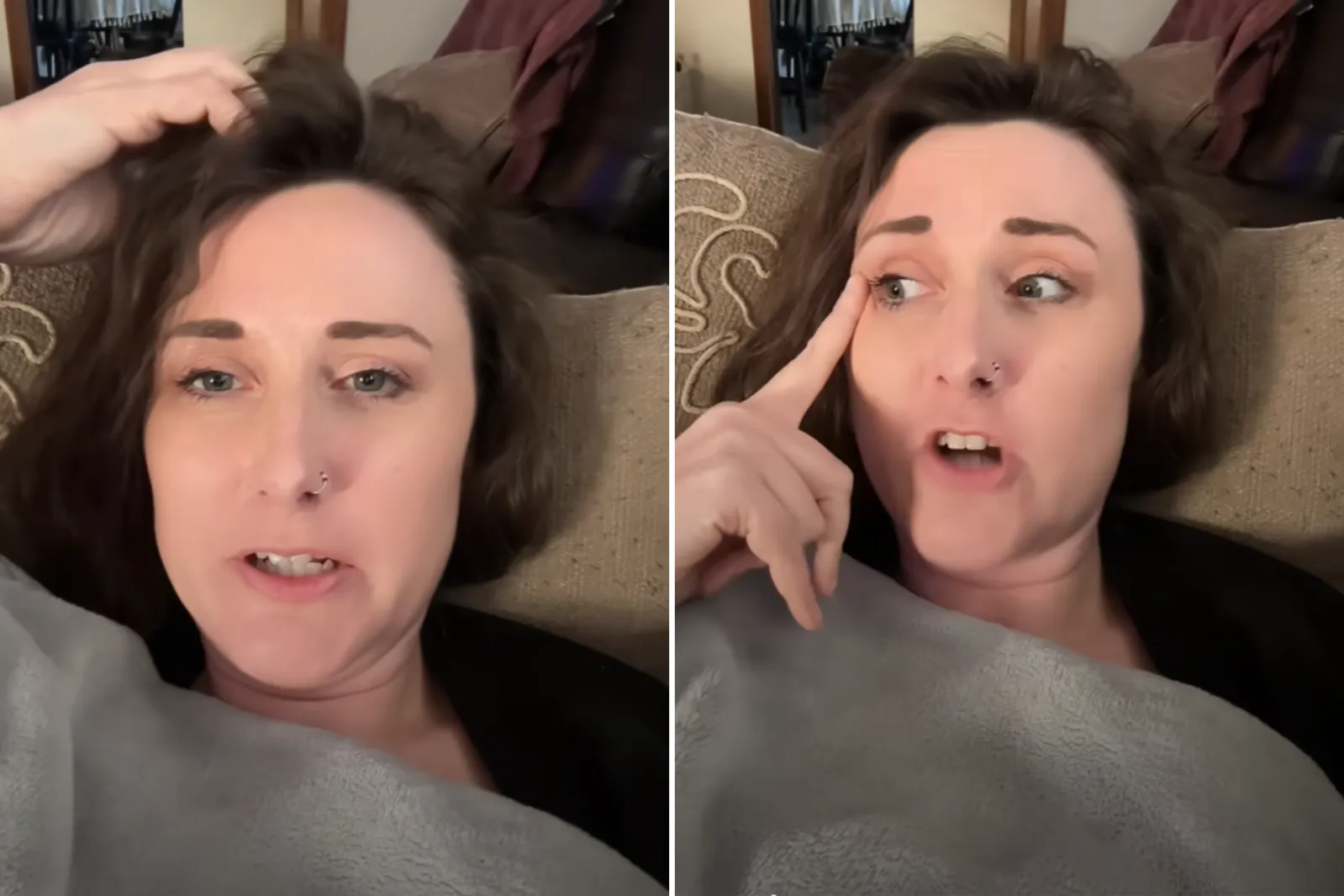
Among those people was Katie Louise, 36, from Iowa, who told Newsweek that being a millennial in 2008 was a "totally unique experience." They were living in an uncertain time and yet, they were happy.
Read More on Personal Finance
If Louise remembers anything from 2008, it's that there was "more hope than there is in 2025."
It's estimated that over 30 million people lost their jobs and household net worth dropped by 18 percent (more than $10 trillion in losses) as a result of the 2008 financial crisis.
...
The subsequent Great Recession is defined by Britannica as the longest and deepest economic downturn since the Great Depression of 1929. Millions of people lost their homes, jobs, savings, and the poverty rate in the U.S. increased to over 15 percent in 2010.
Back then, Louise was "just trying to figure life out" as a student in community college. She was aware of what was going on, but her biggest problems were what business casual outfit to wear to the club, or which party she'd attend.
"I had no idea what I wanted to do or where I was headed, and I could feel the weight of my parents' stress. It was this strange mix of confusion and heavy, unspoken tension in the air," Louise said.
She shared her thoughts about not remembering 2008 on TikTok (@savagekate8), and the clip went viral. In just a matter of days, it has amassed over 277,200 views and 38,600 likes on at the time of writing.
Although Louise was trying to live her best life, she recalls her dad's struggles during that time. He owned a trucking business and had to push harder than ever to stay afloat. He worked six days a week and Louise said she could "see the weight of it all on him."
"He's told me that it was the hardest year of his career," she continued.
Despite that, the recession felt like a distant problem for Louise and many other millennials. They had each other and clung to what joy and optimism they had.
This was echoed by Liz from Los Angeles, California, who joked that "2008 was the equivalent of a Ke$ha album." She also took to social media (@thisvvitch on TikTok) to reveal how millennials survived through the 2008 financial crash.
Liz, who doesn't wish to share her full name, told Newsweek that they were thriving on positive vibes and a sense of community.
"I think what I miss most is how everyone came together to have a good time. There wasn't a feeling of major division like there was now. It was a community effort to pool money to buy beer and make jungle juice, order pizza, and live in the moment. I miss the music, the club, and the ability to live in the moment without phones," Liz said.
Just like Louise, Liz didn't have any responsibilities in 2008, and the recession wasn't on her radar that much.
Not to mention, the drinking culture was different then too as millennials were out partying and drinking heavily throughout the recession. That's a stark contrast to Gen Z, who have shifted away from binge drinking and more towards wellness.
Data from the IWSR showed that 75 percent of Gen Zers in America are happy to moderate their alcohol consumption. Many prefer no or low alcoholic beverages as the IWSR suggests this could signal the future of drinking.
The Cleveland Clinic suggests that many Gen Zers are drinking less—or in some cases, no—alcohol because they're more aware of the effects it has on mental health, they prefer clean living, and they're aware of the dangers.
Shama Hyder, CEO and founder of Zen Media, a PR and marketing agency, believes that Gen Z are "redefining leisure entirely." As they've grown up with social media documenting everything they do, Hyder, 39, believes they're actively making choices that "preserve mental clarity" instead.
The two generations might differ in that aspect, but Hyder understands why Gen Z is seeking to learn from millennials. They developed a certain level of resilience that their younger counterparts could take note from.
She told Newsweek: "The insights from navigating economic upheaval become particularly valuable when facing similar uncertainty today. The emotional journey connects these eras, but the contexts differ dramatically. When I built my company during 2008, AI wasn't transforming industries and remote work wasn't mainstream. Core resilience skills remain valuable, but Gen Z needs a significantly updated playbook."
The Social Media Effect
Another reason why Liz doesn't think 2008 and 2025 are comparable is social media, which she thinks has given rise to constant consumerism and perceived wealth.
Liz told Newsweek: "A lot of people didn't even know there was a recession because everyone was poor and there were no influencers convincing us that we needed to be on vacation every week.
"There is so much social pressure to consume and have money. Things are insanely expensive and wages haven't really changed since 2008. Just embrace your economic status and stop trying to keep up with the influencer lifestyle. It's not realistic."
If Gen Z do want advice, Liz urges them to disconnect from the online world and "let go of the fear of being perceived" a certain way.
As for Louise, she encourages Gen Z to start saving and learning how to budget. If there is another recession, there will be challenges, but it can still be a joyful time.
"Don't let the media or social media fill you with fear. Find joy in the small moments and make the most of whatever situation you're in. The sun does come back out—it always does," Louise told Newsweek.
View 0 Comments
Submit Correction
View Editorial & AI Guidelines