...

By Omar Mohammed
Reporter, Economy & Finance
0
Share
Newsweek is a Trust Project member
See more of our trusted coverage when you search.Prefer Newsweek on Googleto see more of our trusted coverage when you search.
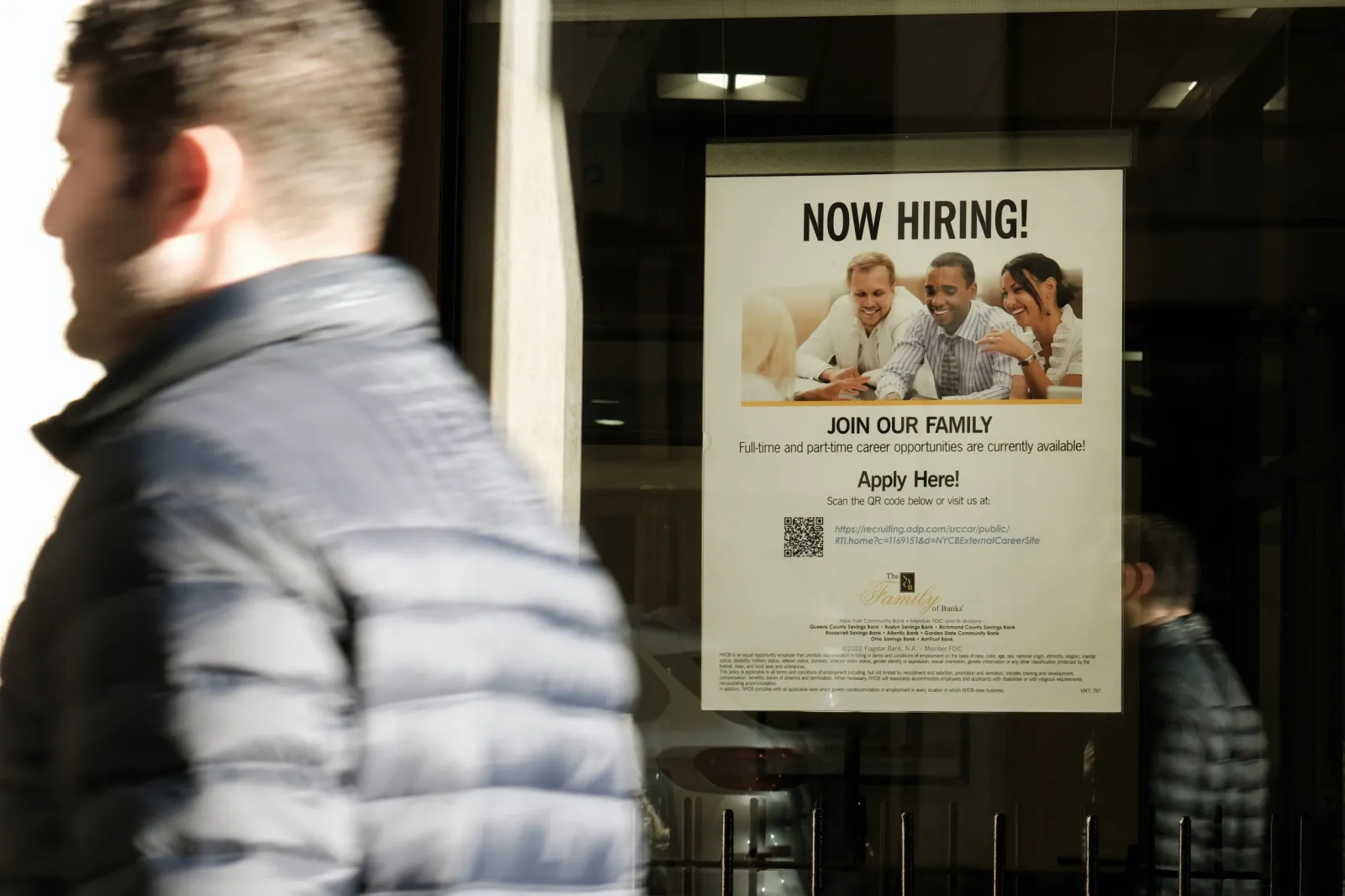
The unemployment rate ticked up in May on the back of a decline in the number of employed workers largely among the group that makes up the Gen Z generation.
The number of those with jobs fell by 408,000 in May compared to the prior month to a little over 161 million, according to data from the U.S. Bureau of Labor Statistics.
Read more: How to Make Money Online
Read More on U.S.
Meanwhile, the number of those considered unemployed rose by 157,000 to 6.65 million helping to push the unemployment rate to 4 percent, the first time that it jumped to that level since 2021. Also, the number of people not in the labor force rose by 433,000, the data showed.
The jump in the unemployment rate reflects a softening of the labor market after the convulsions of the COVID-era when millions of Americans lost their jobs and were hired back in droves when the economy re-opened to pent-up demand from consumers for goods and services.
Gen Z, a group that makes up those born between 1995 and 2012, saw their job prospects diminish.
Part of the decline in those employed in May was due to a high unemployment rate of workers aged between 20 to 24 years old, according to Mahir Rasheed, the senior economist at Swiss Re.
Read more: Best Side Hustles
"While the household survey remained weak [declining 408,000], it was driven entirely by the 20-24 age group, which is facing an unemployment rate of 7.9 percent relative to the national average of 4.0 percent," he told Newsweek.
Within the 16- to 19-year-old demographic, the unemployment rate was also stark. It went up to 12.3 percent in May compared to the prior month's 11.7 percent, BLS data showed.
...
Overall, the economy added a better-than-expected 272,000 jobs in May, higher than April's 175,000, beating what economists expected for the month. Wages also went up for the month, adding to a trend that showed that over the last year, average hourly earnings have accelerated by 4.1 percent.
However, the headline numbers did not capture the full picture of what may be happening in the labor market, according to Michele Evermore, a senior fellow at the Century Foundation and a former Department of Labor official.
She told Newsweek that certain demographic groups are seeing their job prospects getting worse. The unemployment rate for Black workers rose by half a percent to 6.1 percent in May, while that of white employees was unchanged at 3.5 percent. The Hispanic or Latino unemployment rate also rose to 5 percent for the month compared to April's reading of 4.8 percent.
Meanwhile, young people who are now graduating from high school and college are confronted with a tough job market, possibly explaining the disconnect some Americans feel about the country's economy.
"This is where we talk about the 'vibecession' where we see overall good numbers, but the numbers are very bad for certain groups," Evermore told Newsweek. "Things feel bad for young people who are coming into an unprecedented labor market with high inflation for the past few years and it's a challenging labor market for young people."
Read more: What Is Inflation? Current Inflation Rate, Causes and How to Stay Ahead of Rising Costs
The May numbers brought to a halt what seemed to be a positive trend of job prospects for young workers, according to Julia Pollak, ZipRecruiter's chief economist.
"The employment-population ratio for young Americans aged 16 to 24 was steadily rising earlier in the year, and it looked like it was set to be the highest May rate since the Great Recession," she told Newsweek. "Instead, it's a worrying sign at the start of the summer hiring season. It suggests that perhaps high interest rates are causing employers to be very cautious about new hires and about investing in [the] next generation [of] talent."
Young workers looking for jobs are facing a jobs market that is slow to lay off people and reluctant to hire new employees.
"This is very much kind of a stay-in-place economy right now where employers are being slow to fire, but also slow to hire and people with jobs are being slow to switch jobs," Pollak said. "So it's a great economy if you already have a job, you have unprecedented job security. It is a bit trickier if you are new."
Update 6/7/24, 1:30 p.m. ET: This article was updated with a chart and more context.
View 0 Comments
Submit Correction
View Editorial & AI Guidelines