...

By Daniella Gray
Reporter
0
Share
Newsweek is a Trust Project member
See more of our trusted coverage when you search.Prefer Newsweek on Googleto see more of our trusted coverage when you search.
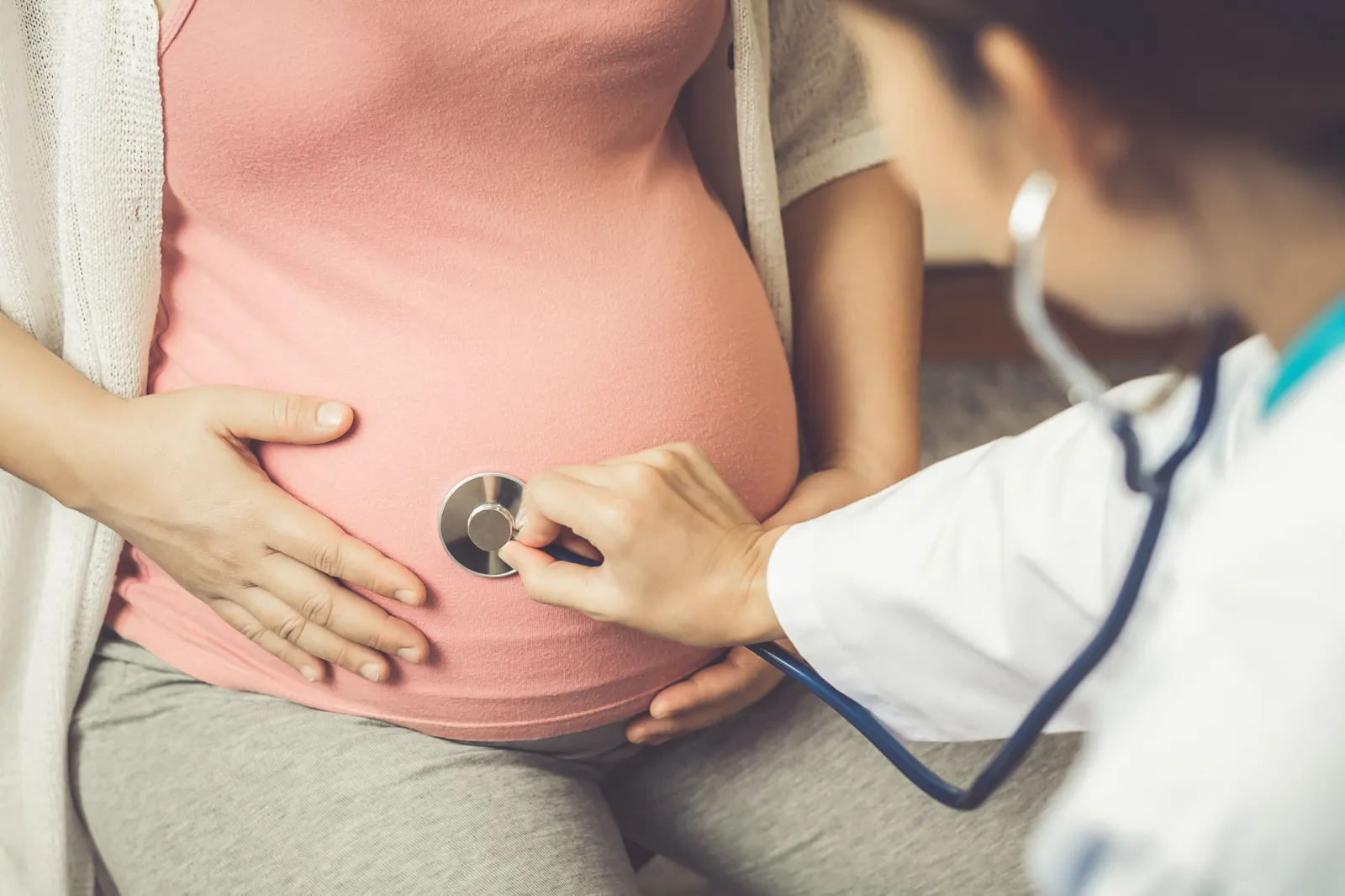
Getting sick during pregnancy may have lasting consequences for a child’s mental health, according to a new study.
The research, published in the journal Molecular Psychiatry, analyzed national health data from Denmark, following more than two million people from childhood into adulthood.
Researchers found that children whose mothers experienced infections while pregnant were significantly more likely to attempt suicide compared with those who were not exposed to infections in the womb.
Read More on Health
The international study was led by scientists from McGill University, the Danish Research Institute for Suicide Prevention, the University of Copenhagen and the Johns Hopkins Bloomberg School of Public Health.
Using Denmark’s comprehensive health registries, the team was able to link maternal medical records with long‑term outcomes in children, allowing them to examine how health events during pregnancy may influence suicide risk years later.
“Most studies on suicide risk have focused on what happens shortly before a crisis, helping clinicians identify who may be at immediate risk,” lead author Dr. Massimiliano Orri told Medical Xpress.
“However, research increasingly shows that vulnerability to suicide can begin much earlier in life. We wanted to look further upstream and understand how early-life factors might shape suicide risk over the long term."
...
The researchers decided to focus on maternal infections because they trigger inflammation—an immune response that previous research has linked to altered brain development.
During pregnancy, the developing fetal brain is especially sensitive to biological changes, which may influence emotional regulation and mental health later in life.
The study examined hospital‑recorded infections caused by bacteria, viruses and other pathogens that occurred before, during and after pregnancy. The strongest association with suicide attempts in offspring was seen when infections occurred during pregnancy itself, particularly in the second and third trimesters.
To rule out the possibility that genetics or shared family environment explained the findings, the researchers also analyzed paternal infections during the same periods.
They found no similar link between infections in fathers and suicide risk in children, pointing to the intrauterine environment as a key factor.
The authors stressed that the findings do not mean maternal infections directly cause suicidal behavior. Many children exposed to infections in utero do not go on to experience mental health crises. Instead, maternal infection appears to be one of many factors that may contribute to long‑term vulnerability.
The researchers emphasized that infections during pregnancy are common and often unavoidable, and the study should not cause alarm among expectant parents.
Rather, they said the findings highlight the importance of prevention, early treatment and long‑term monitoring of mental health risk.
By identifying risk factors that emerge before birth, mental health research and prevention efforts may be better equipped to intervene earlier, long before a crisis occurs.
If you or someone you know is considering suicide, please contact the 988 Suicide and Crisis Lifeline by dialing 988, text "988" to the Crisis Text Line at 741741 or go to 988lifeline.org.
Do you have a tip on a health story that Newsweek should be covering? Do you have a question about pregnancy? Let us know via health@newsweek.com.
Reference
Orri, M., Løkkegaard, E. C. L., Nordentoft, M., & Erlangsen, A. (2026). Association between maternal infections during pregnancy and offspring suicide risk: A national cohort study. Molecular Psychiatry. https://doi.org/10.1038/s41380-025-03430-1
View 0 Comments
Submit Correction
View Editorial & AI Guidelines