...

By Giulia Carbonaro
Senior Reporter
0
Share
Newsweek is a Trust Project member
See more of our trusted coverage when you search.Prefer Newsweek on Googleto see more of our trusted coverage when you search.
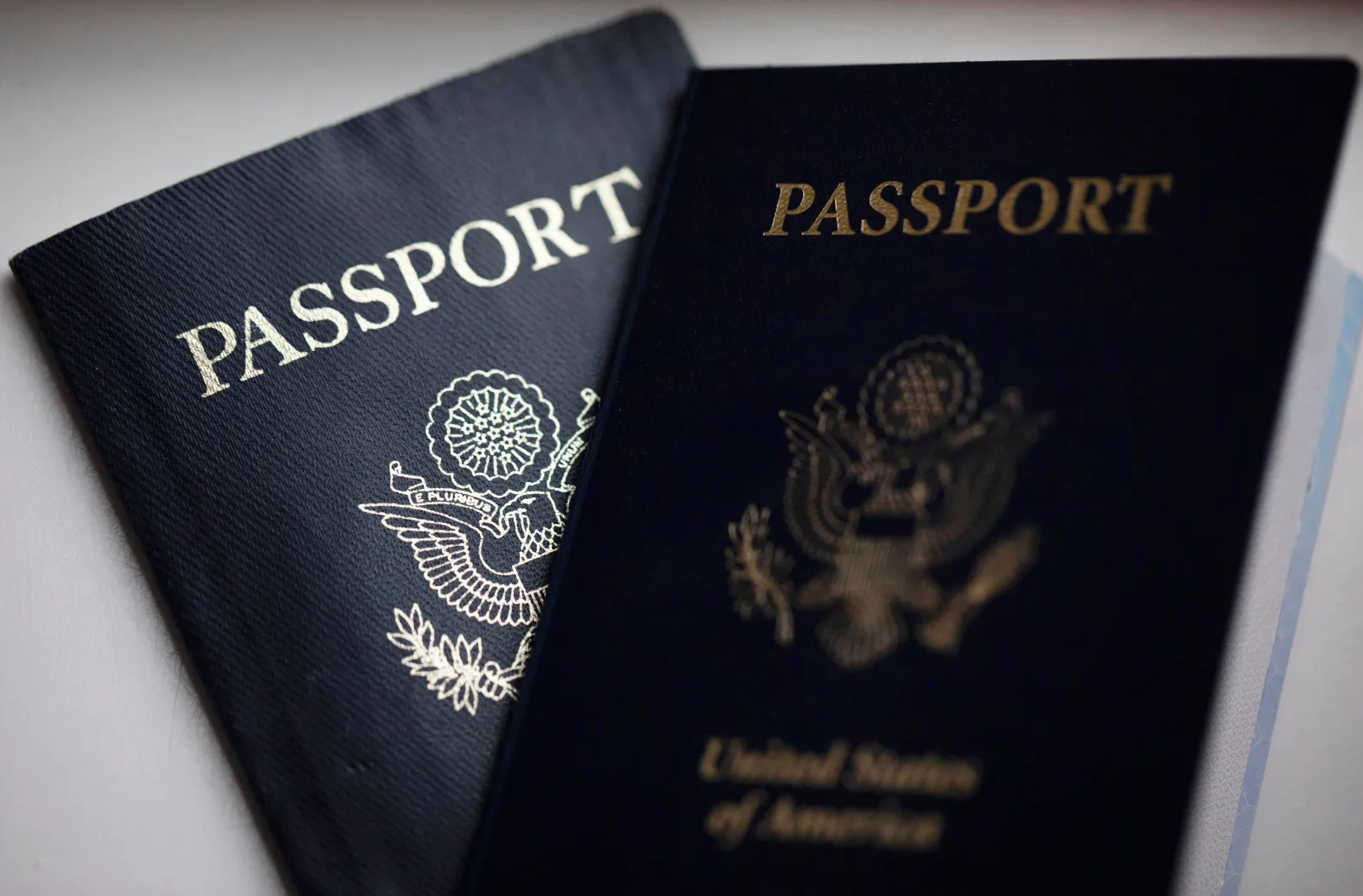
The State Department has just slashed by 80 percent the fee required to formally renounce U.S. citizenship, making it cheaper for the growing number of Americans relinquishing their nationality to do so.
Why It Matters
Reasons vary for giving up citizenship, but many do so for tax reasons as living abroad does not exempt a citizen from paying U.S. taxes. Others do so after settling long-term abroad, and some because their new country of choice, unlike the U.S., does not permit dual nationality. A few renounce for ideological reasons.
Read More on News
For years, the U.S. had one of the highest citizenship renunciation fees in the world. Despite what many would consider a significant financial obstacle, the number of Americans renouncing U.S. citizenship in recent years has grown; in 2025, nearly 5,000 individually did so, up from 2,426 in 2021, according to data by Boundless.
Before 2009, according to the company, renunciations were relatively low, between 200 to 400 every year.
What To Know
After years of legal battles with representatives of U.S. nationals wanting to give up their citizenship, the State Department published a final rule in the Federal Register on Friday cutting the required fee from $2,350 to $450.
It is a drastic reduction that the department had promised already in 2023 but had not yet implemented, and which brings the cost of formally renouncing U.S. citizenship back to what it was before the increases brought in since 2010. Renouncing U.S. citizenship used to cost Americans $450 before the fee jumped to $2,350 in 2015. Before 2010, renouncing U.S. citizenship was free.
Based on data shared by Boundless, it is likely that hundreds of people paid the highest fee since 2023.
...
According to a statement previously shared with Newsweek by a State Department spokesperson, the department "does not publish statistics on the number of U.S. citizens who seek Certificate of Loss of Nationality services each year, but is required to report to the Department of Treasury the names of persons for whom the Department has approved and issued such a certificate."
This information is published by the Treasury Department in the Federal Register.
One of the groups that has fought the hardest to lower the cost of renouncing the U.S. citizenship has been the Paris-based Association of Accidental Americans, which represents individuals living abroad who have U.S. citizenship only because they were born in the U.S.
For these individuals who may have no intention of ever living in the U.S, being American can be a significant financial burden for tax reasons. The U.S. is one of a handful around the world which levies taxes not based on geography but citizenship.
What People Are Saying
Association of Accidental Americans’ president Fabien Lehagre said in a statement on the group’s Facebook page: "As Thomas Jefferson stated in 1779, voluntary renunciation of one’s nationality is a natural right inherent to all men. The U.S. administration is not above its own Constitution. This fee reduction is a concrete first victory—but our fight to have the right to renounce recognized as a fundamental constitutional right continues."
What Happens Next
Americans wanting to give up their U.S. citizenship would be able to pay the lower fee as of April 13, when the policy change comes into effect.
But while the process of renouncing U.S. citizenship was made cheaper by the State Department’s decision, it remains a lengthy, complex bureaucratic process, requiring applicants to do two separate interviews with consular officials, confirming they understand the implications of their action.
View 0 Comments
Submit Correction
View Editorial & AI Guidelines